Happy December! As the holiday season illuminates, and the crisp embrace of winter officially begins, there’s no better time to gather around a comforting bowl of delicious, heartwarming soup. A trip to the grocery store this month offers a unique opportunity to explore the peak of winter’s harvest. Stock your pantry and fridge with an array of vibrant, in-season fruits and vegetables that promise not only exquisite flavor but also exceptional value.
Embracing seasonal eating is a smart strategy for every household. When you choose fresh produce that’s currently in season, you’re not just making a health-conscious decision; you’re also likely to save money. Beyond the economic benefits, seasonal fruits and vegetables are at their absolute peak in terms of taste, texture, and nutritional value. They’ve been harvested at their prime, delivering the freshest and most flavorful experience possible.
Eating healthy doesn’t have to strain your budget. Thoughtful meal planning centered around in-season fresh produce is one of the most effective ways to reduce your grocery expenses. This comprehensive guide will help you navigate December’s seasonal offerings. For each item listed below, we’ll provide expert tips on how to select the best produce, optimal preparation methods, and smart storage solutions to keep them fresh longer. Plus, get inspired with a collection of tasty and healthy recipe ideas perfect for your family.
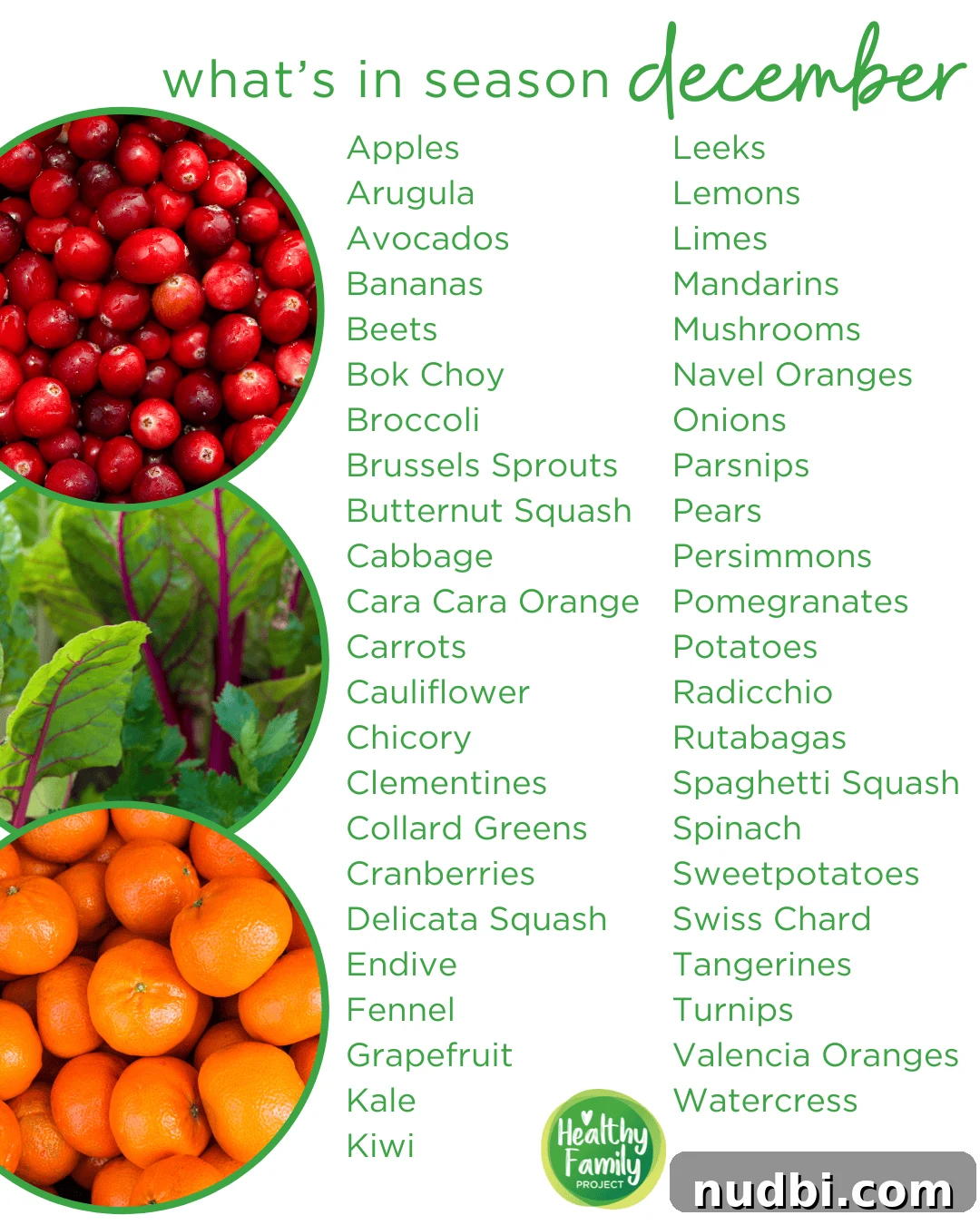
What’s in Season for December: Discover Winter’s Best Fruits & Vegetables

Apples
Apples, the quintessential fall fruit, continue to be a delightful staple well into winter. With an astonishing array of varieties available, from crisp Honeycrisp to tart Granny Smith, this versatile fruit can effortlessly transition from sweet to savory dishes. They’re an excellent source of fiber and antioxidants, making them a fantastic healthy snack on their own, a delightful addition to salads, or the star of a comforting dessert. To select the best apples, look for firm, smooth skin free of bruises. Store them in the crisper drawer of your refrigerator to maintain freshness. Beyond snacking, apples excel in baking pies, crisps, and tarts, or can be simmered into sauces, purees, and ciders. Explore these 40 Apple Recipes for Fall or consult this handy guide to apple varieties to perfectly match the right apple to your culinary creation – whether for slicing, cooking, or baking.

Avocados
Avocado lovers can rejoice as this beloved fruit is wonderfully available year-round, making December an ideal time to incorporate its creamy goodness into your meals. Packed with healthy monounsaturated fats, fiber, and essential vitamins, avocados are a nutritional powerhouse. When selecting avocados, choose those that yield slightly to gentle pressure. If they’re too firm, they’re not ripe; if they’re mushy, they’re overripe. Store unripe avocados on the counter, and once ripe, move them to the refrigerator to extend their freshness. Whether you’re crafting the perfect avocado toast, swapping in for a healthier dessert alternative like decadent Dark Chocolate Avocado Brownies, or whipping up a vibrant bowl of guacamole, avocados add a rich, satisfying texture and flavor to countless dishes throughout the year.

Bananas
Bananas, a perennial favorite and one of the most consumed fruits globally, are conveniently in season year-round. This makes them an effortless choice for a quick, energizing snack or a versatile ingredient in countless recipes. Rich in potassium and natural sugars, bananas provide sustained energy. Choose bananas that are firm and free of bruises, with a slight green tint for those you wish to ripen at home, or bright yellow for immediate consumption. Store them at room temperature until ripe, then in the refrigerator to slow further ripening. Incorporate them into refreshing smoothies, moist muffins, fluffy pancakes, or transform them into delightful “nice” cream. A fun fact: the average American consumes an impressive 28 pounds of bananas annually, a testament to their widespread appeal and ease of use.

Beets
Beets, often misunderstood due to their distinctive earthy taste, truly shine as a December seasonal vegetable. These vibrant root vegetables are brimming with folate, manganese, and fiber. While some might shy away from their natural flavor, roasting beets is a culinary revelation, as it caramelizes their natural sugars, transforming them into a wonderfully sweet and tender delight. Look for firm, smooth beets with their greens still attached, if possible (the greens are also edible and delicious!). Store beets in the refrigerator, with their greens removed, for up to two weeks. Beyond roasting, they are perfect for adding a striking color and nutritional boost to salads, blending into vibrant smoothies, pickling, or incorporating into hearty winter soups.

Bok Choy
Bok Choy, a type of Chinese cabbage, offers a refreshing, mild flavor and crisp texture, making it an excellent addition to your December produce list. While generally available year-round, bok choy is particularly abundant and at its peak during the colder months. It’s rich in vitamins A, C, and K, and adds a healthy crunch to any dish. When selecting bok choy, choose heads with firm, crisp stalks and vibrant green leaves. Store it loosely in a plastic bag in the refrigerator for up to a week. Its versatility shines whether eaten raw in salads or cooked. Try it quickly stir-fried with garlic, steamed as a simple side, added to nourishing soups, or as a key ingredient in this delicious homemade Instant Pot Chicken Ramen!

Broccoli
Broccoli, a powerhouse of nutrition, is readily available and at its best in December, offering a wealth of vitamins (C and K), fiber, and other essential nutrients your body craves, especially during winter. Look for broccoli with tight, dark green florets and firm stalks. Avoid any yellowing or soft spots. Store it unwashed in an open plastic bag in the refrigerator’s crisper drawer. This versatile veggie can be incorporated into almost any meal. Finely chop it for a raw salad or create a refreshing broccoli slaw. Steam, blanch, or roast it for an easy and delicious side dish. It also shines when tossed into hearty pasta salads, vibrant stir-fries, or even baked into savory cornbread muffins, making it a truly indispensable vegetable for healthy family meals.

Brussels Sprouts
Brussels sprouts have experienced a significant culinary renaissance in recent years, evolving from a dreaded childhood vegetable to a much-loved holiday staple. December is their prime season, when they offer their best flavor and texture. These mini cabbages are rich in vitamins K and C, and a great source of fiber. When selecting, choose firm, compact, bright green sprouts. Store them in the refrigerator, unwashed, in a plastic bag for up to a week. My absolute favorite way to prepare them is by simply halving them, tossing with olive oil, a generous sprinkle of salt and pepper, and then roasting them in the oven. This method beautifully caramelizes their outer leaves and brings out their natural sweetness, transforming them into a crispy, flavorful dish. If you weren’t a fan of “stinky” Brussels sprouts as a kid, I urge you to try them roasted – it’s a game-changer!

Cabbage
Cabbage is an unsung hero of winter produce, abundant and incredibly nutritious in December. This cruciferous vegetable is packed with Vitamins K, C, and B6, along with a host of other beneficial nutrients and antioxidants. It’s also an excellent source of fiber. When choosing cabbage, look for firm, heavy heads with crisp, vibrant leaves and a healthy luster. Avoid any wilting or discoloration. Store whole heads of cabbage unwashed in the refrigerator’s crisper drawer, where they can last for several weeks. Cabbage is remarkably versatile: shred it for a refreshing and delicious coleslaw, sauté it with onions and garlic, or roast it to add a delightful earthy sweetness to dishes. It can also be incorporated into this colorful Rainbow Buddha Bowl for a fun, nutritious dinner, or fermented into sauerkraut for its probiotic benefits.

Carrots
Carrots are far more than just Bugs Bunny’s favorite snack; they are a fantastic, kid-friendly veggie that is available year-round and particularly sweet in the colder months. Rich in beta-carotene (which converts to Vitamin A, essential for vision and immune function) and fiber, carrots are a nutritional staple. Select firm, smooth carrots with a bright orange color. Store them in the refrigerator crisper, preferably in a plastic bag, to retain moisture. They can be simply served raw with a side of ranch or hummus for dipping, or roasted to bring out their natural sweetness. Carrots are also delicious steamed, or shredded and cleverly added to a variety of dishes: sweet muffins, hearty soups, creamy mac n cheese, savory meatballs, and many more, subtly boosting their nutritional content.

Cauliflower
Talk about a comeback veggie! Cauliflower has undeniably taken the culinary world by storm, solidifying its place as a healthy and versatile option in December. This cruciferous vegetable is a fantastic source of Vitamin C, Vitamin K, and fiber, making it a great addition to your winter diet. Choose cauliflower heads that are firm, compact, and creamy white, with no brown spots. Store it unwashed in a plastic bag in the refrigerator for up to a week. Its incredible versatility means it’s popping up in everything from low-carb pizza crusts to healthy fried rice alternatives. This adaptable veggie can be pureed to make creamy pesto, riced and added to mashed potatoes for a lighter dish, transformed into savory waffles, or even used to replace rice in hearty classic casseroles, proving its indispensable role in modern healthy cooking.

Celery
Celery, with its refreshing crunch and subtle flavor, is a year-round availability favorite that remains a great choice for your December meals. It’s an excellent source of hydration, fiber, and vitamins K and C. While perhaps best known by kids as the classic base for Ants on a Log, celery’s culinary applications extend far beyond a simple snack. When selecting, look for firm, crisp stalks that snap easily, with fresh green leaves. Store it wrapped tightly in foil in the refrigerator for several weeks to maintain its crispness. Chop it finely and add to a creamy potato salad, use it as an aromatic base for rich winter soups and stews, or incorporate it for added crunch in vibrant salads. Celery’s clean flavor and satisfying texture make it a versatile ingredient for enhancing a wide range of dishes.

Citrus
December marks the prime season for a delightful bounty of fresh citrus fruits, bringing a burst of sunshine and essential nutrients to your winter table. Varieties like vibrant grapefruit, juicy oranges, sweet tangerines, and easy-to-peel mandarins are all at their peak. These citrus gems are renowned as an excellent source of Vitamin C, which is crucial for supporting your immune system and can truly help fend off those pesky winter colds. When selecting citrus, look for fruits that feel heavy for their size and have smooth, firm skin. Store them at room temperature for a few days or in the refrigerator for up to several weeks. Enjoy them as a refreshing snack, squeeze their juice for marinades and dressings, or get creative with one of these 16 Kid-Friendly Citrus Recipes, which explore their use in everything from desserts to savory dishes.

Cranberries
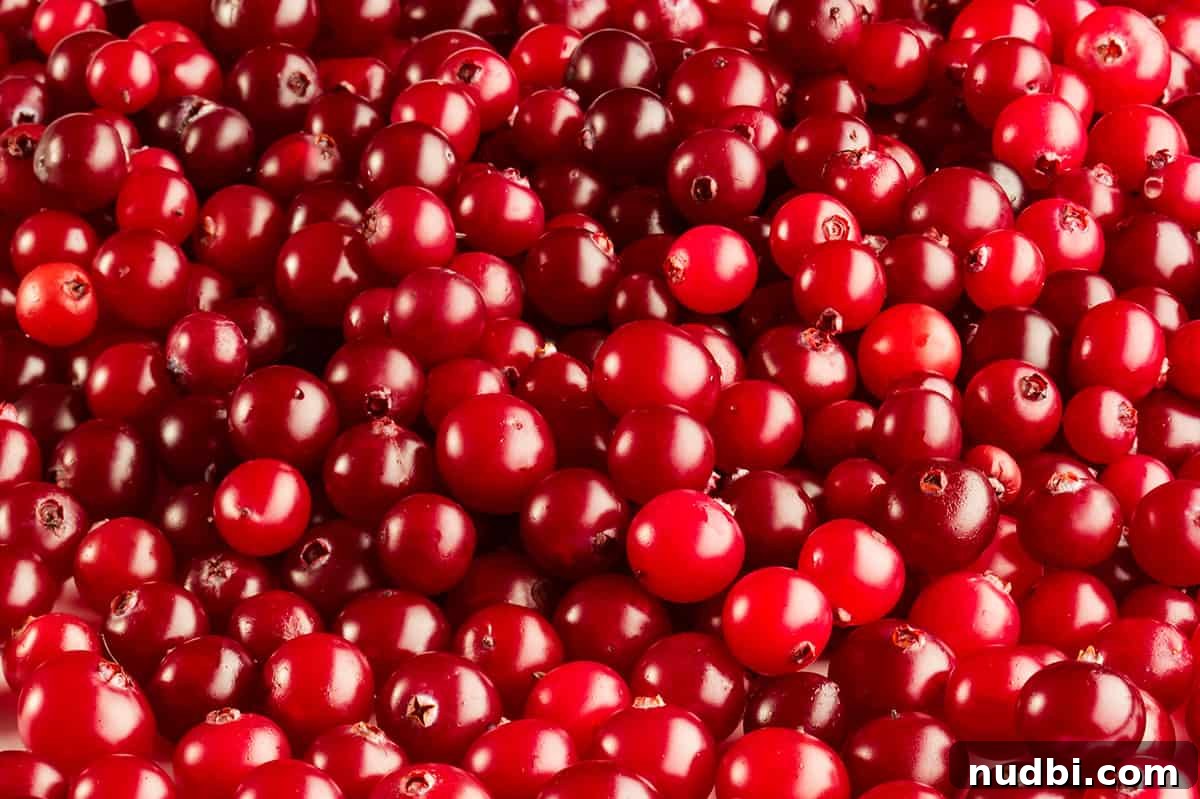
Cranberries are an undisputed holiday staple, gracing tables throughout December with their vibrant color and tart flavor. These small, ruby-red berries are packed with antioxidants and bring a delightful brightness to any dish, balancing richness with their unique zest. Ripe cranberries should be slightly opaque and boast a rich scarlet or fire-engine red color. Look for firm cranberries that give slightly when gently squeezed, and avoid any soft or shriveled berries. Store fresh cranberries in an airtight container in the refrigerator for up to a month, or freeze them for longer storage. You can reduce cranberries to create a delicious, tangy topping for chicken or turkey, bake them into comforting desserts like this festive Apple & Cranberry Crisp, or prepare a classic, homemade cranberry sauce to accompany your holiday feast.

Greens
Fresh greens are a foundational element of healthy eating, and December offers a fantastic selection of nutrient-dense options at their peak. Varieties like robust kale, delicate spinach, crisp lettuce, and many other leafy vegetables are the basis for countless delicious and healthy recipes. They are packed with vitamins, minerals, and antioxidants essential for well-being. When selecting greens, look for vibrant, crisp leaves without yellowing or wilting. Store them unwashed in a loose plastic bag in the refrigerator to maintain freshness. Greens are perfect for building bountiful tasty salads, or for effortlessly boosting nutrition in creamy smoothies, comforting winter soups, hearty casseroles, and even flavorful pasta dishes, ensuring you get your daily dose of greens with ease.

Kiwi
This small, fuzzy brown fruit, famously named after New Zealand’s national bird, the kiwi, is a fantastic seasonal choice for December. Beneath its unassuming exterior lies a vibrant interior – either bright green or golden yellow – that adds a stunning pop of color and a sweet-tart flavor to any dish. Kiwi is exceptionally rich in Vitamin C, even more so than oranges, and also provides a good amount of Vitamin K and fiber. When selecting kiwis, choose those that are firm but yield slightly to gentle pressure. Store unripe kiwis at room temperature until softened, then transfer to the refrigerator. Slice them to make delightful Fruity Pita Sandwiches, or toss them into a colorful fruit salad for family gatherings. They also make a refreshing addition to smoothies or can be enjoyed simply scooped out with a spoon.

Leeks
Leeks, a refined member of the allium family—related to onions, garlic, shallots, and chives—are a fantastic seasonal vegetable for December. They offer a delicate, mild onion-like taste that sweetens beautifully when cooked. Leeks are a good source of vitamins K and A, as well as fiber. When choosing leeks, look for firm, white and light green stalks with fresh, dark green tops. Avoid any yellowing or wilting. Due to their layered structure, leeks tend to trap dirt and sand, so it’s essential to thoroughly rinse them, especially between the leaves, and pat dry with a paper towel before consuming. Their versatility in the kitchen is impressive: you can roast them alongside other root vegetables to bring out their sweetness, add them raw to salads for a subtle bite, use them as an elegant garnish for creamy soups, or incorporate them into hearty casseroles, quiches, and gratins, adding depth and flavor to a wide array of dishes.

Lemons & Limes
Both lemons and limes, essential culinary companions, are conveniently in season year-round, making them perfect for brightening up your December cooking. These citrus powerhouses are brimming with Vitamin C and are indispensable for adding a vibrant, tangy flavor to an endless variety of dishes. When selecting, choose firm, heavy fruits with glossy skin. Store them at room temperature for a few days, or in the refrigerator for up to a month. Their fresh juice can be used to create zesty, homemade salad dressings, or to perfectly season chicken, delicate fish, or roasted vegetables. Combine their unique flavors to add a delightful zing to savory snacks like these creative Baked Avocado Fries. Don’t forget their zest, which holds concentrated oils that can elevate baked goods, marinades, and even cocktails.

Mango
While often associated with warmer climates, mangos are available in December, offering a sweet, tropical escape during the winter months. These luscious fruits are packed with vitamins A and C, as well as fiber. When selecting fresh mangos, look for those that give slightly when gently squeezed, indicating they are ripe and ready to eat. If they are firm, store unripe mangos on the counter until they soften to your desired ripeness. Once ripe, store them in the refrigerator for up to five days. Their sweet flesh is incredibly versatile: blend them into refreshing smoothie popsicles, dice and add to a flavorful tangy stir-fry, or enjoy them fresh in a vibrant salad with honey-lime vinaigrette. Mangos add a unique sweetness and exotic flair to both sweet and savory preparations.

Mushrooms
Mushrooms are available year-round, making them a consistent and savory choice for your December meals. Did you know that mushrooms are unique among fresh produce as the only natural food source of Vitamin D when exposed to UV light? They also provide B vitamins and essential minerals. When selecting mushrooms, look for firm, smooth caps and avoid any slimy or shriveled specimens. Store them in a paper bag in the refrigerator, as plastic bags can trap moisture and speed spoilage. Mushrooms are incredibly versatile, offering an earthy umami flavor that can elevate many dishes. You can finely chop and blend them into ground meat for healthier tacos or hearty burgers, use larger caps as a flavorful base for creative dishes like these Pizza Stuffed Mushrooms, or simply sauté and add them to easy weeknight dinners such as this quick Asian Chicken Stir Fry. Their adaptability makes them a valuable ingredient for adding both flavor and nutrition.

Parsnips
Parsnips are a classic root vegetable that truly come into their own during the cold December months. Closely related to carrots, they bear a striking resemblance but are distinguished by their pale, creamy white color and a unique sweet, earthy, and slightly spicy flavor that intensifies after a good frost. Parsnips are a good source of fiber, Vitamin C, and folate. When selecting parsnips, look for firm, smooth roots that are free of soft spots or discoloration. Smaller parsnips tend to be more tender and flavorful. Store them unwashed in a plastic bag in the refrigerator for up to two weeks. While delicious in stews and soups, we particularly love to roast parsnips to caramelize their natural sugars, making them wonderfully tender and sweet. They can also be pureed to create a delectable, subtly sweet alternative to mashed potatoes, or even added to gratins and casseroles for a hearty winter side dish.

Pears
Pears, a delightful fall staple, continue their abundant season into December, offering a juicy, sweet, and fragrant fruit perfect for winter. With over 3,000 varieties cultivated worldwide, there’s a pear for every preference, from crisp Anjou to soft Bartlett. Pears are an excellent source of fiber and Vitamin C. When selecting pears at the grocery store, remember the “Check the Neck” rule: gently apply pressure to the neck of the pear with your thumb. If it yields slightly, it’s perfectly ripe and ready to enjoy! Avoid pears that are too hard or have soft spots. Store unripe pears at room temperature, and once ripe, transfer them to the refrigerator to prolong their freshness. Pears are wonderfully versatile, great for snacking, elegant desserts, refreshing smoothies, or sliced into salads with cheese and nuts, making them a delicious and healthy addition to your winter fruit bowl.

Pomegranates
Pomegranates, with their jewel-like arils, are a true winter delight, shining brightly in season during December. These vibrant fruits are not only visually stunning but also incredibly rich in antioxidants and Vitamin C. While they may appear daunting to seed at first glance, it’s actually a fairly easy process (you can watch a quick tutorial here). When selecting pomegranates, choose fruits that feel heavy for their size, indicating they are full of juice. The skin should be taut and shiny, free of soft spots. Store whole pomegranates at room temperature for a few days, or in the refrigerator for several weeks. Once seeded, the glistening arils are perfect for a healthy snack, adding a burst of sweet-tart flavor and crunch to fresh salads, or dressing up festive dishes like avocado toast. They also make a beautiful garnish for desserts and cocktails, embodying the festive spirit of the season.

Potatoes
Potatoes, a foundational staple in cuisines worldwide, are available year-round and remain a hearty, versatile choice for December meals. With more than 600 types of potatoes sold in the US, ranging from starchy Russets to creamy Yukon Golds and waxy red potatoes, the culinary possibilities are truly endless. While potatoes sometimes get an unfair reputation, it’s important to remember that skin-on potatoes are a nutritional powerhouse, packed with Vitamin C, potassium, and Vitamin B6, along with a good dose of fiber. When selecting, choose firm, smooth potatoes free of sprouts, green spots, or bruises. Store them in a cool, dark, well-ventilated place, away from onions, to prevent sprouting. Whether you’re searching for healthy ways to top a baked potato, exploring different seasoning methods for roasted potatoes, or simply seeking delicious and healthy potato recipes for any occasion, our extensive collection has got you covered, proving that this humble root vegetable is anything but boring.

Rutabagas
You may not be overly familiar with this hearty root vegetable, but don’t let that deter you from trying rutabagas this December! They are a cross between a turnip and a cabbage, boasting a slightly sweet, earthy, and nutty flavor that mellows beautifully with cooking. Rutabagas are an excellent source of Vitamin C, fiber, and potassium. When selecting, look for firm, heavy roots with smooth skin. Avoid any that are soft or have blemishes. Store them unwashed in a cool, dark place or in the refrigerator for several weeks. Like most root vegetables, they are absolutely delicious when roasted; roasting brings out their natural sweetness and softens their texture, making them incredibly palatable. They can also be mashed, added to soups and stews for extra depth, or even thinly sliced for gratins. Check out this post to discover how easy they are to roast and grab a few yummy recipe ideas to introduce this underrated winter vegetable to your family meals.

Strawberries
For those in warmer climates like Florida, strawberry season is in full, delicious swing during December, bringing a burst of sweet, juicy freshness to winter plates. These beloved berries are packed with Vitamin C, antioxidants, and fiber, making them a fantastic healthy choice. When selecting strawberries, look for plump, brightly colored berries with fresh green caps. Avoid any that are bruised, moldy, or pale. Store them unwashed in a single layer in the refrigerator, preferably in a breathable container, and wash just before use. This favorite fruit offers endless culinary possibilities beyond just snacking. Blend them into nutritious muffins, create the perfect smoothie, add them to a vibrant and delicious fruit salsa, or elegantly top off your fluffy pancakes. Their sweet flavor and beautiful color make them a joy to incorporate into any meal or dessert.

Sweet Onions
Sweet onions, a kitchen staple for many, are available year-round and are essential for adding depth and flavor to countless December meals. While I still haven’t mastered cutting onions without shedding a tear, we simply cannot deny their crucial role in enhancing the taste of everything we cook. Sweet onions, known for their milder flavor compared to their pungent counterparts, are fantastic for caramelizing, eating raw in salads, or using as a base. Choose firm, dry onions with no soft spots or sprouts. Store them in a cool, dark, well-ventilated place, away from potatoes. They are indispensable for building rich, comforting winter soups and hearty chili. They also blend seamlessly into savory dishes like flavorful meatballs and make a surprisingly delicious addition to morning favorites such as make-ahead breakfast burritos. Their fundamental role in creating delicious bases and aromatic foundations for nearly any cuisine makes them a truly invaluable ingredient.

Sweet Potatoes
Sweet potatoes are a true superstar of the produce aisle, available year-round, but truly hitting their peak season and invading your Pinterest feed during the cooler fall and winter months. This December, embrace these vibrant, nutritious root vegetables. They are an exceptional source of Vitamin A (in the form of beta-carotene), Vitamin C, manganese, and dietary fiber, making them an incredible choice for boosting overall health. When selecting sweet potatoes, look for firm, unblemished roots. Store them in a cool, dark, well-ventilated place, away from other produce that might cause them to sprout. Their natural sweetness and creamy texture make them incredibly versatile. Mash them for a tasty filling in a vegetarian quesadilla, bake them into crispy, healthy chips, roast them as part of a convenient sheet pan dinner, or even add them to a surprising yet delicious breakfast parfait (yes, really!). Sweet potatoes offer endless possibilities for both sweet and savory dishes, proving their place as a winter comfort food hero.

Turnips
Turnips are a robust member of the cabbage family, and December is an excellent time to enjoy them as part of your winter seasonal produce. These round, root vegetables are high in Vitamins B and C, and a good source of fiber. They possess a slightly peppery and earthy taste, which can be a wonderful complement to sweeter vegetables or rich meat dishes. When choosing turnips, look for firm, smooth roots that feel heavy for their size. Smaller turnips tend to be milder and more tender. If the greens are still attached, they should be vibrant and fresh (turnip greens are also edible and nutritious!). Store turnips with their greens removed in a plastic bag in the refrigerator for up to two weeks. Their slightly bitter notes pair exceptionally well with sweet potatoes, caramelized onions, or a savory glazed pork. You can roast them to bring out a subtle sweetness, mash them like potatoes, or add them to comforting stews and curries. Check out a few tasty recipe ideas here to explore the diverse culinary potential of turnips.

Winter Squash
Winter squash varieties are truly the stars of December’s seasonal produce, offering a comforting and nutritious bounty that defines cold-weather cooking. These hard-shelled beauties, including sweet acorn squash, versatile butternut squash, and spaghetti-like spaghetti squash, are all in their peak season. They are excellent sources of Vitamins A and C, fiber, and various minerals. When selecting winter squash, look for hard, unblemished skins and choose those that feel heavy for their size. Store them in a cool, dry place for several weeks or even months. We absolutely love to roast winter squashes to unlock and intensify their natural sweetness and create a tender, flavorful side dish. You can also chop and sauté them for a delicious and hearty one-pot meal, puree them into creamy soups, or use spaghetti squash as a fantastic, low-carb pasta substitute, making it easy to enjoy healthy, comforting meals throughout the winter.