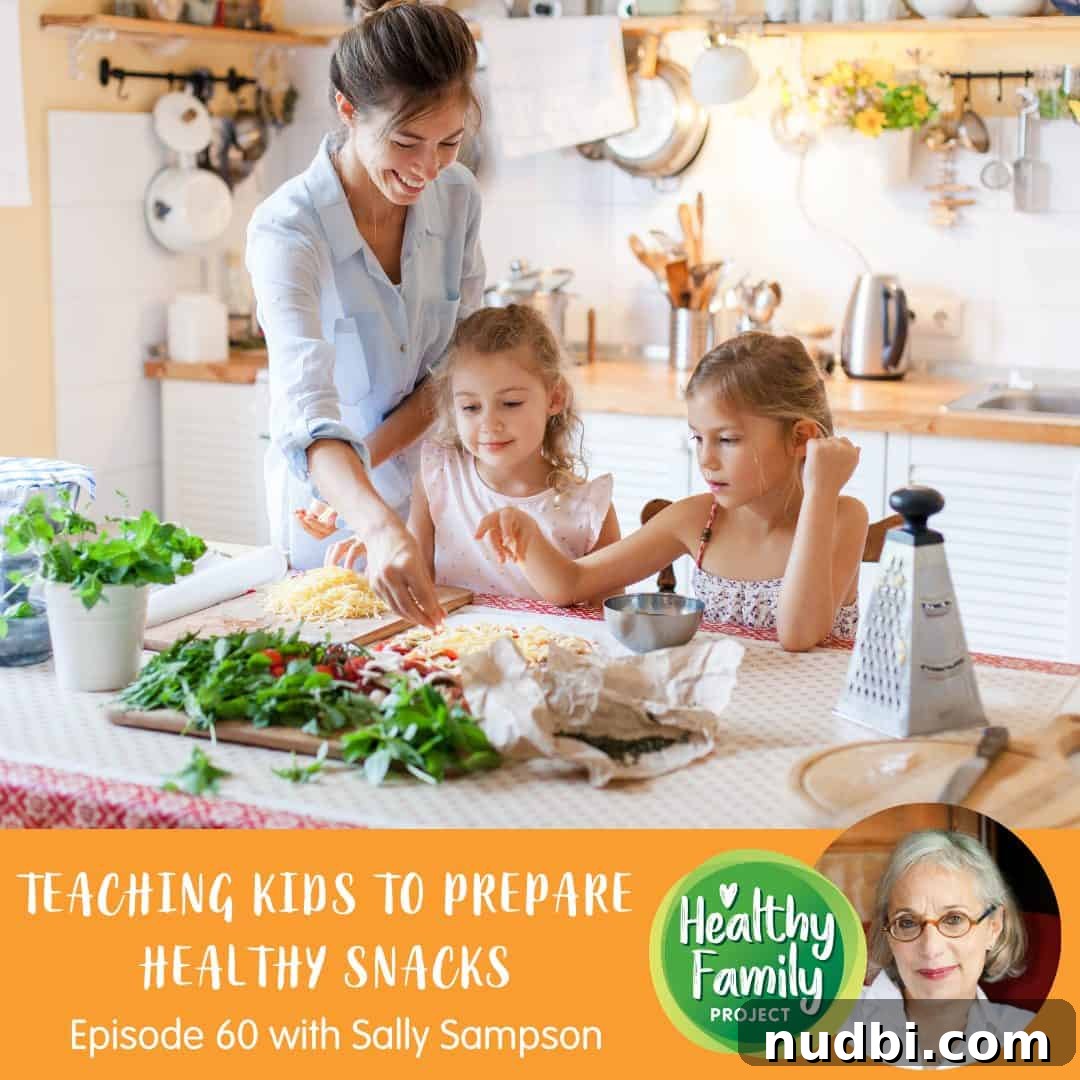
In this enriching episode of the Healthy Family Project podcast, we delve into the exciting world of family cooking and healthy eating with special guest Sally Sampson, the visionary Founder of ChopChop Magazine. This conversation, hosted by Amanda, offers invaluable insights and practical tips for empowering children to become confident and creative in the kitchen, particularly when it comes to preparing their own nutritious snacks. From fostering independence to navigating the challenges of picky eaters and even tackling post-cooking clean-up, Sally shares her wealth of experience and the core philosophy behind ChopChop Family, a movement dedicated to inspiring kids to cook and enjoy real food with their loved ones.
ChopChop Magazine stands out as more than just a fun cooking publication for families; it’s a highly respected educational resource. Its significant impact was recognized in 2013 when it was named Publication of the Year by the prestigious James Beard Foundation. Furthermore, its commitment to promoting children’s health is underscored by its endorsement from the esteemed American Academy of Pediatrics. The overarching mission of ChopChop Family is clear: to inspire and educate children on how to cook and eat real, wholesome food alongside their families. This shared culinary journey, ChopChop Family passionately believes, is a fundamental step in addressing and ultimately resolving the pressing issues of childhood obesity and hunger epidemics.
Meet Sally Sampson: The Visionary Behind ChopChop Magazine
Sally Sampson is a highly accomplished author and culinary expert, with an impressive portfolio that includes authoring or co-authoring 23 cookbooks. Among her notable works are ChopChop: The Kids Guide to Cooking Real Food with Your Family, The Olives Table (co-authored with Chef Todd English), The Fifty Dollar Dinner Party, and Souped Up! Her expertise extends beyond cookbooks; she is also a contributor to the New York Times’ Motherlode Blog with her popular Picky Eater Project. Her writings and culinary perspectives have graced the pages of esteemed publications such as Bon Appetit, Food and Wine, The Boston Globe, and Cooks Illustrated. Prior to her impactful work with ChopChop, Sally owned “From the Night Kitchen,” a beloved café situated in Brookline Village, Massachusetts. Her extensive experience and passion for food and family health shine through in every aspect of her work, making her a true leader in the movement to get more kids cooking.
Sally’s Journey to Founding ChopChop: A Personal Inspiration
Sally’s inspiration for ChopChop Magazine stems from deeply personal experiences. Her culinary journey began at the age of 14 when she decided to become a vegetarian. This decision, uncommon at the time, prompted her working mother to tell her, “I guess you’d better learn how to cook.” This pivotal moment sparked Sally’s lifelong passion for cooking, where she discovered the joy and empowerment of preparing her own meals. Later, as a mother, her child’s chronic illness, which required a low-fat diet, further deepened her understanding of the profound connection between food and health. Recognizing the growing obesity epidemic, Sally saw an opportunity to leverage her skills as a cookbook writer to make a meaningful difference. The initial concept for ChopChop was revolutionary: to have pediatricians prescribe cooking during well-child visits, framing cooking as a fun and beneficial activity. While this pediatrician-focused approach quickly expanded due to overwhelming public demand from schools, after-school programs, SNAP offices, and WIC offices, the core vision remained: to integrate cooking education wherever children could be reached. Sally credits both her mother and daughter as the foundational inspirations for the magazine’s impactful mission, transforming her personal experiences into a powerful tool for public health and family engagement.
Empowering Kids to Master Their Own Snack Creations
With more families spending time at home, the concept of independent snacking has become increasingly relevant. Sally and Amanda discuss effective strategies for fostering this independence, emphasizing that the entire ChopChop philosophy revolves around engaging children in the kitchen. A key starting point is to proactively fill the refrigerator with only the healthy foods parents want their children to eat. This simple yet powerful strategy eliminates less desirable options, naturally guiding kids toward nutritious choices. “If you don’t want them to eat it, don’t have it in the house,” Sally advises, highlighting the importance of setting up an environment that supports healthy habits.
The Art of Prep-Ahead and Grazing Boards
Both Sally and Amanda advocate for the immense benefits of preparing ingredients in advance. Chopping vegetables and fruits at the beginning of the week can significantly reduce friction during busy moments, making healthy snacks readily accessible. Amanda shares her success with “grazing boards” where prepped fruits, veggies, and other healthy components are available for her daughters to assemble their own snacks throughout the day. This method not only encourages healthy eating but also allows children to exercise creativity and control over their food choices. Sally corroborates this, noting that even for adults, having pre-cut carrots or pineapple makes healthy eating a far more likely outcome than if the ingredients require significant prep on the spot. This ease of access transforms the act of snacking from a chore into an effortless, enjoyable experience for all family members.
Involving Kids in Culinary Choices: From Recipes to Groceries
Empowerment in the kitchen extends beyond just preparation; it includes involving children in the decision-making process. Amanda shares how she uses Pinterest or the Healthy Family Project website to let her daughters select new healthy snack recipes. This not only engages them but also serves as an effective way to build the weekly grocery list. Sally builds on this, suggesting that parents can involve kids at the grocery store itself, encouraging them to pick out unfamiliar vegetables or fruits. This hands-on approach sparks curiosity and an experimental mindset, making children more invested in trying new foods they’ve personally chosen. This sense of control and participation fosters a positive relationship with food, moving away from mandates and towards discovery.
Navigating Picky Eating and Fostering Adventurous Palates
Addressing the common challenge of picky eating, Sally Sampson offers a refreshing perspective. Her “Picky Eater Project” demonstrated how combining exciting dips with raw vegetables could encourage even anti-vegetable children to eat them without realizing. The novelty and appeal of the dips overshadowed the perception of the vegetables. This approach highlights the power of pairing familiar and beloved elements with new or less preferred foods to create a positive association.
The Power of Asking: “What Do You Think?”
Amanda recounts a breakthrough with her younger, more selective daughter, illustrating the profound impact of empowering children’s opinions. Instead of instructing her daughter to eat butternut squash ravioli, Amanda framed it as, “I can’t wait to hear what you think.” This simple shift from command to curiosity instantly engaged the child, who felt valued as a food critic. The daughter not only tried the dish but expressed a desire to eat it again, demonstrating how giving children control over their input can lead to surprising willingness to try new things. This principle extends beyond specific foods; it’s about acknowledging children’s agency in a world where many aspects are beyond their control.
Debunking Age-Related Food Preferences
A central tenet of ChopChop’s philosophy is that food preferences should not be dictated by age. Sally challenges the notion that “kids don’t like this” or “kids don’t like that,” advocating for exposing children to as many diverse foods as possible from a young age. She shares an anecdote from ChopChop’s “Eatable Alphabet” project, designed for children aged two and up. When developing the “F is for Fish” card, they conducted classes where two-to-six-year-olds enthusiastically ate anchovies, sardines, and tuna without any preconceived notions of “fishy” or “stinky.” The parents, however, were often surprised, highlighting how adult biases can unconsciously influence children’s palates. This reinforces the idea that children are often more open to new flavors than adults assume, provided they are introduced without judgment or expectation.
Parental Modeling and Flexibility in Eating
Both Amanda and Sally emphasize the critical role of parental modeling. If a parent is a picky eater or expresses dislike for certain foods, children are likely to emulate that behavior. Instead, parents should offer a variety of foods and eat what they expect their children to eat. Sally also stresses the importance of flexibility and avoiding rigid rules. She believes that children, like adults, are entitled to dislike certain foods without being labeled “picky.” The parent’s role is to offer food, and the child’s role is to decide whether to eat it. This non-confrontational approach fosters a healthier, more relaxed relationship with food, allowing children to develop their palates naturally without pressure.
The Ultimate Challenge: Cleaning Up After Snack Time
A universally relatable pain point for parents, especially with increased home presence, is the mess left behind after creative kitchen explorations. Amanda candidly shares her “deathbed” confession about the endless dishes, highlighting the struggle to get her daughters to clean up thoroughly. She notes that while her older daughter enjoys cooking, the prospect of cleaning can sometimes deter her from making more elaborate snacks.
Balancing Encouragement and Responsibility
Sally acknowledges this significant challenge, admitting there’s no magic bullet. However, she suggests framing clean-up as an integral part of the cooking process and a shared responsibility within the household. Much like asking kids to help shovel snow, it’s about appealing to their sense of participation and ownership. While it’s tempting to start with easy, less healthy options to get kids interested in creating, the goal is eventually to integrate the clean-up aspect. Sally also mentions her own approach to teaching responsibility with her children’s rooms and laundry – letting them experience the natural consequences of not tidying up. However, she notes the kitchen is different because it’s a shared space, making the “mess” a shared problem.
The “One Dish, One Wash” Rule
Amanda shares a system that briefly worked well in her home: the “one dish, one wash” rule. The principle was simple – if you use a dish, you wash a dish immediately. This kept the sink clear and made everyone accountable. While it fell by the wayside, Amanda contemplates bringing it back, especially with the increased volume of dishes from everyone being home. Both agree that finding this balance—encouraging culinary independence without enabling kitchen chaos—is an ongoing quest for many families.
What Does Being a Healthy Family Mean to Sally Sampson?
Concluding the conversation, Amanda asks Sally Sampson for her definition of a healthy family – a question she poses to all first-time podcast guests. Sally, focusing on her area of expertise in cooking and eating, articulates a philosophy centered on balance and a relaxed approach. For her, a healthy family means not being overly rigid or “crazed” about every single thing being perfectly healthy. Instead, it’s about fostering a positive and flexible environment around food.
Sally emphasizes the importance of focusing on positivity – highlighting deliciousness rather than demonizing “bad” foods. This approach makes eating and cooking a joyful experience rather than a source of stress or guilt. Furthermore, she sees cooking as a powerful tool for learning life skills. Whether it’s using recipes to teach math concepts or discussing ingredients to learn about different cultures, cooking offers a versatile lens for education. Ultimately, Sally’s definition of a healthy family revolves around positivity, flexibility, togetherness, and viewing the kitchen as a place of fun, learning, and shared experience.
Healthy Recipes & Tips in Your Inbox
Stay inspired and keep your family nourished by signing up for the Healthy Family Project e-newsletter. Receive healthy recipe inspiration, our latest blog posts, and valuable tips delivered directly to your inbox each week, ensuring you never miss out on fresh ideas for a healthier lifestyle.
Healthy Family Project Facebook Group
Connect with a supportive community of parents and caregivers by joining our Healthy Family Project Facebook group! This dedicated space offers a safe environment to discuss all aspects of raising a healthy family, from managing picky eaters and increasing fruit and vegetable intake to engaging in family exercise and prioritizing mental well-being. We warmly invite you to join the conversation and share your experiences.
Want to revisit specific topics from this insightful discussion? Navigate directly to the key moments using the timestamps below. While we encourage listening to the full episode for the complete experience, these markers allow you to jump straight to your areas of interest:
- 3:58 – Discover the fascinating journey of Sally Sampson and her inspiration for ChopChop.
- 5:02 – Explore Sally’s personal path to healthy eating and the genesis of ChopChop Magazine.
- 10:46 – Learn practical strategies for empowering kids to independently prepare their own healthy snacks.
- 15:12 – Dive into the “Picky Eater Project” and innovative approaches to introducing new foods.
- 23:27 – Uncover tips to encourage greater independence and boost kids’ engagement in the kitchen.
- 29:47 – Discuss appropriate snack ideas and food exposure for various age groups, challenging common assumptions.
- 38:50 – Tackle the perennial question: How to get kids to clean up after themselves in the kitchen.
- 43:20 – Hear Sally’s personal definition of what it means to be a truly healthy family.
Relevant Links for Family Cooking & Healthy Habits
- Explore ChopChop Magazine: Discover recipes, articles, and resources for young chefs and their families.
- Follow ChopChop on Instagram and Facebook: Stay updated with daily inspiration and community engagement.
- Eatable Alphabet: Learn more about this fun, educational kitchen activity deck for young children.
- 5 Tips for Getting Kids Involved in the Kitchen: Practical advice from Healthy Family Project.
- 3-Ingredient After-School Snacks: Quick and easy ideas for delicious, healthy treats.
- After-school Snacks That Won’t Ruin Dinner: Strategies for smart snacking without spoiling appetites.
- Fun Snacks for the Holiday Season: Creative ideas to enjoy festive, healthy treats.
Expand Your Knowledge: Other Healthy Family Project Podcast Episodes
- Episode 59: Creating New Holiday Traditions: Ideas for fostering meaningful family experiences.
- Episode 54: Family Dinner Conversation Starters: Tips for engaging discussions around the dinner table.
- Episode 21: Meal Planning & Cooking with Kids: Essential guidance for involving children in meal preparation.
Healthy Family Project Podcast: Your Guide to a Healthier Lifestyle
Join us for engaging conversations covering the most relevant topics in the world of health, food, and family, always infused with a dose of fun. The Healthy Family Project podcast is dedicated to helping families gracefully transition into a fresh, wholesome, and vibrant lifestyle. Be on the lookout for new bi-weekly episodes that offer fresh perspectives and actionable advice. Don’t forget to subscribe on popular platforms such as Apple Podcasts, Google Podcasts, Spotify, or your preferred podcasting site. If you find an episode helpful or enjoyable, please take a moment to leave a rating and a comment; your feedback helps us reach more families seeking healthier living.
If you are interested in sharing your expertise as a guest on the Healthy Family Project podcast, please contact Amanda at [email protected] with your topic idea for consideration. We welcome diverse perspectives that align with our mission to support healthy families.