Easy Vegetarian Food Swaps: Delicious Plant-Based Alternatives for Every Meal
Embarking on a culinary journey towards a more plant-forward diet is an exciting and rewarding experience. Whether you’re making the full switch to a vegetarian, vegan, or whole-food plant-based diet, or simply aiming to reduce your family’s meat consumption, incorporating easy vegetarian food swaps into your daily meals can be transformative. This comprehensive guide will help you discover a world of flavorful and healthy alternatives that fit seamlessly into almost any cuisine or dish, proving that plant-based eating is both accessible and incredibly delicious.
The global movement towards plant-based eating is gaining significant momentum, driven by a growing awareness of its profound health and environmental benefits. Numerous scientific studies consistently highlight that a well-planned vegetarian or vegan diet is associated with a wealth of positive health outcomes. These include a lower risk of chronic diseases such as heart disease, type 2 diabetes, and certain cancers. Furthermore, adopting such diets has been linked to improved cholesterol levels, better blood pressure management, and enhanced gut health, contributing to overall longevity and well-being. While some individuals may initially express concern about specific nutrient intake, rest assured that with balanced meals rich in fresh, frozen, or canned fruits, vegetables, legumes, whole grains, nuts, and seeds, meeting your nutritional needs is not only easy but also incredibly satisfying.
Do Vegetarians Get Enough Protein? Debunking the Myth
One of the most frequently asked questions, and often a primary concern, about vegetarian, vegan, and plant-based diets revolves around protein intake. The common misconception is that adequate protein can only be sufficiently sourced from meat. However, this couldn’t be further from the truth! The plant kingdom offers an incredible abundance of protein-rich foods that can easily fulfill your daily requirements for muscle repair, growth, and overall bodily functions. In fact, many plant-based proteins come with the added advantage of being rich in fiber and naturally lower in saturated fat, making them a healthier choice overall compared to many animal protein sources.
Excellent plant-based protein sources are diverse and readily available. Beans and lentils, such as versatile black beans, chickpeas, kidney beans, and red lentils, are powerhouse ingredients perfect for stews, hearty soups, vibrant salads, and savory burger patties. Legumes, including peas and peanuts, also contribute significantly to protein intake. Nuts and seeds, like almonds, walnuts, chia seeds, hemp seeds, and flaxseeds, are not only protein-packed but also provide essential healthy fats and micronutrients. Tofu and tempeh, both derived from soybeans, are incredibly versatile, absorbing flavors beautifully and offering satisfying, varied textures that mimic meat effectively. Quinoa, a complete protein containing all nine essential amino acids, is a fantastic grain alternative. Other notable sources include nutritional yeast, edamame, and even some nutrient-dense vegetables like spinach and broccoli, which, when consumed in sufficient quantities as part of a varied diet, contribute significantly to your overall protein intake. By incorporating a diverse range of these plant-based foods throughout the day, vegetarians and vegans can effortlessly obtain all the essential amino acids needed for optimal health, sustained energy, and robust muscle maintenance.
The Nuances: Vegetarian, Vegan, and Plant-Based Diets Explained
While often used interchangeably in casual conversation, it’s important to understand the distinct differences between vegetarian, vegan, and plant-based diets, as each adheres to its own set of dietary guidelines and underlying philosophies. These distinctions primarily revolve around the inclusion or exclusion of animal products and their byproducts.
A **vegetarian diet** is fundamentally characterized by the complete absence of meat. This includes all forms of red meat, poultry, and seafood. However, the majority of vegetarians still consume animal byproducts such as eggs (known as ovo-vegetarian), dairy products like milk, cheese, and yogurt (known as lacto-vegetarian), and honey. The most common form is an ovo-lacto vegetarian diet, which includes both eggs and dairy, allowing for a broader range of culinary options while still adhering to meat-free principles.
A **vegan diet** takes dietary restrictions a significant step further. Vegans abstain from all meat and every single animal byproduct without exception. This means not only no meat, fish, or poultry but also no eggs, dairy products, or honey. Veganism often extends beyond mere dietary choices to encompass a broader lifestyle, actively avoiding all animal products in clothing (like leather, wool, silk), cosmetics, and household items, driven by ethical considerations regarding animal welfare, environmental sustainability, and personal health.
The term **plant-based diet** has surged in popularity and is sometimes mistakenly conflated with veganism. While both diets emphasize plants, a plant-based diet primarily focuses on whole or minimally processed plant foods. This includes an abundance of fruits, vegetables, nuts, seeds, legumes, and whole grains, while intentionally avoiding or significantly reducing meat and all animal byproducts. The crucial distinction lies in the emphasis on *whole* foods. While a vegan diet strictly excludes animal products, it doesn’t inherently exclude highly processed vegan junk food (e.g., vegan cookies, highly processed meat substitutes, or sugary drinks that are technically vegan). In contrast, a plant-based diet (especially a “whole food plant-based” or WFPB diet) prioritizes unprocessed, nutrient-dense foods, making it generally regarded as a healthier and more holistic dietary approach.
Elevate Your Meals: Incredible Vegetarian Meat Swaps
Ready to explore a world of culinary possibilities beyond traditional meat? These versatile and delicious vegetarian swaps offer incredible flavor, satisfying textures, and a host of nutritional benefits, making them perfect alternatives for a healthier, more diverse diet. Get ready to transform your favorite dishes into plant-powered masterpieces!
Mushrooms: The Umami Powerhouse
When seeking a hearty, umami-rich flavor and a substantial texture reminiscent of meat, mushrooms are an unparalleled choice. Their earthy, savory profile adds incredible depth to any dish, while their natural health benefits and filling nature cement their status as a superfood. Mushrooms are remarkably low in calories, fat-free, cholesterol-free, and packed with essential nutrients such as B vitamins, selenium, and antioxidants. These components play a crucial role in supporting immune function, reducing inflammation, and promoting overall well-being. Their unique fibrous structure allows them to mimic the texture of meat remarkably well, making them a fantastic substitute in various recipes.
One fantastic and innovative way to incorporate mushrooms is by finely chopping them and blending them with lean ground beef or your favorite plant-based mince. This “blended approach” creates exceptionally flavorful, nutrient-dense, and veggie-packed meatballs, burgers, or bolognese sauces that are both healthier and more sustainable. For a truly satisfying experience, slice large portobello mushrooms, marinate them generously in your favorite spices (think smoky paprika, garlic powder, onion powder, or a tangy balsamic vinaigrette), and then grill or sauté them until tender and slightly charred. These robust “mushroom steaks” make an excellent, savory filling for tacos, fajitas, enchiladas, or can even serve as a substantial burger patty. Experiment with different varieties, from common cremini and button mushrooms to exotic shiitake and oyster mushrooms, each offering a slightly different flavor and texture profile to elevate your cooking and provide diverse culinary experiences.
Discover more about the wonders and versatility of mushrooms on our Produce Tips page and try these incredibly yummy recipes to get started on your mushroom adventure:
- Pizza-Bella Stuffed Mushrooms
- Grilled Vegetable Pizza
- Turkey & Mushroom Tacos
- Vegetarian Sloppy Joes
Jackfruit: The Tropical Shredded Meat Alternative
Jackfruit, a large tropical fruit, has rapidly risen in popularity, becoming a true star player in vegetarian and vegan cuisine, particularly celebrated for its uncanny ability to mimic pulled meat. According to recent food trend analyses, its consumption is soaring among those seeking innovative and delicious plant-based solutions. If you haven’t yet experienced the magic of jackfruit, prepare for a delightful culinary surprise. Young (green or unripe) jackfruit boasts a remarkably neutral taste, making it a perfect canvas to absorb the bold and vibrant flavors of any sauce or seasoning it’s paired with. Its consistency, once cooked and shredded, becomes wonderfully stringy and fibrous, making it an ideal substitute for pulled chicken, pork, or beef in countless savory recipes.
Beyond its incredible culinary versatility, jackfruit offers impressive nutritional benefits. It is remarkably low in calories, sodium, and contains absolutely zero saturated fat and cholesterol, making it a heart-healthy and waistline-friendly choice. It also provides a good source of dietary fiber, potassium, and vitamins A and C, contributing to overall health and digestion. To prepare this intriguing fruit, simply purchase canned young green jackfruit (ensuring it’s packed in brine or water, not syrup), rinse it thoroughly to remove any briny taste, and then simmer it with your favorite BBQ sauce, robust taco seasoning, or aromatic curry paste until it becomes tender. Once cooked, shred it with a fork, and you’ll have a surprisingly convincing and undeniably delicious plant-based alternative ready for sandwiches, tacos, salads, stir-fries, or even vibrant curries. Its ability to absorb and carry intense flavors makes it a staple for creative plant-based cooking.
Explore more about the fascinating world of jackfruit on our Produce Tips page and be sure to try this fantastic BBQ Jackfruit Sandwich with Avocado Slaw for a truly satisfying and flavorful meal!
Eggplant: The Versatile and Hearty Vegetable
Eggplant, a glossy purple vegetable, is often stereotyped for its role in traditional “parmigiana” dishes, but it is a remarkably versatile and hearty vegetable capable of so much more. Its firm yet yielding texture and impressive ability to absorb flavors make it an excellent and often overlooked meat substitute. Nutritionally, eggplant is a low-calorie, low-fat vegetable, yet it is surprisingly rich in dietary fiber, vitamins B1 and B6, and potassium. It also contains potent antioxidants, such as nasunin, which gives its skin its distinctive deep purple hue and offers protective health benefits.
Beyond traditional Italian fare, eggplant can be transformed into robust and satisfying “steaks” when thickly sliced and then grilled, roasted, or pan-fried until tender and slightly charred. These make a fantastic and flavorful main course, a substantial component of a sandwich, or even a creative base for plant-based pizzas. It can also be mashed or diced and used as a wholesome “patty” in burgers, offering a unique texture and absorbing seasoning wonderfully. To truly enhance its taste and ensure it’s packed with flavor, marinate eggplant slices or cubes for at least 30 minutes (or ideally, even overnight) in a savory mixture of olive oil, minced garlic, aromatic herbs (like oregano, thyme, or basil), and your favorite spices before cooking. This simple step infuses it with incredible depth and complexity. Eggplant is also a wonderfully budget-friendly alternative to many cuts of meat, providing a satisfying and equally filling option for your meals, whether you’re creating rich curries, zesty stir-fries, or even healthy dips like the smoky Middle Eastern baba ghanoush.
Learn more about the many uses and health benefits of eggplant on our Produce Tips page and get inspired to try your hand at these delightful and healthy recipes:
- Cheesy Eggplant & Tomato Penne
- Healthy Kale & Ricotta Stuffed Eggplant Rollatini
Cauliflower: The Ultimate Adaptable Veggie
Cauliflower, with its mild flavor profile and remarkably budget-friendly price point, has earned a stellar reputation as one of the most adaptable and popular meat replacements in the plant-based culinary world. This versatile cruciferous vegetable is a true nutritional powerhouse, being low in calories but exceptionally high in dietary fiber, Vitamin C, Vitamin K, and a range of B vitamins, making it an excellent choice for supporting a healthy diet and immune system. Its neutral taste allows it to readily adopt the flavors of whatever it’s cooked with, offering unparalleled versatility and endless possibilities in the kitchen.
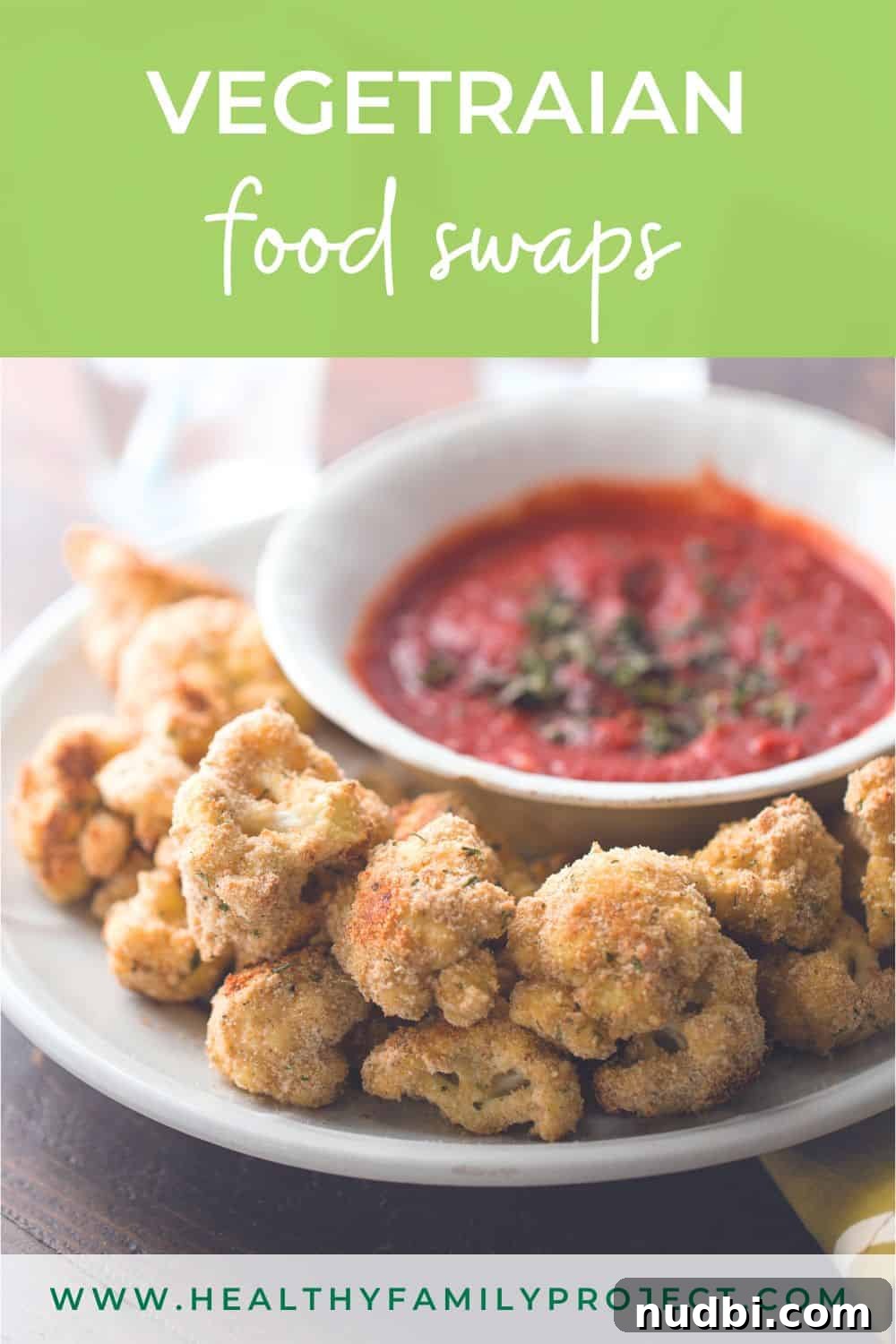
The culinary possibilities with cauliflower are nearly endless and truly inspiring. Its florets can be roasted to perfection and seasoned with bold spices to create fantastic taco fillings or vibrant, nutrient-packed pizza toppings. It brilliantly replaces chicken in spicy buffalo wing recipes, offering a healthier, plant-based twist on a beloved classic without sacrificing flavor. For those seeking gluten-free options, riced cauliflower serves as an excellent, low-carb base for pizza crusts, dramatically reducing carbohydrate content while boosting vegetable intake. Furthermore, mashed cauliflower is a lighter, creamy, and nutrient-dense alternative to traditional mashed potatoes, perfect as a wholesome side dish. From crispy roasted florets and tender “steaks” to creamy sauces and even rice substitutes, cauliflower can be transformed into a myriad of delicious dishes, continually proving that healthy eating doesn’t mean sacrificing flavor, texture, or satisfaction.
Dive deeper into the world of cauliflower and discover its full potential on our Produce Tips page and try your hand at these creative and scrumptious recipes to experience its amazing adaptability:
- Air Fryer Mexican Cauliflower Rice Taquitos
- Cheesy Cauliflower Hashbrown Waffles
- Roasted Chickpea Buddha Bowl
- Breaded Pizza Cauliflower Bites
Lentils and Legumes: The Hearty & Frugal Staples
Lentils and other versatile legumes, such as chickpeas, black beans, and kidney beans, are foundational pillars of vegetarian and vegan diets, revered for their incredible nutritional value, versatility, and remarkable affordability. They are exceptional sources of plant-based protein, dietary fiber, iron, folate, and magnesium, contributing significantly to digestive health, sustained energy levels, and overall well-being. Unlike meat, they contain no cholesterol and are naturally very low in fat, making them a heart-healthy choice for consistent consumption.
These humble yet mighty ingredients are perfect for mimicking ground meat in a wide array of comforting and flavorful dishes. Brown or green lentils, when cooked, possess a texture that makes them ideal for creating rich and hearty bolognese sauces, satisfying shepherd’s pie fillings, or robust meatless loafs. Black beans and chickpeas are undisputed stars in vegetarian burgers, tacos, burritos, and chilis, adding a robust flavor, creamy texture, and substantial fulfilling presence. You can easily mash them for creamy dips like homemade hummus or add them whole to vibrant salads and nourishing grain bowls for an extra, wholesome protein boost. For a quick and effortless swap, simply replace ground beef with cooked lentils or a nutritious blend of lentils and finely chopped vegetables in your favorite recipes. Their remarkable ability to absorb and carry various spices and seasonings makes them incredibly adaptable to virtually any cuisine, from aromatic Indian curries to fiery Mexican fiestas, offering endless culinary inspiration.
Tofu and Tempeh: Soy-Based Protein Powerhouses
Tofu and tempeh, both derived from the humble soybean, are revered in plant-based cooking for their high protein content, extraordinary versatility, and remarkable ability to adopt an endless array of flavors. These soy products are not only rich in complete protein, providing all essential amino acids, but also offer significant amounts of iron, calcium, and beneficial prebiotics (especially tempeh), making them excellent nutritional cornerstones for any health-conscious diet.
**Tofu**, created from condensed soy milk pressed into solid white blocks, is available in various textures ranging from silken (soft and creamy) to extra-firm (dense and meaty). Extra-firm tofu is particularly adept at mimicking the texture of chicken or pork due to its dense and chewy consistency. Pressing firm or extra-firm tofu before cooking is a crucial step that removes excess water, allowing it to better absorb flavorful marinades and achieve a wonderfully crispier texture when baked, pan-fried, or grilled. It can be easily cubed and stir-fried, crumbled for delicious “scrambles” or “ricotta” alternatives, or even blended into creamy, dairy-free sauces. Its mild, almost neutral flavor ensures it acts as a perfect sponge for spices, making it incredibly adaptable to nearly any culinary profile.
**Tempeh**, on the other hand, is made from fermented whole soybeans, resulting in a much firmer, nuttier product with a more distinct, earthy flavor. Its natural fermentation process not only enhances its digestibility but also provides beneficial probiotics, contributing to gut health. Tempeh’s hearty, chewy texture makes it an excellent substitute for ground meat or sliced cutlets in more robust dishes. It can be steamed (to soften and reduce bitterness), marinated, and then pan-fried, baked, or grilled to perfection. Its robust nature stands up exceptionally well to bold sauces and marinades, making it fantastic in sandwiches, salads, or as a substantial, protein-rich addition to curries and stews. Both tofu and tempeh offer unique culinary experiences and are indispensable tools for anyone exploring the rich and diverse world of plant-based cooking.
Embracing a Flavorful, Plant-Forward Lifestyle
Transitioning to a diet with less meat, or fully embracing a vegetarian or vegan lifestyle, absolutely does not mean sacrificing flavor, satisfying textures, or culinary satisfaction. On the contrary, it opens up a vibrant, exciting world of culinary exploration, introducing you to diverse new ingredients, innovative cooking techniques, and an endless array of delicious dishes. The easy vegetarian food swaps we’ve discussed — from the earthy depth and meaty texture of mushrooms and the shreddable marvel of jackfruit to the hearty versatility of eggplant, the astonishing adaptability of cauliflower, and the foundational strength of lentils, tofu, and tempeh — are just the beginning of what’s possible.
Each of these incredible plant-based alternatives brings its own unique set of nutritional benefits, distinctive textures, and exciting flavors to your plate, enriching your meals while simultaneously contributing to better personal health and a more sustainable planet. By consciously incorporating these simple yet effective swaps into your cooking routine, you’ll quickly discover how simple, enjoyable, and rewarding it is to create delicious, balanced, and truly exciting dishes that everyone at the table, regardless of their dietary preferences, will love and appreciate. So, take the leap, confidently experiment with these incredible ingredients, and savor every moment of your journey towards a more flavorful, healthier, and truly plant-forward lifestyle. Your taste buds, your body, and the planet will undoubtedly thank you!