
As April 22nd approaches, the world gears up to celebrate Earth Day—a powerful reminder of our shared responsibility to protect our planet. Far from being just a single day of observance, Earth Day serves as an annual invitation to reflect on our daily habits and consider how we can contribute to a healthier, more sustainable future, right from the comfort of our homes. This year, let’s transform this global observance into a springboard for lasting change. By embracing mindful practices in our kitchens and homes, we can make a tangible difference in how we interact with the environment, ensuring the well-being of both our families and the planet. Join us as we explore practical, easy-to-implement ideas that will not only honor Earth Day but also foster a more eco-conscious lifestyle throughout the year.
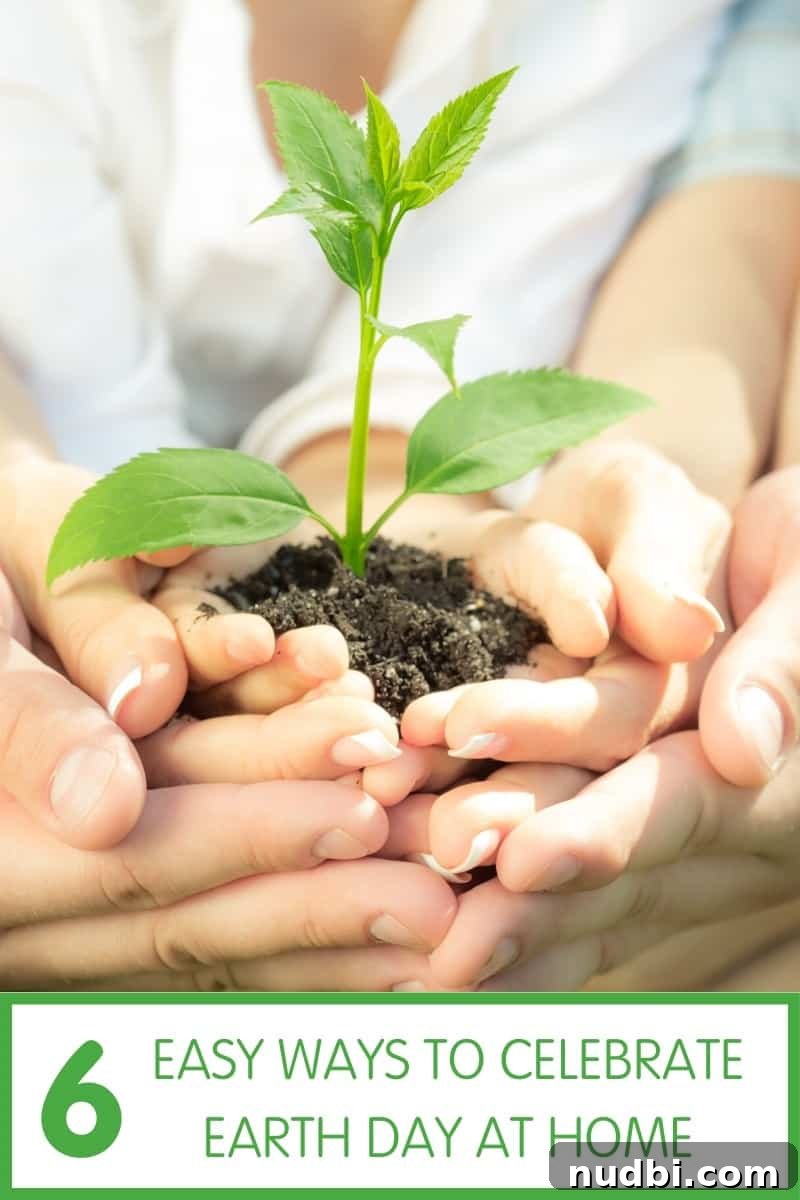
Earth Day provides an opportune moment to critically assess our household routines, particularly those centered around food. From the choices we make at the grocery store to how we prepare our meals and manage post-meal waste, every step holds an opportunity for greater mindfulness. Adopting sustainable practices at home is not just about environmental stewardship; it’s also about nurturing healthier families, fostering community connections, and even saving money. Let’s delve into six impactful ways you can celebrate Earth Day and integrate eco-friendly habits into your everyday life, making a positive ripple effect for our planet.
Embracing Sustainable Living: Practical Tips for Earth Day and Beyond
Cultivate Your Own Green Oasis: The Joys of Home Gardening
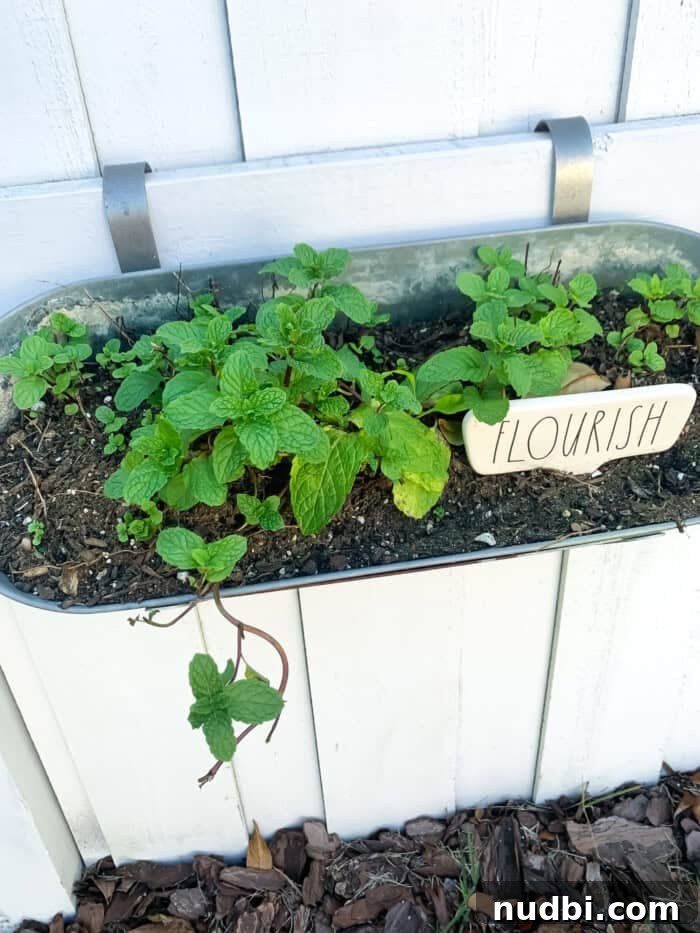
There’s a unique satisfaction that comes from growing your own food, and starting a home garden is one of the most rewarding ways to celebrate Earth Day. Gardening is a fantastic activity for the entire family, offering educational opportunities and hands-on fun. Even young children can get involved with simple tasks like planting seeds, watering sprouts, and harvesting ripe produce, fostering a deeper connection to nature and an understanding of where food comes from.
You don’t need a sprawling backyard to enjoy the benefits of gardening. Container gardens are an excellent solution for small spaces, patios, balconies, or even sunny windowsills. Imagine plucking fresh, sun-ripened tomatoes, fragrant herbs, or crisp lettuce right from your pot. Easy-to-grow options like cherry tomatoes, various herbs (basil, mint, rosemary), bell peppers, and even small lemon trees thrive in containers. These plants not only provide fresh ingredients but also add a touch of green beauty to your living space.
For an extra layer of creativity and purpose, consider planting a themed garden. A “spaghetti sauce garden,” for instance, could feature a delightful combination of robust tomatoes, vibrant bell peppers, pungent onions, and aromatic herbs like oregano and basil. Or, for those who enjoy a bit of spice, a “salsa garden” might include juicy tomatoes, fiery jalapeños, red onions, and fresh cilantro. The possibilities are endless, allowing you to tailor your garden to your family’s culinary preferences.
Beyond the fresh produce, home gardening offers significant environmental benefits. It drastically reduces “food miles”—the distance your food travels from farm to plate—thereby lowering your carbon footprint. It also encourages a deeper appreciation for healthy, seasonal eating and can inspire conversations about sustainable food systems. For those new to gardening, there’s a wealth of information available to help you get started. Explore more tips and tricks to make your garden flourish by checking out some of our other gardening posts, designed to guide you from seedling to harvest.
Foster Community and Reduce Waste with a Produce Co-op
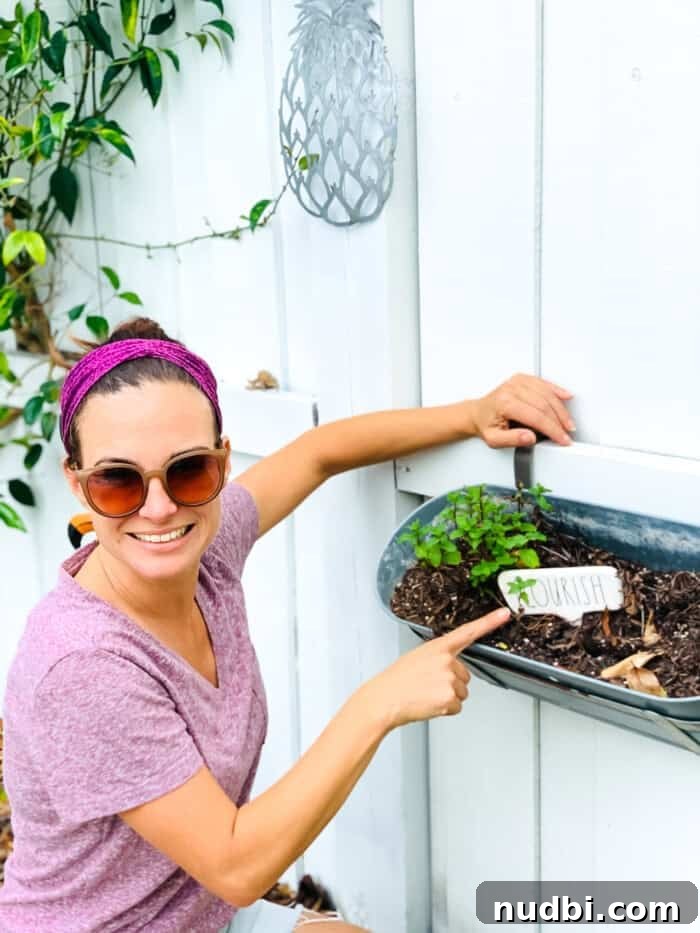
One of the beautiful side effects of a successful garden is often an abundance of fresh produce—more than one family can reasonably consume. This bounty, while wonderful, can also lead to food waste if not managed properly. This is where the brilliant concept of a produce co-op comes into play. Starting a neighborhood produce co-op is an innovative and highly effective way to celebrate Earth Day by fostering community, sharing resources, and significantly reducing food waste.
Imagine a vibrant online group or a simple neighborhood chat where members can post when they have surplus fruits, vegetables, or herbs. Perhaps your zucchini plants are overflowing, or your tomato harvest has been exceptionally generous. Instead of letting this precious food spoil, you can easily offer it to neighbors who might be eager to use it. This collaborative approach ensures that fresh, healthy produce finds a home, preventing it from ending up in landfills where it would contribute to methane gas emissions.
A produce co-op isn’t just about sharing; it’s about building stronger community ties. It provides an opportunity for neighbors to connect, exchange gardening tips, and even share recipes. It fosters a spirit of generosity and mutual support, turning food sharing into a tangible act of community building. For example, if you have an excess of cucumbers, someone else might have an abundance of bell peppers, leading to a wonderful exchange that benefits everyone. This cooperative model encourages a cyclical approach to food, where nothing goes to waste and everyone benefits from the collective effort.
Beyond fresh sharing, a co-op can also inspire creative cooking. That extra basket of tomatoes and cucumbers could be the perfect foundation for a delicious Build Your Own Salad night, using up diverse ingredients from various gardens. By participating in or initiating a produce co-op, you’re not just reducing waste; you’re cultivating a more sustainable, connected, and resilient community.
Transform Kitchen Scraps into Garden Gold: Start a Compost Pile
Every household generates kitchen waste, and a significant portion of that waste consists of organic materials like fruit and vegetable peels, coffee grounds, and eggshells. Instead of contributing to overflowing landfills, where these materials decompose anaerobically and produce harmful methane gas, consider the eco-friendly alternative: starting a compost pile. Composting is a natural process that transforms these “waste” items into nutrient-rich soil amendment, often referred to as “black gold,” which can then be added to your garden to nourish new plants.
The benefits of composting are multifaceted. Environmentally, it diverts organic waste from landfills, thereby reducing greenhouse gas emissions and extending the lifespan of landfill sites. For your garden, compost acts as a natural fertilizer, improving soil structure, enhancing water retention, and providing essential micronutrients that synthetic fertilizers often lack. This leads to healthier, more robust plants and potentially higher yields, all while eliminating the need for chemical additives. It’s a closed-loop system that embodies the principles of sustainability.
Starting a compost pile is simpler than you might think. You can purchase ready-made compost containers in various shapes and sizes from garden centers or online, designed to fit different outdoor spaces, from small patios to larger yards. Alternatively, for the DIY enthusiast, building your own compost bin from repurposed materials like pallets or wire mesh is a cost-effective and equally effective option. The key is to maintain a balance of “greens” (nitrogen-rich items like food scraps, grass clippings) and “browns” (carbon-rich items like dry leaves, shredded cardboard, wood chips), along with adequate moisture and aeration.
While composting is an excellent solution for many kitchen odds and ends, there’s another fantastic way to utilize those vegetable scraps: making your own homemade veggie stock! Instead of discarding onion skins, carrot tops, celery ends, and mushroom stems, simply collect them in a bag in your freezer. Once you have a sufficient amount, simmer them with water and herbs to create a flavorful, nutritious vegetable broth that forms the perfect base for soups, stews, and risottos. It’s a simple yet powerful way to extract every last bit of value from your produce and reduce food waste to an absolute minimum. Learn how to make your own vegetable stock here and take another step towards a zero-waste kitchen.
Embrace Plant-Powered Plates: The Benefits of Meatless Meals

Making a conscious choice to incorporate more plant-based meals into your diet is a powerful way to celebrate Earth Day and contribute to a healthier planet year-round. While the benefits to your body, stemming from an increased intake of vitamins, minerals, and fiber, are widely recognized, the positive environmental impact of reducing meat consumption is equally significant. The production of fruits, vegetables, legumes, and grains generally creates fewer greenhouse gas emissions, requires less water, and uses less land compared to the production of most animal-based food items.
Livestock farming is a major contributor to global greenhouse gas emissions, deforestation, and water pollution. By simply opting for a meatless meal one day a week, or even a few times a week, you can dramatically lower your personal carbon footprint. This doesn’t mean you have to commit to a fully vegetarian or vegan lifestyle; rather, it’s about making incremental changes that collectively have a substantial impact. “Meatless Monday” is a popular and accessible way to start, encouraging people to explore the vast and delicious world of plant-based cuisine.
Embracing a more plant-forward diet is also an exciting culinary adventure. The world of fruits, vegetables, legumes, nuts, and seeds offers an incredible array of flavors, textures, and nutritional profiles. You can discover new favorite dishes, experiment with global cuisines, and find innovative ways to prepare familiar ingredients. From hearty lentil stews and vibrant stir-fries to creative pasta dishes and satisfying bean burgers, plant-based meals can be incredibly diverse, flavorful, and filling.
For those looking for inspiration, there are countless delicious and healthy vegetarian and plant-based recipes available. The transition can be easy and enjoyable, proving that eating sustainably doesn’t mean sacrificing taste or satisfaction. Ready to explore new flavors and make a positive impact? Here are 25 delicious and healthy meatless recipes to inspire your next plant-powered meal and help you nourish both your body and the planet.
Prioritize Local and Seasonal: A Smart Choice for Your Plate and Planet
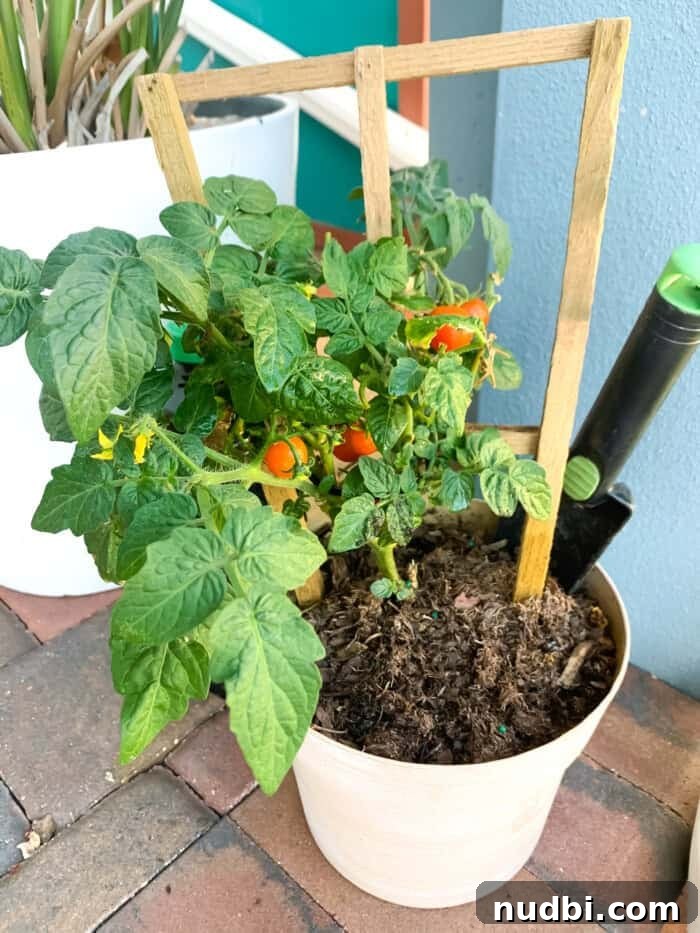
When making food choices, actively choosing seasonal and local produce is a simple yet profoundly impactful way to honor Earth Day and support sustainable food systems. This practice benefits not only the environment but also your health, your local economy, and your palate. Produce that is in season is grown when nature intended, requiring fewer artificial inputs like heated greenhouses or extensive irrigation, making it a more environmentally friendly option.
One of the most immediate benefits of seasonal produce is often its lower cost. When fruits and vegetables are in season, they are typically more plentiful and easier for farmers to grow without excessive resources, which translates to better prices for consumers. Conversely, produce grown out of season or in distant climates often incurs higher costs due to specialized growing conditions and extensive transportation. This brings us to another critical environmental advantage: reduced food miles. When you buy local produce, you dramatically cut down on the fuel required to transport food from distant farms, significantly lowering your carbon footprint and mitigating climate change.
Beyond the environmental and economic aspects, local and seasonal produce simply tastes better. Picked at the peak of ripeness, it retains maximum flavor, nutrients, and freshness. Unlike produce that must be harvested prematurely to survive long transit times, local goods arrive at your table bursting with natural goodness. This makes your meals more vibrant and enjoyable, encouraging a healthier diet rich in diverse fruits and vegetables.
Supporting local farmers also strengthens your community’s economy, helping to sustain local businesses and agricultural traditions. It creates a direct connection between consumers and producers, fostering transparency and trust in your food source. To discover what fresh fruits and vegetables are at their best each month and find local sources, check out our comprehensive What’s in Season guide. By making a conscious effort to buy local and seasonal, you’re making a delicious choice that truly makes a difference for our planet and your plate.
Extend the Harvest: Preserving Nature’s Bounty Year-Round
One of the smartest ways to reduce food waste and enjoy the benefits of seasonal, local produce long after its peak season is through preservation. This Earth Day, consider adopting methods like freezing, canning, or drying to extend the life of your fresh fruits and vegetables. Whether it’s a fantastic deal at the farmer’s market, an abundance from your own garden, or an overflow from a produce co-op, preserving allows you to capture the peak freshness and nutritional value of produce to enjoy throughout the year.
Preserving produce is a practical skill that offers numerous advantages. Economically, it allows you to save money by buying in bulk when prices are low and having healthy ingredients on hand, reducing reliance on expensive, out-of-season alternatives. Environmentally, it’s a powerful tool against food waste, ensuring that no good food goes to landfill. By planning ahead and preserving, you’re also reducing your need for processed or pre-packaged foods, which often come with excessive packaging and higher carbon footprints.
Freezing is perhaps the simplest and most accessible preservation method for many fruits and vegetables. Blanching vegetables before freezing helps retain their color, flavor, and nutrients. Fruits can often be frozen as is or with a light syrup. Canning, while requiring a bit more equipment and knowledge, is a wonderful way to store items like tomatoes, jams, pickles, and even green beans, creating shelf-stable goods that can last for months or even years. Drying, too, offers a compact way to store herbs, fruit leathers, or vegetable chips. Each method empowers you to take control of your food supply and make sustainable choices that resonate throughout the year.
The act of preserving is more than just a chore; it’s a mindful connection to the food cycle and a testament to sustainable living. You’ll not only save money and eat healthier, but you’ll also feel a deep sense of satisfaction knowing that your efforts today allow you to savor the taste of summer in the dead of winter. It’s a tangible way to make your Earth Day commitment last. For detailed guides on how to preserve your harvest effectively, including 5 easy ways to freeze fruits and veggies, explore our resources and embark on your preservation journey. Embrace these methods, and turn seasonal bounty into year-round delight, truly extending the harvest and minimizing waste.
It’s clear that being more mindful about the foods we eat and how we manage our household resources doesn’t have to be complicated. Sustainable living is built upon a series of small, conscious choices that, when adopted consistently, create significant positive change. This Earth Day, we encourage you to choose just one new idea from this list—whether it’s planting a single herb in a pot, joining a local produce exchange, starting a small compost bin, trying a new meatless recipe, prioritizing local purchases, or freezing some extra berries. Before long, these individual actions can evolve into deeply ingrained habits, transforming your home into a beacon of eco-conscious living. Every step we take, no matter how small, contributes to the larger goal of nurturing our planet for future generations. For even more actionable strategies to reduce food waste at home and save money in the process, make sure to check out these 7 tips and continue your journey towards a more sustainable lifestyle.