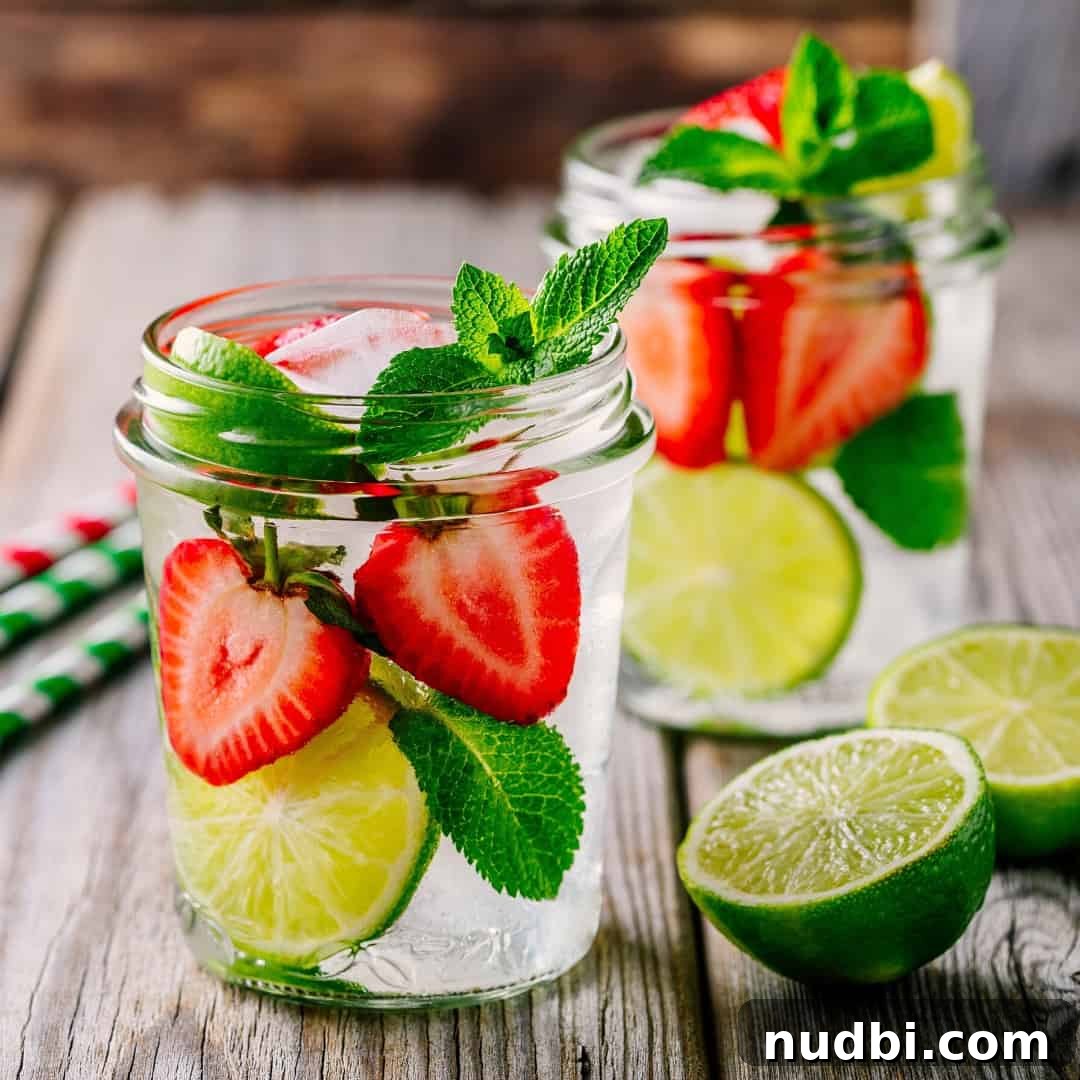
Welcome to this month’s Food Rx, where Registered Dietitian and Culinary Nutrition Chef Julie Lopez delves into the crucial topic of hydration. She also shares creative, kid-friendly infused-water recipes designed to help you and your family maintain optimal hydration levels throughout the year.
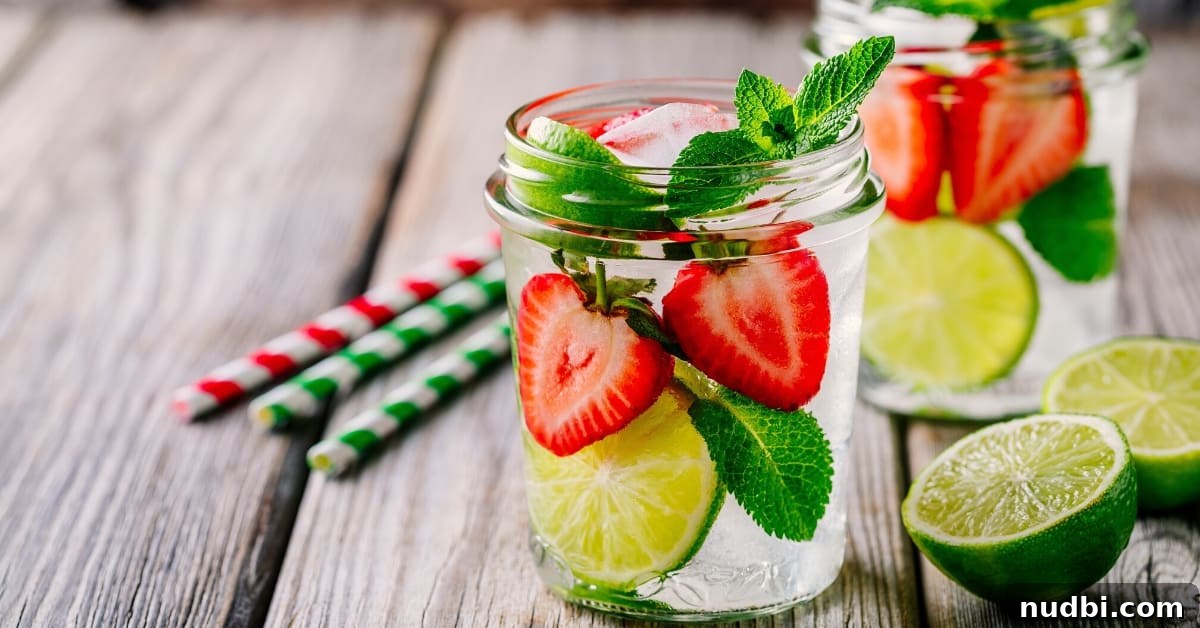
Optimize Your Health: The Ultimate Guide to Hydration for Families
Staying adequately hydrated is fundamental to your overall health and well-being, standing alongside a balanced diet, regular exercise, and sufficient sleep as a pillar of a healthy lifestyle. Unlike other nutrients, your body cannot store water, making a continuous supply essential to support its myriad functions. Water isn’t just a beverage; it’s arguably the most vital nutrient your body requires.
Water plays an indispensable role in maintaining essential bodily processes. It helps regulate body temperature, transports vital nutrients and oxygen to every cell, and efficiently carries waste products away. Furthermore, water is crucial for maintaining proper blood volume and acts as a natural lubricant for joints and delicate body tissues, including those in your mouth, eyes, and nose. As a sugar-free, caffeine-free, and calorie-free choice, water truly is a liquid asset for maintaining a healthy weight and promoting vibrant health.
Given its profound importance, it’s essential to understand why hydration is so critical, recognize the subtle and overt signs of dehydration, and discover enjoyable strategies to increase your daily water intake. This comprehensive guide aims to shed light on all these aspects and more.
The Indispensable Role of Hydration: Why It Matters So Much
Water forms the very foundation of life, comprising up to 60% of the human body. Its omnipresence within our systems underscores its absolute necessity for survival and optimal functioning. Every single cell, tissue, and organ in your body relies on water to perform its designated tasks effectively.
Beyond regulating body temperature through perspiration, water acts as the body’s primary transportation system. It facilitates the movement of nutrients from your digestive system to your cells and ensures oxygen reaches every tissue, fueling metabolic processes. Equally important, water helps flush out toxins and waste products through the kidneys, preventing their accumulation and maintaining internal purity. From ensuring proper digestion and nutrient absorption to supporting cognitive function and maintaining skin elasticity, water is involved in virtually every physiological process.
While the physical demands of staying hydrated become more apparent during hot weather and increased outdoor activities, the importance of consistent hydration extends throughout the entire year. Whether it’s a chilly winter day or a scorching summer afternoon, your body’s need for water remains constant for peak performance and long-term health.
Understanding Dehydration: When Your Body Needs More
Dehydration occurs when your body, or your child’s body, loses more fluid than it takes in, leading to an insufficient amount of water to perform normal bodily functions. This imbalance can significantly impair both physical and mental performance. For children, even mild dehydration can manifest as headaches, tiredness, difficulty concentrating, and reduced mental sharpness, affecting their academic performance and play.
Beyond these immediate effects, severe dehydration can lead to serious health complications, requiring prompt medical attention. Recognizing and addressing dehydration promptly is vital for everyone, especially for active children and adults. Ensuring consistent water intake is key to preventing dehydration and maintaining overall vitality.

Recognizing the Signs of Dehydration: Your Body’s Warning Signals
Many people don’t realize that by the time you feel thirsty, your body may already be experiencing a degree of dehydration. Our bodies naturally lose water throughout the day through various processes: sweating, urination, and even breathing (as water vapor). We also lose small amounts through tears. typically, these fluids and essential salts are replaced through our regular diet and beverage intake.
However, circumstances can arise where we lose significantly larger amounts of water and electrolytes, leading to rapid dehydration. This can happen during illness characterized by fever, diarrhea, or vomiting, or through prolonged periods of intense physical activity that result in excessive sweating.
A simple, yet effective, method for gauging your hydration status is to observe the color of your urine. Darker urine indicates a greater need for water, signaling that your kidneys are working harder to conserve fluid. Conversely, light-colored or colorless urine suggests you are well-hydrated, as your body has sufficient fluids to excrete excess water.
Key Signs and Symptoms of Dehydration:
- Fatigue and Low Energy: A common early sign, as water is crucial for energy production.
- Dry Mouth and Cracked Lips: Reduced saliva production is a direct consequence of insufficient fluid.
- Headache: Dehydration can lead to a decrease in brain fluid, causing headaches.
- Dizziness or Lightheadedness: A drop in blood volume due to dehydration can affect blood pressure.
- Few or No Tears When Crying: Especially noticeable in children and infants.
- Eyes That Look Sunken: A more severe sign, indicating significant fluid loss.
- Urinating Less or Fewer Wet Diapers: For infants and young children, a significant reduction in wet diapers is a critical warning sign.
- Irritability: Dehydration can impact mood and cognitive function, making individuals more irritable.
- Extreme Thirst: While a primary indicator, it often means dehydration has already begun.
The primary objective in treating dehydration is to replenish lost fluids and restore the body’s fluid and electrolyte balance to normal levels. For children who are mildly dehydrated due to strenuous activity, the most straightforward solution is plain water. They will likely be thirsty and should be encouraged to drink small, frequent sips. Resting in a cool, shaded environment is also beneficial until their fluid levels are normalized. If dehydration stems from an illness involving vomiting or diarrhea, beverages containing electrolytes might be recommended to effectively replace both water and essential minerals lost from the body.
Smart Strategies to Stay Hydrated: Beyond Just Drinking Water
While drinking water is paramount, it’s important to remember that your total daily water intake isn’t solely derived from plain water. Many of the delicious and nutritious foods we consume also contribute significantly to your hydration levels.
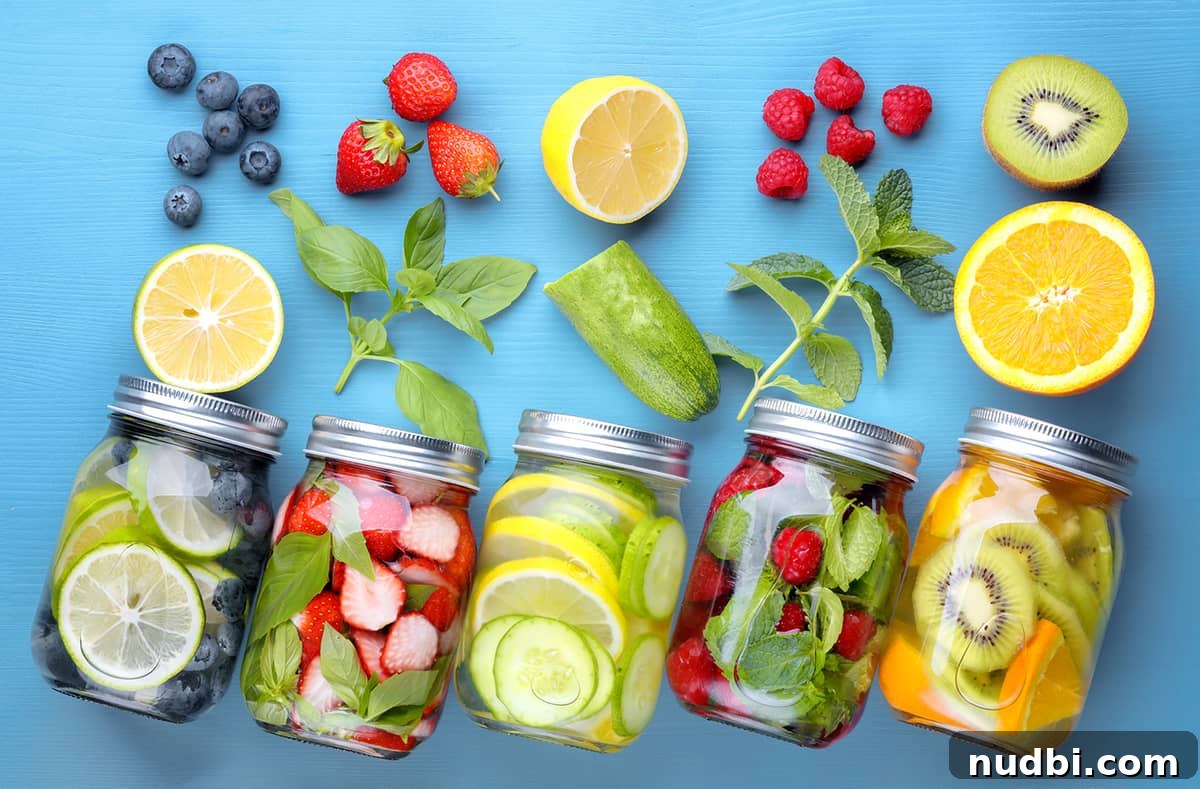
Make Drinking Water a Daily Habit: Simple Steps for Success
- Invest in a Quality Reusable Water Bottle: A durable, attractive water bottle can be a powerful motivator. Opt for one that keeps your water chilled for hours, making every sip refreshing and enjoyable.
- Personalize and Make it Fun: Encourage your child to choose a water bottle in their favorite color or let them decorate it with fun stickers. This sense of ownership can significantly boost their willingness to drink more water.
- Keep it Accessible and Visible: Always keep your water bottle filled and within reach, whether you’re at home, at work, or on the go. The easier it is to access, the more likely you are to drink from it consistently.
Discover the Joy of Infused Water: A Burst of Natural Flavor
If plain water tastes a bit bland, infusing it with fruits, vegetables, and herbs is an excellent way to add natural flavor without resorting to sugary drinks. Experimenting with various combinations can prevent boredom and transform hydration into a delightful experience. Infused water not only tastes great but also encourages more consistent fluid intake for the entire family.
Creative Infused Water Flavor Combinations for Every Palate:
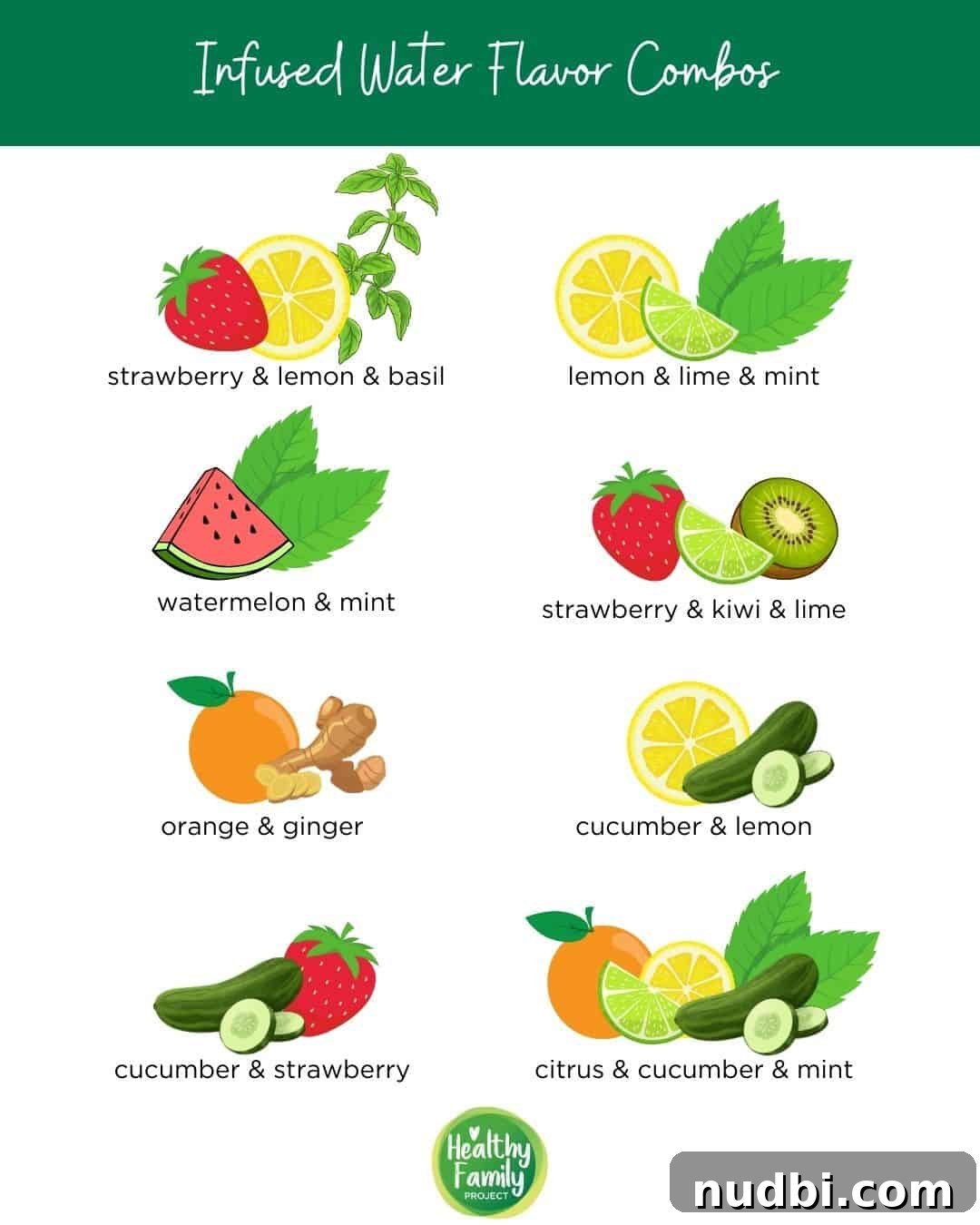
- Strawberry + Lemon + Basil
- Strawberry + Lime
- Orange + Ginger
- Watermelon + Mint
- Citrus + Cucumber + Mint
- Strawberry + Cucumber
- Lemon + Lime + Mint
- Strawberry + Kiwi + Lime
- Pineapple + Mango
- Lemon + Cucumber
- Cantaloupe + Honeydew Melon + Watermelon
Sparkling Waters: A Bubbly Path to Hydration
For those who prefer a little fizz, sparkling water is an excellent hydrating option, contributing just as effectively to your daily fluid intake as still water. To maximize its health benefits, always choose sparkling water varieties that are free from added sugars, artificial sweeteners, and excessive sodium. A squeeze of fresh lemon or lime can further enhance the experience without compromising on health.
Boost Your Hydration with Water-Rich Foods: Nature’s Refreshments
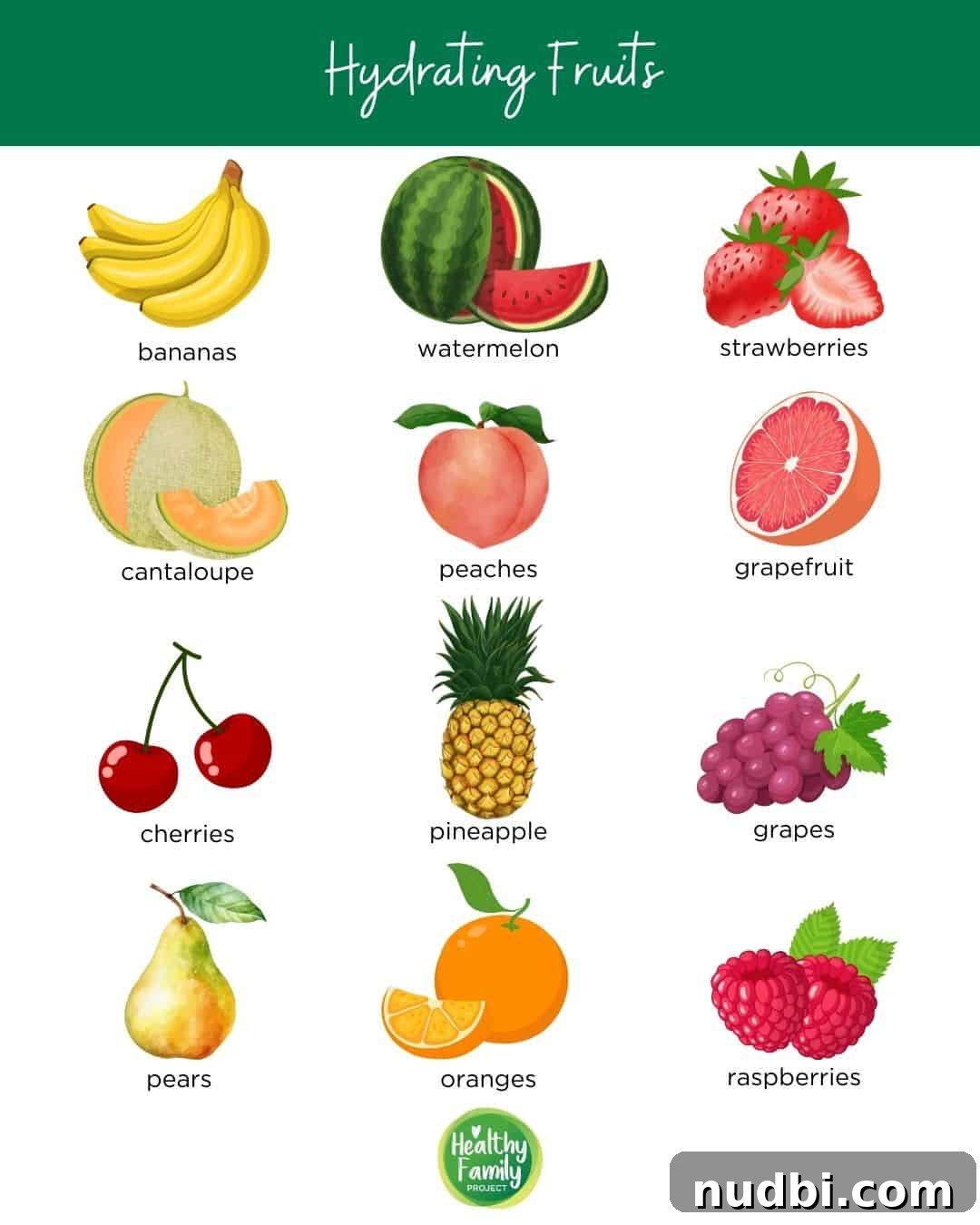
Incorporating water-dense foods into your diet is a delicious and effective way to significantly contribute to your daily fluid intake. These foods not only provide essential hydration but also deliver a wealth of vitamins, minerals, and fiber.
- A 1-cup serving of watermelon is roughly 92% water, providing over half a cup of water, along with beneficial fiber and vital nutrients like vitamin C, vitamin A, and magnesium. Its sweet taste makes it a refreshing summer favorite.
- Strawberries are remarkably hydrating, with about 91% of their weight coming from water. Eating these juicy berries is an enjoyable way to boost your daily water intake while also getting a dose of antioxidants and vitamin C.
- One cup of cantaloupe is composed of approximately 90% water, delivering more than half a cup of water per serving. It’s also rich in vitamins A and C, and potassium, making it a nutrient powerhouse.
- Close to 90% of peaches’ weight is water, making them incredibly refreshing. They also supply several important vitamins and minerals, such as vitamin A, vitamin C, various B vitamins, and potassium. Other stone fruits like plums, nectarines, and apricots offer similar hydrating benefits.
- One cup of lettuce, especially varieties like romaine or iceberg, provides more than a quarter cup of water and 1 gram of dietary fiber. It’s a low-calorie way to add volume and hydration to meals.
- A 1-cup serving of chopped zucchini boasts over 90% water content and provides 1 gram of fiber. This versatile vegetable can be incorporated into countless dishes, from stir-fries to salads.
- Celery is almost entirely water, providing close to half a cup in a 1-cup serving. Its crisp texture makes it a satisfying and hydrating snack, also offering fiber and antioxidants.
- One medium tomato contributes about half a cup of water to your diet. Tomatoes are also packed with immune-boosting vitamins A and C, and the antioxidant lycopene.
- More than 90% of the weight of bell peppers comes from water. These colorful vegetables are rich in fiber, vitamins (especially vitamin C), and minerals such as B vitamins and potassium, making them a vibrant and hydrating addition to any meal.
Children’s Hydration Needs: Daily Water and Beverage Requirements
Determining the exact daily water requirements for children and adults involves considering several factors, including age, weight, gender, and activity level. Environmental conditions like air temperature and humidity, along with a person’s overall health status, also play a significant role. As a general guideline, children and teenagers should aim to drink at least 6 to 8 cups of water daily. Additionally, incorporating the recommended servings of fruits and vegetables is crucial, as these foods contain a substantially higher water content compared to other dietary sources.

Proper hydration is particularly critical for young athletes. During extended competitions, such as swim meets or tennis tournaments, a combination of water, 100% fruit juice, and even sports drinks (which replenish electrolytes) can be appropriate. However, for shorter activities, like a soccer game lasting less than an hour, plain water is typically sufficient. Flavored and unflavored milk can also be excellent choices during and after sports, providing not only hydration but also protein for muscle repair and carbohydrates to refuel energy stores.
To help you understand your child’s specific needs, the chart below provides a breakdown of daily total water intake recommendations based on age and gender.
Please note: These recommendations are established for generally healthy children residing in temperate climates. Individual needs may vary, so it’s always wise to consult with a healthcare provider for personalized advice for your child or teen.
| Age Range | Gender | Total Water (Cups/Day) |
|---|---|---|
| 4 to 8 years | Male/Female | 7 cups |
| 9 to 13 years | Female | 9 cups |
| Male | 10 cups | |
| 14 to 18 years | Female | 10 cups |
| Male | 14 cups |
The daily water recommendations for children and teenagers might seem substantial at first glance. However, it’s crucial to remember that these figures represent “total water” intake, which encompasses water from all sources. This includes not only drinking water but also other beverages and, significantly, the water content found in food. Fruits and vegetables, in particular, boast a much higher water content than most other solid foods. This high water percentage is a key reason why these food groups contribute to satiety while remaining relatively low in calories, making them excellent choices for maintaining a healthy weight and ensuring adequate nutrient intake for growing bodies.

Practical Tips to Encourage Your Child to Drink More Water:
- Serve Water Cold: Cold water is generally more refreshing and palatable, especially for children who might find lukewarm water unappealing. Keep a pitcher of cold water in the fridge.
- Utilize Fun Cups: Let your child pick their favorite character cup, a brightly colored tumbler, or a “silly” straw cup specifically for water. This can make hydration feel like a special treat rather than a chore.
- Create Exciting Ice Cubes: Use fun-shaped ice cube molds (stars, animals, LEGO bricks) to add an element of play to their drinks. You can even freeze small pieces of fruit inside for a burst of flavor as they melt.
- Be a Hydration Role Model: Children often mimic their parents. Make a conscious effort to drink water frequently throughout the day, especially when your child is around. Seeing you prioritize water will encourage them to do the same.
- Rethink Sugary Drinks: When dining out, choose water instead of soda or sugary juices. At home, get creative by making homemade fruit “soda” by adding a splash of 100% fruit juice (or infused water!) to carbonated water.
- Introduce Fruit-Infused Water: As discussed earlier, infusing water with fresh fruits, vegetables, and herbs adds natural flavor and a vibrant visual appeal, making water more exciting.
- Fruity Ice Cubes: Freeze berries or small fruit chunks directly into ice cubes. As they melt in your child’s water, they release subtle flavors and make drinking water more enjoyable.
- Child-Sized Water Bottles: Provide small, easy-to-hold water bottles that your child can manage independently. This empowers them to take control of their hydration.
We hope these comprehensive insights into hydration empower your family to adopt healthier drinking habits. Understanding the pivotal role water plays in maintaining overall health, recognizing the signs of dehydration, and exploring creative ways to boost water intake are all steps towards a more vibrant and energetic lifestyle. Do you have any further questions about hydration or tips you’d like to share? Feel free to comment below!
Disclaimer: Before implementing any significant health or diet changes, always consult with your doctor or a qualified healthcare professional. The information provided in Food Rx is intended for informational purposes only and should not be considered a substitute for professional medical advice.