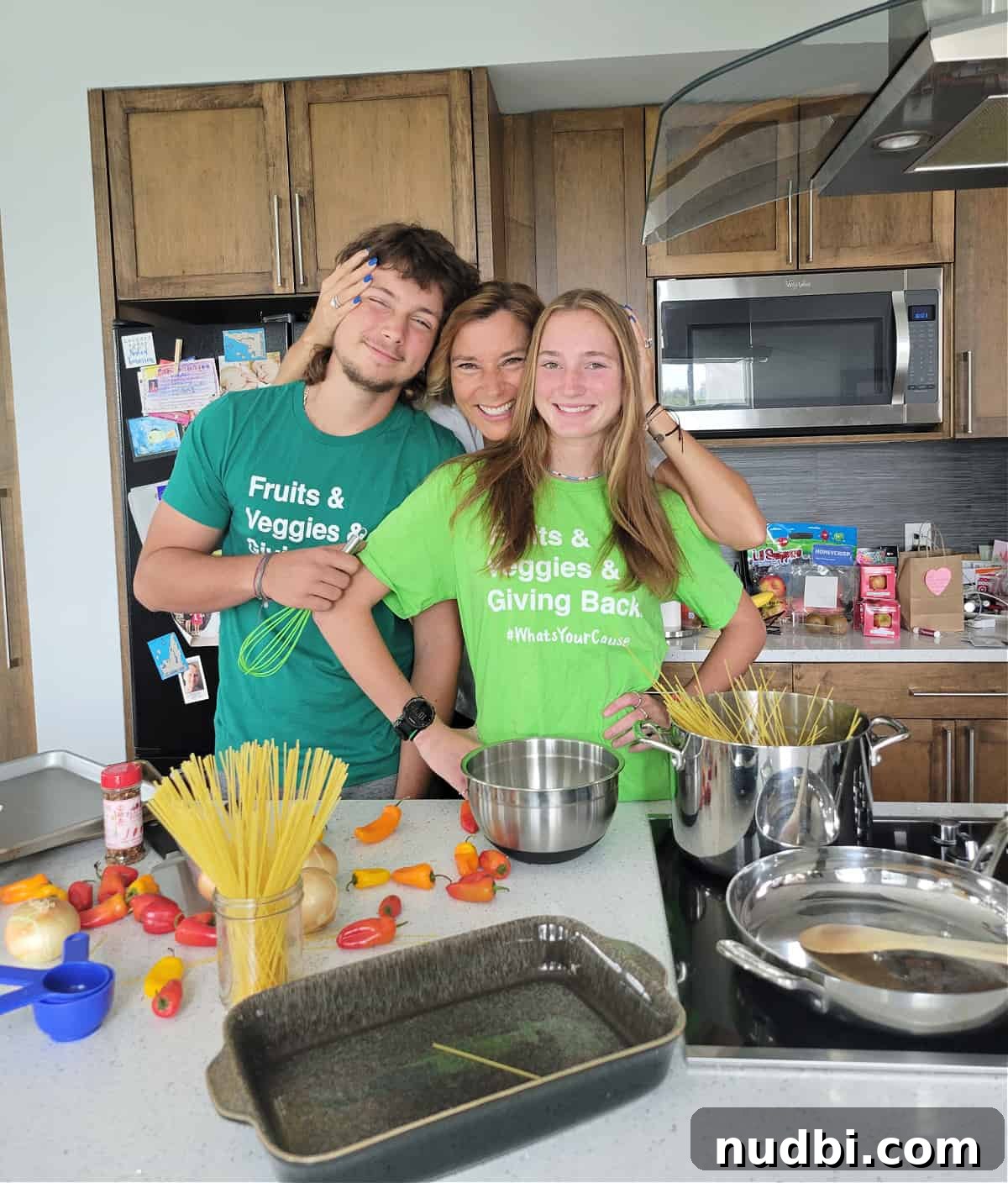
In a world increasingly dominated by digital screens, cultivating real-world skills and meaningful connections can feel like a formidable challenge for parents. One of the most rewarding and impactful ways to achieve both is by inviting children into the heart of your home: the kitchen. Far more than just preparing food, cooking with kids offers a treasure trove of learning opportunities, fosters essential life skills, and creates unforgettable family memories. This comprehensive guide will explore the profound benefits of getting your children involved in culinary activities, provide practical tips for sparking their interest, and suggest the right tools to set them on their path to becoming confident home cooks.
Inspire Kids to Cook: Cultivating Culinary Confidence and Cherished Family Moments
Encouraging children to join in the kitchen is about so much more than just preparing a meal. It’s about nurturing independence, fostering healthy habits, and strengthening family bonds. As advocates for healthy family meals and involving kids in the kitchen, we understand the challenges and the immense rewards. September marks National Family Meals Month, a perfect occasion to kickstart or reinforce these invaluable traditions. While family kitchen time is a joy we celebrate daily, this dedicated month serves as an excellent reminder of the countless benefits of dining together and getting children engaged in the cooking process.
Understanding National Family Meals Month and Its Impact
National Family Meals Month™ is a significant industry-wide initiative designed to highlight and promote the incredible advantages of consistently sharing meals as a family. For us, one of the most cherished benefits is the creation of lasting memories that unfold when everyone gathers in the kitchen and around the dinner table. These moments naturally lead to more engaging conversations, more laughter, and a greater inclination towards preparing and enjoying healthier meal options. We are proud to support this movement, championed by organizations like the Food Marketing Institute and Pure Flavor, as it underscores the vital role family meals play in overall well-being and connection.
Why Teaching Kids About Cooking Is So Important for Their Development
One of the most fundamental aspects of growing into a capable adult is the development of self-sufficiency. By inspiring your children to cook simple, healthy meals, you’re not just imparting practical culinary skills; you’re also empowering them to make informed choices about their nutrition and well-being. The kitchen becomes a vibrant classroom where kids learn far more than just how to follow a recipe. They develop crucial life skills such as problem-solving, critical thinking, and patience as they measure ingredients, follow instructions, and anticipate outcomes. Every step, from reading a recipe to adjusting seasonings, hones their ability to think logically and adapt.
Beyond the practical, being in the kitchen as a family is a fantastic way to inspire kids to express their creativity. They can experiment with flavors, presentation, and even invent their own dishes. Moreover, the social aspect of cooking and sharing meals is invaluable. It’s a powerful way to bond with family members and build strong relationships, fostering communication and teamwork. Cooking together transforms mealtime from a routine necessity into a collaborative and enjoyable experience, solidifying family ties and creating a sense of shared accomplishment. These early experiences with healthy eating and food preparation lay a robust foundation for a lifetime of healthy choices and confident living.
Essential Tools to Get Your Kids Started in the Kitchen
Witnessing your children take pride in the delicious results of their own efforts is one of the most gratifying experiences for any parent. If you’re eager to get your kids involved in the kitchen, having the right, child-friendly tools can make all the difference in building their confidence and ensuring a safe, enjoyable experience. Even the simplest tasks can be transformed into opportunities for learning and fun with a little creativity and the proper equipment.
Here are a few foundational tools to help young aspiring chefs get started:
- Measuring Cups and Spoons: These are indispensable for teaching kids about portion sizes, fractions, and precise measurements. They’re also great for developing fine motor skills and following instructions accurately. Look for colorful sets that are easy for small hands to grasp.
- Mixing Bowls of Different Sizes: Using various bowls can help teach children about volume and capacity. From stirring pancake batter to tossing salads, these bowls are versatile and encourage active participation.
- Timers: A kitchen timer is an excellent educational tool, teaching kids about time management, patience, and the importance of following directions to prevent burning or undercooking.
- Child-Safe Knives: While traditional sharp knives are out of bounds for younger children, plastic or nylon knives designed for kids can safely cut soft fruits and vegetables, allowing them to participate in chopping tasks without risk.
- Sturdy Cutting Boards: Provide individual cutting boards for each child to give them their own workspace and promote hygiene.
- Basic Key Appliances: Naturally, your standard kitchen appliances like a toaster, microwave, or blender (with supervision) can be introduced for age-appropriate tasks.
You likely already possess many of these items. However, when involving multiple children, it’s often beneficial to acquire extras – think additional cutting boards, mixing bowls, measuring sets, or even kid-friendly knives. This minimizes squabbles over equipment and allows everyone to actively participate simultaneously. While this might lead to a bit more cleanup, remember there’s no rule against enlisting the kiddos to help with washing up too!
Parenting Tip: Make the acquisition of new kitchen tools an exciting event! Bring your children to the store when you purchase them and let them choose their favorite colors or styles. This small gesture helps them feel a sense of ownership over their kitchen projects, making them even more enthusiastic about getting involved.
Effective Tips for Inspiring Kids to Get Actively Involved in the Kitchen
The key to successful cooking with kids lies in making it an enjoyable, educational, and empowering experience. Here are some actionable tips to spark their culinary curiosity and keep them engaged:
- Start by Involving Them in Dinner Preparation: Begin with simple, age-appropriate tasks. For younger children, this could mean washing vegetables, stirring ingredients, or setting the table. Older kids can take on more complex roles like chopping (with supervision and child-safe knives), measuring, or even reading recipe instructions aloud. Making them feel like an integral part of the meal preparation will significantly increase their investment and interest.
- Transform Cooking into a Game: Injecting an element of play can make even picky eaters more adventurous. If you’re encouraging kids to eat healthy foods, challenge them to a “Mystery Ingredient” game where they guess what a particular vegetable is, or a “Recipe Creation” challenge where they brainstorm different ways to use a specific ingredient (e.g., “how many ways can we cook carrots for dinner?”).
- Cultivate an Appreciation for Food: Patience is indeed a virtue, especially when teaching children. Emphasize that the process of preparing food, from selecting fresh produce to the aromas filling the kitchen, is an enjoyable experience in itself. Discuss where food comes from, how it grows, and the diverse cultures that inspire different dishes. This mindful approach can foster a deeper respect for what they eat.
- Don’t Be Afraid to Embrace the Mess: A little flour on the countertop or spilled milk is part of the learning process. Allowing kids to get their hands dirty – kneading dough, mixing ingredients directly, or decorating cookies – helps them feel more comfortable and connected to the food. It’s an invaluable sensory experience that boosts their confidence and willingness to experiment.
- Encourage Them to Explore and Find Recipes: Give your children the autonomy to search for recipes that pique their interest. There are numerous benefits to this approach. It allows them to discover what they genuinely enjoy cooking and eating, fostering a love for the culinary arts. When they realize how easy it is to create something delicious themselves, their motivation to get into the kitchen skyrockets. Suggest they browse cookbooks or kid-friendly recipe websites and pick something new to try! This might even push you out of your own culinary comfort zone, but that’s part of the fun – creating shared experiences and new memories as a family.
- Integrate Educational Elements: Go beyond just following recipes. Use cooking as an opportunity to teach about nutrition – why certain foods are good for our bodies, the role of different vitamins, and how to balance a meal. Discuss food science, like how yeast makes bread rise, or the chemical reactions that occur during baking. This adds an academic layer to the practical skill, making it a holistic learning experience.
- Turn It Into an Entertainment Experience: Make kitchen time a celebration! Play upbeat music, sing, dance, and chat while you cook. Transform it into a mini-party. This demonstrates that cooking is not just a chore but a joyful, social activity. A positive and fun atmosphere will make children eager to return.
- Start Them Young, and Keep Them Involved: The earlier children are introduced to the kitchen, the more natural and enjoyable cooking will become for them. Developing a love for cooking from a young age significantly increases the likelihood that they will continue to enjoy it and possess valuable cooking skills into adulthood. Just like the example of a daughter who loved being in the kitchen as a child and now thrives in a high school culinary program, early exposure can ignite a lifelong passion.
For older kids, elevate the challenge to maintain their interest. You could inspire them by challenging them to come up with themed meals. For example, if they’re fans of a particular book series or movie, what would the characters eat? “Deviled ‘dragon’ eggs” and “Dragon’s Breath Hot Chicken” for a fantasy theme can turn meal prep into an imaginative adventure. These seemingly silly ideas can be incredibly engaging and memorable. Another fantastic idea is to host your own family cooking competition, complete with judging and prizes, fostering creativity and healthy competition.
Beyond the Kitchen: Benefits That Last a Lifetime
The advantages of inviting children into the kitchen extend far beyond the immediate joy of a shared meal. These experiences cultivate a host of lasting benefits that contribute significantly to their overall development and future independence. Kids who cook regularly tend to develop greater confidence in their abilities, a stronger sense of self-reliance, and an appreciation for hard work. They learn about planning, organization, and resourcefulness, skills that are transferable to all areas of life.
Furthermore, cooking together reinforces family values and traditions. It’s an opportunity to share stories, pass down recipes, and create a shared history around food. These moments strengthen communication channels within the family, building a supportive and loving environment. Children also become more adventurous eaters, often more willing to try new foods when they’ve been involved in their preparation. This reduces mealtime battles and promotes healthier eating habits for the entire family.
Ultimately, cooking is a powerful vehicle for families to bond, connect, and learn from one another. It’s a wonderfully inclusive activity that everyone can enjoy, regardless of age or current skill level. From the youngest toddler helping to wash vegetables to the teenager mastering a complex recipe, every contribution is valuable and celebrated. By fostering a positive and engaging kitchen environment, we empower our children with essential life skills, fuel their creativity, and build a foundation for a lifetime of healthy eating and cherished family memories.