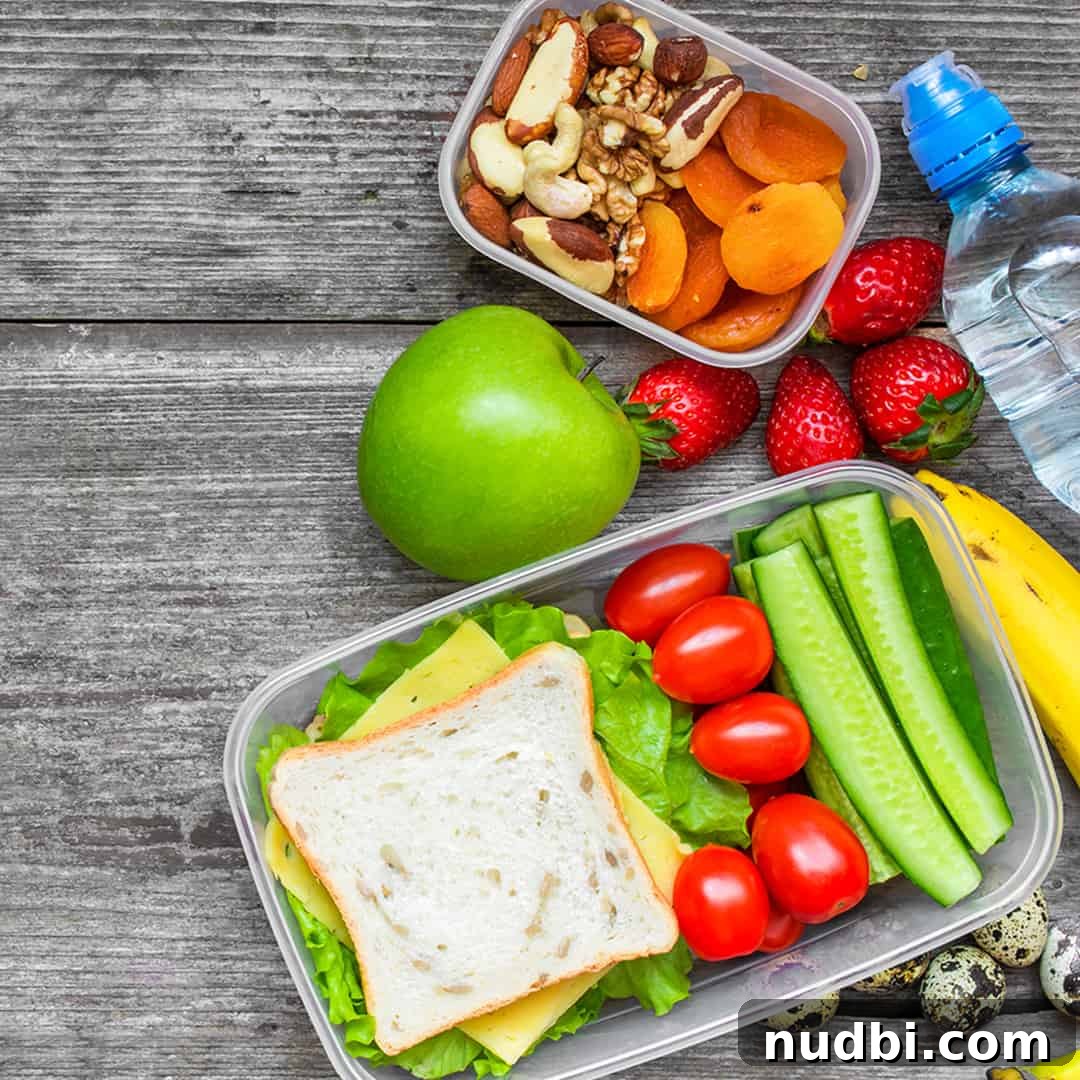
Are you a parent juggling busy mornings, wondering how to pack a nutritious, appealing, and satisfying lunch for your child? It’s a common challenge! Crafting school lunches that not only fuel your kids’ busy brains and bodies but also get eaten can feel like a daunting task. This comprehensive guide is packed with practical tips and strategies to help you pack wholesome school lunches that keep your children energized and focused throughout the day.
Weekday mornings often feel like a race against the clock, with countless tasks to complete before the school bus arrives or drop-off time. Amidst the rush, preparing a nutritionally-balanced school lunch that your child will genuinely enjoy can seem like an overwhelming addition to your to-do list. Yet, providing a healthy mid-day meal is crucial for supporting their growth, learning, and overall well-being.
The good news is that packing delicious and balanced school lunches can be much simpler than it appears. By understanding a few key principles and incorporating your child’s favorite healthy foods, you can transform this daily chore into an enjoyable routine that sets your child up for success.
The Profound Benefits of a Healthy School Lunch
Proper nutrition is the cornerstone of healthy development for children. A well-balanced diet provides the essential vitamins, minerals, protein, carbohydrates, fats, and fiber needed for every aspect of a child’s physical and cognitive growth. Small children, especially those in critical developmental stages, require adequate nutrients to ensure their bodies and minds develop optimally. Kids who consistently eat healthy foods are more likely to reach important developmental milestones at the appropriate age, laying a strong foundation for their future.
One of the most significant benefits of a nutrient-rich diet is its ability to bolster a healthy immune system. Adequate nutrients act as a shield, strengthening the body’s defenses against the germs, bacteria, and viruses that cause common colds and flu – enemies that children frequently encounter in a school environment! A robust immune system also accelerates recovery from illness and helps the body fight infection effectively in case of injuries, like that inevitable scraped knee from playground adventures.
Beyond immunity, specific nutrients play vital roles. Sufficient amounts of calcium and vitamin D are crucial for developing strong bones and teeth. Healthy bone growth provides a solid framework for active play, exercise, and athletic pursuits. Strong, healthy teeth are essential for proper chewing, which breaks down food into smaller components that the body can easily digest and absorb for fuel and nutrients. Efficient digestion means more energy and better nutrient uptake.
For cognitive function, B vitamins and amino acids are indispensable. The right balance of these nutrients supports optimal brain health, leading to improved concentration, enhanced ability to focus on tasks, and sustained energy levels throughout the school day. This directly translates to better academic performance and a more engaged learning experience.
Moreover, teaching children to embrace a healthy diet from a young age instills lifelong habits. While occasional treats are perfectly fine, consistently prioritizing nutritious foods over sugary or processed options establishes a dietary regimen that positively impacts a child’s physical growth and long-term health. Research also indicates a strong link between nutrition and a child’s mental state and emotional well-being. By encouraging healthy eating, you’re investing in your child’s overall happiness and paving the way for a bright, healthy future.
Involve Your Kids in the Kitchen for Lunchbox Success
One of the most effective strategies for ensuring your child eats their healthy packed lunch is to get them actively involved in the process. When kids have a say in what goes into their lunchbox, and even help with its preparation, they are significantly more likely to eat it. This sense of ownership and choice transforms lunch from something imposed to something they helped create.
Empower your kids in the kitchen! Let them help pack school lunches by choosing fruits, vegetables, or even assembling simple sandwiches. This not only encourages healthy eating but also teaches valuable life skills and fosters independence.
How do you #PowerYourLunchbox? Share your creative and healthy lunchboxes on Instagram using #PowerYourLunchbox to inspire other parents!
Get all our Back To School Tips for a smooth and nutritious academic year.
Looking for more lunchbox solutions and inspiration?
- Best Lunch Boxes For Kids: Discover durable and functional lunchbox options.
- 25+ Nut-Free Lunchbox Ideas: Essential for schools with allergy policies.
- 34+ Non-Sandwich Lunchbox Ideas: Creative alternatives when bread gets boring.
- 10+ Ways To Add More Fruits & Veggies To Your Child’s Lunchbox: Sneaky and fun ways to boost produce intake.
- Ultimate Guide For Packing Healthy Lunches: A comprehensive resource for parents.
- 12+ Gluten-Free Lunchbox Ideas: Delicious options for children with gluten sensitivities.
So, what exactly constitutes a healthy, well-rounded school lunch? Let’s break it down by essential food groups to ensure your child receives all the necessary fuel for a successful day.
Power Up with Protein for Lasting Energy
Protein-rich food sources are fundamental for keeping your child feeling satisfied and full for longer. This satiety is crucial for preventing mid-afternoon energy slumps and the need for additional, often less healthy, snacks before the school day ends. Protein helps stabilize blood sugar levels, providing sustained energy that supports focus and learning.
Aim to include at least two portions of protein in your child’s lunch. Lunches heavy in refined carbohydrates alone can lead to a quick energy spike followed by an equally rapid crash, leaving children hungry and unfocused an hour or two later. By incorporating ample protein, you ensure a more gradual and consistent release of energy.
Remember that protein sources are diverse! Dairy favorites like yogurt, milk, and cheese are excellent protein contributors. A lunch might include deli meat in a sandwich, alongside a protein-rich snack such as a cheese stick, a small carton of milk, or a serving of hummus with veggie sticks. Even plant-based options like nuts, seeds, and beans offer fantastic protein boosts.
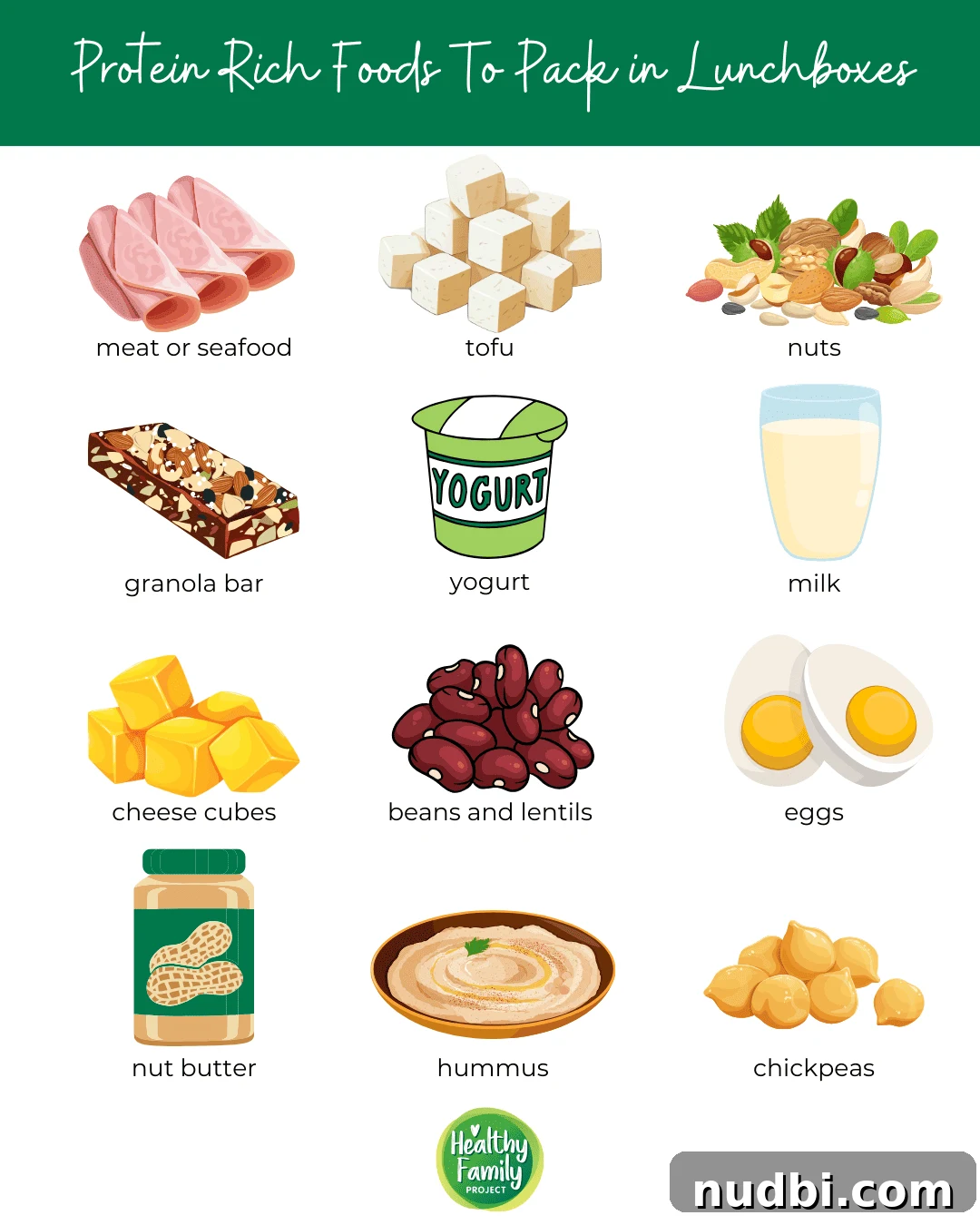
Here are some protein-rich foods that you can include in your child’s lunch:
- 1 oz of lean meat, poultry, or seafood
- ¼ cup tofu or edamame
- ½ oz nuts (e.g., almonds, peanuts, cashews, or a small handful of trail mix – check for school nut policies!)
- 1 protein-fortified granola bar (read labels for sugar content)
- 1 yogurt cup (6 oz, plain or low-sugar options preferred)
- 6-8 oz milk (dairy or fortified plant-based milk)
- 1 oz cheese (e.g., a cheese stick, sliced cheese)
- ¼ cup cooked beans or lentils
- 1 hard-boiled egg
- 1 tablespoon peanut butter or other nut/seed butter (again, check school policies)
- 2 tablespoons hummus
- ½ cup roasted chickpeas for a crunchy, savory snack
Choose Whole Grains for Sustained Energy and Fiber
After protein, ensuring your child has at least one serving of whole grains in their lunch is key. Whole grains are nutritional powerhouses, packed with essential B vitamins, minerals like iron and magnesium, and crucial dietary fiber. Unlike refined grains, which have been stripped of their bran and germ (and thus much of their nutrient content), whole grains provide a steady release of energy, helping your child stay full and focused longer. The fiber content in whole grains also supports digestive health and contributes to that feeling of sustained fullness.
The general recommendation is that at least 50% of your daily grain intake should come from whole grains. When selecting bread, crackers, or pasta for lunchboxes, always check the nutrition facts label. Look for “whole wheat,” “whole oats,” “brown rice,” or “quinoa” as the first ingredient to ensure you’re making a whole grain choice. Swapping white bread for whole wheat, or regular pasta for whole grain pasta, is a simple yet impactful change.
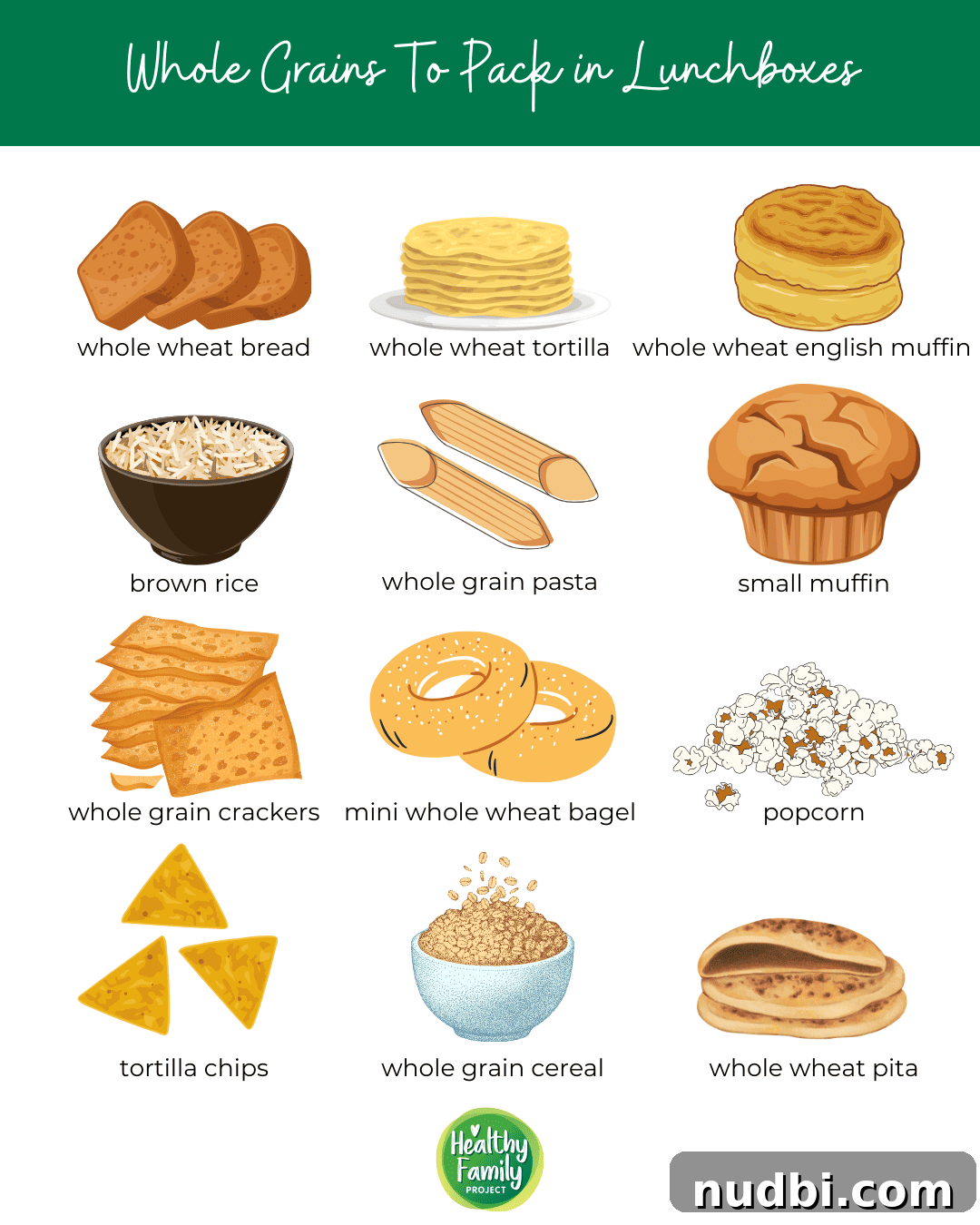
Here are some grains that you can include in your child’s lunch:
- 1 slice of whole wheat bread (for sandwiches or toast)
- 1 whole wheat tortilla (for wraps or quesadillas)
- ½ whole wheat English muffin
- ½ cup cooked brown rice or wild rice
- ½ cup whole grain pasta (perfect for pasta salads)
- 1 small whole grain muffin (homemade with less sugar is ideal)
- 5 whole grain crackers
- 1 small or mini whole wheat bagel
- 3 cups air-popped popcorn (a surprisingly good whole grain snack!)
- 1 oz baked tortilla chips (opt for whole grain versions)
- 1 cup whole grain cereal (low sugar)
- ½ whole wheat pita bread
Fruits & Veggies: A Colorful Boost of Vitamins and Fiber
No healthy school lunch is complete without a vibrant array of fruits and vegetables! These nutrient powerhouses provide essential vitamins, minerals, antioxidants, and fiber, crucial for overall health and disease prevention. Aim to pack at least one serving of fruit and one serving of vegetables in every lunch. The more color, the better, as different colors often signify different nutrient profiles.
Getting kids to eat their veggies can sometimes be a challenge, but creativity helps. Vegetables can be incorporated into sandwiches, added to pasta salads, or served on their own with a kid-friendly dip like a little bit of ranch or hummus. Fruits are often naturally sweet and can be considered a delightful “dessert” that your child can enjoy at the end of their meal, satisfying their sweet tooth in a healthy way.
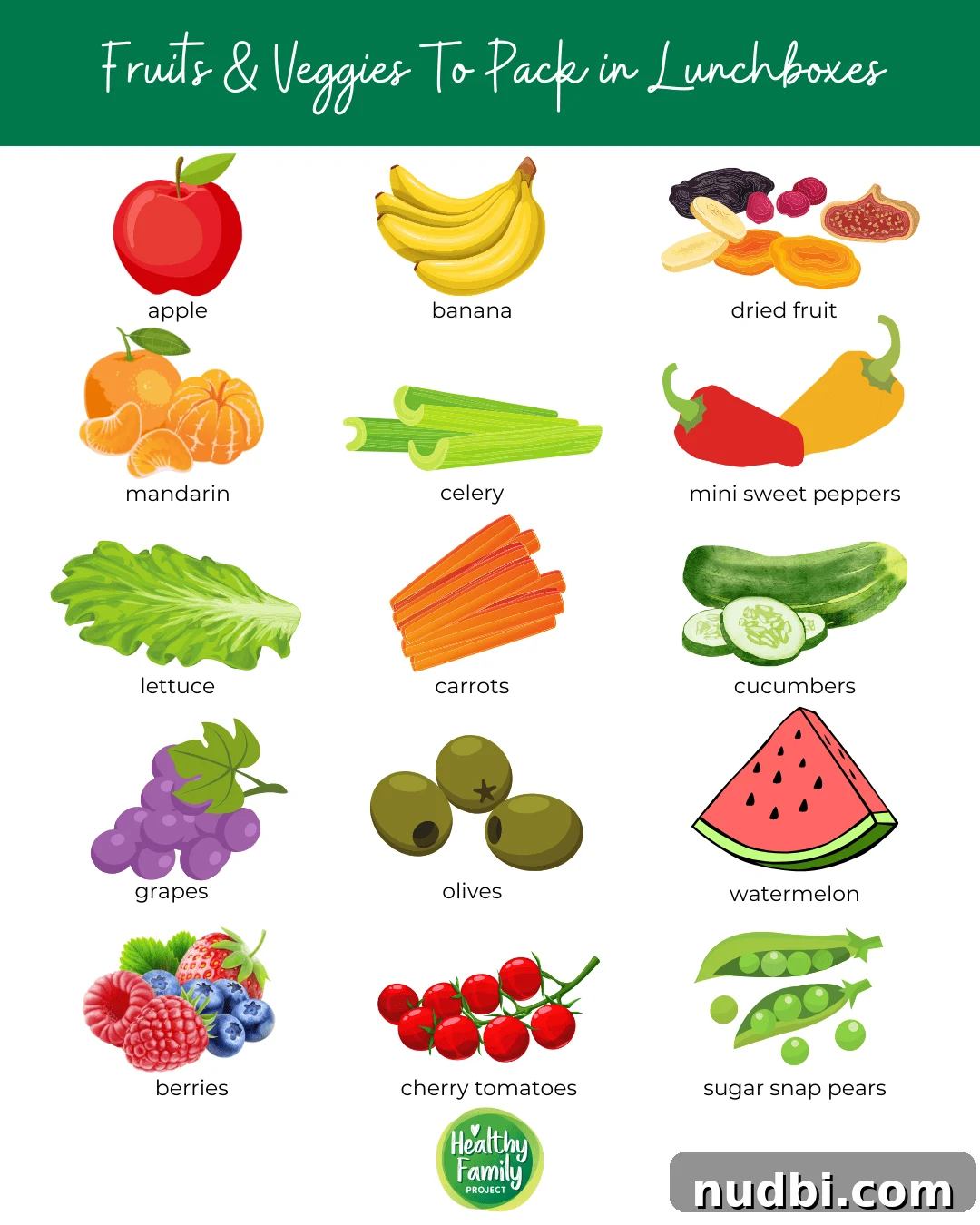
Here are some examples of a serving of fruits and vegetables:
- 1 small apple or ½ large apple (sliced to prevent browning)
- 1 medium banana
- ¼ cup dried fruit (e.g., raisins, cranberries – in moderation due to concentrated sugar)
- 1 cup grapes, berries, or melon cubes
- 1 mandarin orange or small orange
- 1 cup no-sugar-added applesauce pouch or cup
- 1 cup 100% fruit juice (limit to small portions, whole fruit is better)
- 1 cup leafy greens like lettuce or spinach (in a salad or sandwich)
- 1 cup sliced carrots, cucumbers, cherry tomatoes, sugar snap peas, celery sticks, or mini sweet peppers
- 1 fruit cup, packed in 100% juice (avoid syrup-packed)
- 1 small kiwi (peeled and sliced for easier eating)
- 2 Tbsp. guacamole (a great source of healthy fats too!)
- 5 olives
Include Healthy Fats for Brain and Body
Healthy fats are often overlooked but are essential for a child’s development, particularly brain health and hormone production. They also contribute to satiety, helping children feel full and satisfied. Good fats are critical for absorbing fat-soluble vitamins (A, D, E, K).
Sources of healthy fats include avocados, nuts and seeds (if permitted at school), olive oil, and fatty fish. A small amount goes a long way. Consider adding a slice of avocado to a sandwich, a sprinkle of seeds on a salad, or a dip like guacamole or hummus (which contains olive oil).
Examples of Healthy Fats for Lunchboxes:
- ¼ avocado, sliced
- 1 tbsp nut butter (e.g., almond, cashew) or seed butter (e.g., sunflower seed butter)
- Small handful of seeds (e.g., pumpkin, sunflower, chia)
- Olives
- Guacamole
- Full-fat yogurt (plain)
Don’t Forget Hydration!
Water is arguably the most critical nutrient for children, yet it’s often forgotten in lunchboxes. Dehydration can lead to fatigue, headaches, and difficulty concentrating, all of which negatively impact a child’s learning and mood. Always include a reusable water bottle in your child’s lunch. Encourage them to drink water throughout the day, not just during lunch. Avoid sugary drinks like sodas and fruit “drinks,” which offer empty calories and can lead to energy crashes. Milk (dairy or fortified plant-based) is also a good option for hydration and nutrients.
Monitoring and Adjusting: The Perfect Lunch is a Journey
While the guidelines above provide a solid framework, remember that every child is unique. Their appetite, preferences, and energy needs can vary daily. It’s important to check your child’s lunch bag when the day is over to see what and how much was eaten. This feedback is invaluable. Ask your child if they ate all their lunch, if it was too much, too little, or if there was something they didn’t enjoy. Adjust accordingly for the next day or week. There’s no such thing as a “perfect lunch” that works for every child, every time. The goal is to experiment, observe, and find what works best for your individual child, making small, consistent improvements along the way.
Here are Additional Tips to Help Create a Great Lunch Your Child Will Eat:
- **Keep it Organized and Inviting:** An organized lunchbox that separates foods by bags or containers can look much more appealing. When food isn’t jumbled together, children are often more willing to eat it. Check out some of our favorite containers for inspiration.
- **Variety is Key:** Serving the same lunch day after day can lead to boredom and uneaten food. Try rotating meals and incorporating different textures, colors, and flavors throughout the week. This Build Your Own Lunchbox guide will provide you with a wealth of options and help you plan varied meals effortlessly.
- **Get Your Child Involved!** As mentioned, involving your child in the decision-making and preparation process significantly increases their likelihood of eating what’s packed. Ask what fruits or veggies they’d like, or let them wash grapes or assemble their sandwich.
- **Teach Them to Prepare:** Empower your child with the skills to eventually pack their own healthy, balanced lunch. Start with simple tasks and gradually increase their responsibilities. This life skill will benefit them for years to come.
- **Make Their Lunch Fun!** Food can be an adventure. Use a variety of colors in the lunchbox to make it visually appealing. Consider cutting sandwiches, fruits, and veggies into fun shapes using cookie cutters. A small note or drawing can also add a touch of love and encouragement.
- **Prioritize Food Safety:** For packed lunches, especially those containing perishable items like dairy, meat, or cut fruits, always include an ice pack to keep food at a safe temperature until lunchtime. Teach children to wash their hands before eating.
- **Batch Prep for Busy Weeks:** Dedicate some time on the weekend to wash and chop vegetables, portion out snacks, or even prepare components of meals (e.g., cook a batch of quinoa or hard-boil eggs). This can save valuable time during hectic weekday mornings.
With these comprehensive guidelines, preparing your child’s lunch should feel less like a chore and more like an exciting culinary challenge. You now have the tools to combine foods from each essential category to create an endless variety of sandwiches, salads, wraps, Bento-style boxes, and other tasty, nutritious creations. Don’t be afraid to experiment with a few new options each week, but also feel free to stick to a few trusty favorites. After all, if one healthy school lunch idea consistently works and gets eaten, that’s a huge victory!
If you’re seeking even more ideas for efficient and healthy lunchbox meal prepping, make sure to check out Episode 7 of the Healthy Family Project podcast. There, you’ll find expert tips from meal planning guru, Brenda Thompson of Meal Planning Magic!