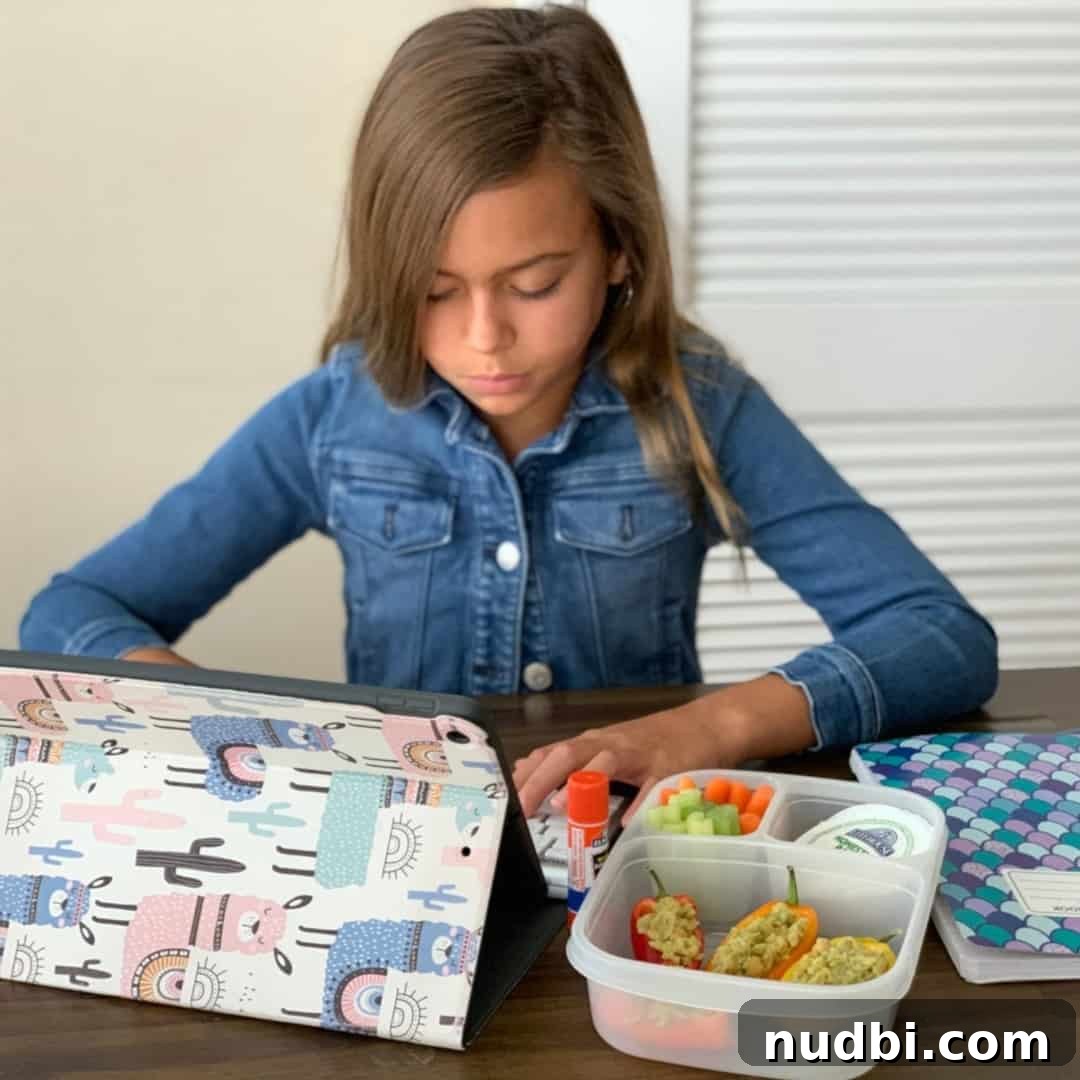
Navigating the new academic landscape often means kids will be engaging in virtual learning. This comprehensive guide offers practical distance learning tips designed to make learning at home as smooth and stress-free as possible for the entire family.
Mastering Distance Learning: Essential Tips for Families Navigating Virtual School
The dawn of a new school year typically brings a mix of excitement and anticipation. However, for many families, recent years have replaced these familiar feelings with uncertainty and anxiety, as the prospect of virtual or hybrid learning models becomes a reality. Parents are faced with complex decisions, weighing the benefits and challenges of in-person schooling against the flexibility and safety of remote education. Rest assured, you are not alone in this journey. As fellow parents, our team understands the complexities involved in these choices, and we are here to offer unwavering support, regardless of the path your family chooses for the upcoming academic year. This space is dedicated to providing helpful, judgment-free advice to empower your family.
Drawing from our collective experience tackling several months of unexpected distance learning, our team of dedicated parents has compiled a robust list of strategies. These insights are aimed at transforming your home into an effective, part-time learning hub where your children can thrive academically, feel comfortable, and perform at their absolute best. From establishing routines to nurturing independence, these tips are designed to build a foundation for successful virtual schooling.
Cultivate a Dedicated Learning Environment for Remote Education
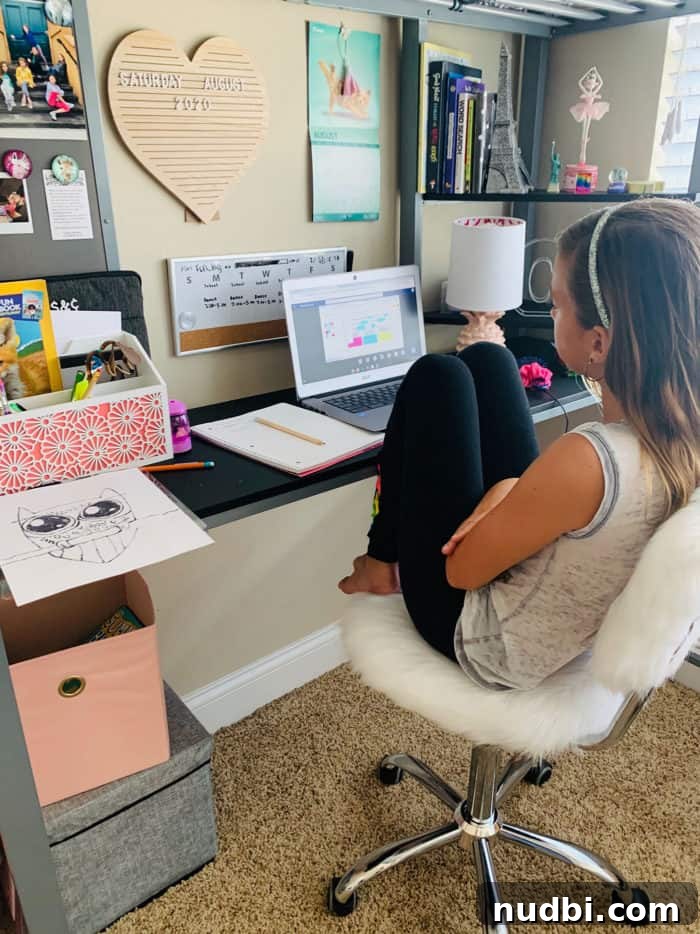
One of the foundational elements for successful virtual learning is establishing a clear distinction between home life and school life. Children are accustomed to the structured environment of a traditional classroom, where walking through the door signals the start of academic engagement. At home, these boundaries can easily blur, making it challenging for kids to shift into “school mode” when potential distractions abound. To mitigate this, designating a specific area for schoolwork is paramount.
Whether you have the luxury of dedicating an entire room or you utilize a quiet corner of your living space, choose an area that can consistently serve as their temporary “classroom.” Consistency is key, as children thrive on routine and predictability. This dedicated space helps mentally prepare them for learning and minimizes interruptions. Consider the following:
- Choose a Serene Location: Select a spot that is as quiet and free from potential distractions as possible. This might mean setting up a desk away from common play areas, televisions, or high-traffic zones within your home. If a completely silent space isn’t feasible, consider noise-canceling headphones for your child.
- Personalize and Equip the Space: Make the learning area inviting and functional. Stock it with essential school supplies, reference books, educational posters, and any fun, decorative items that your child enjoys. Allowing them to personalize their space can foster a sense of ownership and excitement about learning. Ensure the area has good lighting, a comfortable chair, and a stable surface for their computer or materials.
- Prioritize Eye Health with Blue Light Glasses: With increased screen time being an inherent part of virtual learning, consider investing in blue light blocking glasses. These glasses are designed to filter out harmful blue light emitted from digital screens, which can significantly help in reducing eye strain, preventing headaches, and potentially improving sleep quality by not disrupting melatonin production.
- Maintain Organization with Smart Storage: To prevent clutter from accumulating, keep a bin, small set of drawers, or a simple shelf nearby. This allows children to easily access all their necessary supplies at the start of the school day and, importantly, put them away neatly once learning concludes. A tidy space contributes to a tidy mind and a more focused learning experience.
Implement a Structured Daily Schedule for Virtual Schooling
While the morning rush to catch the school bus might be a thing of the past for virtual learners, the importance of a consistent daily schedule remains paramount. A well-structured routine provides a sense of normalcy and predictability, which is incredibly beneficial for children, especially during times of change and uncertainty. It helps them transition mentally into “school mode” and manage their energy levels throughout the day.
Establishing a clear schedule that outlines specific times for waking up, eating breakfast, and transitioning to their designated learning space creates a predictable rhythm. This routine should extend beyond just class times to include breaks, physical activity, and even family interaction. For instance, knowing that Zoom calls start at a particular time helps children prepare adequately, minimizing last-minute stress. A schedule also teaches valuable time management skills. Consider:
- Morning Routine: Mimic a traditional school day as much as possible. A consistent wake-up time, breakfast, and getting dressed can signal the start of the academic day, even if they’re not leaving the house.
- Scheduled Breaks: Integrate short, regular breaks throughout the day, similar to recess or passing periods. These allow children to stretch, move around, grab a snack, or simply decompress from screen time. Longer lunch breaks are also essential for recharging.
- Physical Activity: Incorporate time for physical activity, whether it’s a walk outside, some indoor exercises, or free play. This is crucial for both physical and mental well-being and can significantly improve focus during learning periods.
- After-School Routine: Establish a clear end to the school day. This helps children switch off from academics and transition into leisure or family time, preventing burnout and promoting a healthy work-life balance even at home.
Familiarize Yourself with Online Learning Platforms and Tools
A recurring challenge faced by many families during previous stints of virtual learning, as highlighted by our team of moms, was grappling with technical difficulties and unfamiliar online systems. While every IT glitch might not be entirely avoidable, a proactive approach to understanding your child’s learning platforms can significantly reduce stress and improve the overall remote education experience for everyone involved.
Before the school year begins, or as early as possible, dedicate time to thoroughly explore the online platforms your child will be using. This means logging in, clicking around, and understanding the interface. Identify where key information is located, such as:
- Assignment Submission Portals: Know exactly how and where assignments need to be turned in. Are they uploaded directly, submitted via email, or marked complete on a checklist? Understanding this process prevents missed deadlines.
- Grade and Progress Tracking: Learn how to access your child’s grades, feedback, and overall academic progress. This allows you to stay informed and address any potential issues promptly.
- Communication Channels: Determine the best way to contact your child’s teachers for questions, concerns, or technical support. Is it via email, a messaging system within the platform, or scheduled virtual office hours? Clear communication lines are vital.
- Virtual Classroom Navigation: Understand how to join live sessions, access recorded lessons, and utilize interactive features like chat functions or breakout rooms. This preparation ensures your child can fully participate without technical hurdles.
A little upfront investment in platform familiarity can save countless hours of frustration and ensure a smoother transition into the rhythm of virtual learning. Empowering yourself with this knowledge means you can better support your child and quickly troubleshoot minor issues, fostering a more independent and successful online learner.
Promote Organization: Agendas and Online Calendars for Virtual Students
In a traditional classroom setting, teachers often act as a crucial external reminder system, regularly announcing deadlines, reviewing upcoming assignments, and guiding students through their academic responsibilities. In the realm of virtual learning, particularly depending on the platform and the structure of the school day, direct face time with teachers might be reduced. This shift places a greater emphasis on students developing strong self-management and organizational skills. Equipping your child with the habit of using an agenda or an online calendar is an invaluable step towards fostering independence and ensuring they stay on track with their studies.
Encouraging the consistent use of an organizational tool helps children develop essential executive function skills, such as planning, prioritizing, and managing time. Here’s how to make it effective:
- Physical Agendas: For younger students or those who prefer a tactile experience, a physical planner can be very effective. Teach them to write down daily tasks, homework assignments, project due dates, and even upcoming tests. Make it a routine to review and update it together at the beginning or end of each school day.
- Digital Calendars: For tech-savvy students, an online calendar (like Google Calendar or a school-provided platform) can be an excellent tool. They can set reminders for virtual classes, assignment due dates, and study blocks. This also allows for easy sharing with parents, providing transparency and opportunities for guided oversight.
- Break Down Big Projects: Teach your child how to break larger assignments or projects into smaller, manageable steps and schedule these steps into their agenda or calendar. This approach makes daunting tasks less overwhelming and helps prevent last-minute cramming.
- Regular Check-ins: Initially, plan regular check-ins with your child to review their agenda or calendar. This provides an opportunity to discuss upcoming assignments, prioritize tasks, and address any potential roadblocks. As they grow more proficient, you can gradually reduce the frequency of these check-ins, fostering greater autonomy.
By empowering your children to actively manage their academic schedule, you’re not only helping them succeed in virtual learning but also instilling life skills that will serve them well beyond their school years.
Establish Clear Boundaries for a Harmonious Home Learning Environment
One of the most challenging aspects of virtual learning, especially when parents are also working from home, is managing the inevitable overlap between personal and professional responsibilities. Children, accustomed to your presence, might naturally gravitate towards you for every minor hiccup, question, or just for company. Without clear boundaries, both your productivity and their ability to work independently can suffer. Setting explicit boundaries is not about being harsh; it’s about creating a structured environment that respects everyone’s need for focus and promotes a sense of independence in your children.
Based on our own experiences, like establishing a specific “office hour” in the afternoon for questions, creating these zones of focus is crucial. Here are some strategies to implement effective boundaries:
- Define “Working Hours” for Everyone: Just as you have your work schedule, help your children understand their school hours. Explain that during certain times, you are also working and cannot be interrupted for non-urgent matters. Similarly, when they are in their virtual classes or working on assignments, they should minimize interruptions to you.
- Visual Cues: Use visual signals to indicate when you are unavailable. This could be a “do not disturb” sign on your door, a specific hat you wear while working, or even just closing your office door. Teach your children what these cues mean.
- Scheduled Check-in Times: Instead of continuous interruptions, designate specific times for questions or discussions. For example, you could say, “I’ll be available to answer school questions between 11:00 AM and 11:30 AM, and again from 3:00 PM to 3:30 PM.” This teaches them to consolidate their questions and think critically about whether an issue truly requires immediate attention.
- Empower Problem-Solving: Before they come to you, encourage your children to try and solve the problem themselves. Ask guiding questions like, “What have you tried so far?” or “Where might you look for that answer?” This fosters self-reliance and critical thinking.
- Emergency Protocol: Clearly define what constitutes an actual emergency that warrants immediate interruption (e.g., a technical meltdown, feeling unwell, or a safety concern). This ensures they know they can always reach you when it truly matters.
By implementing these boundaries, you create a more predictable and productive environment for both your virtual learners and yourself, fostering independence and reducing overall household stress.
Simplify Mealtimes: Pack Lunchboxes and Healthy Snacks for Virtual School
Lunch and snack times are vital components of the school day, regardless of whether children are learning at home or in a traditional classroom setting. They offer a much-needed break, a chance to refuel, and an opportunity to reset for the next block of learning. Establishing a habit of packing lunchboxes, even for at-home learning, can bring structure to the day, promote healthy eating, and significantly reduce mid-day stress for parents.
Treating lunch like a school-day event, complete with a packed bento box, ensures that healthy, pre-portioned meals are readily available. This not only saves time during the busy workday but also minimizes the temptation to reach for less nutritious, easy-to-grab options. Consider preparing lunches the night before or even packing ahead for the entire week to streamline your routine.
To support your efforts in providing nutritious and appealing meals, we’ve curated an extensive collection of resources:
- Discover over 70 healthy lunchbox ideas, catering to a variety of dietary preferences and needs. This includes creative vegetarian options, delicious non-sandwich alternatives, make-ahead recipes for busy weeks, and nut-free choices suitable for all children.
- Explore some of our personal favorite at-home lunch ideas specifically designed for kids, ensuring variety and appeal.

In addition to wholesome lunches, keeping a selection of easy, nutritious snacks on hand is crucial for sustained energy and focus throughout the day. Frequent, balanced snacks can prevent energy slumps and keep young minds sharp. Check out some of our top picks for healthy snack options:
- Build Your Own Trail Mix: A customizable snack packed with nuts, seeds, dried fruit, and a little treat, offering sustained energy.
- No-Bake Cranberry Pistachio Bites: Quick to make, these bites are full of healthy fats and natural sugars for an energy boost.
- Ham, Apple & Cheese Wraps: A protein-packed, savory-sweet snack that’s easy to prepare and highly satisfying.
- Homemade Ranch Hummus Dip: A flavorful and healthy dip perfect with veggie sticks, crackers, or pretzels.
- Mini Zucchini Bread Muffins: A delicious way to sneak in vegetables, these muffins are perfect for a quick, wholesome bite.
Embrace Flexibility: Give Yourself Grace During Virtual Learning
The journey of virtual learning is often a path filled with unexpected turns, and it’s essential to remember that you are navigating uncharted territory. We are living through unprecedented times, and if you find yourself feeling anxious, stressed, or overwhelmed by the uncertainties of remote schooling, please know that you are not alone. These feelings are valid and widely shared among parents globally. It’s crucial to approach this experience with self-compassion and flexibility.
There will undoubtedly be a learning curve, not just for your children, but for you as a parent, and for their educators. Adjustments will need to be made constantly, and not every day will go according to plan. There will be days when technology fails, when schedules are disrupted, or when motivation wanes. On these days, the most important thing you can do is to give yourself grace. Take a deep breath, acknowledge the challenges, and remember that perfection is an unrealistic and unhelpful goal in these circumstances.
- Focus on Progress, Not Perfection: Celebrate small victories and recognize the effort everyone is putting in, rather than fixating on what might not be going perfectly.
- Be Flexible: Routines are important, but so is adaptability. If a particular schedule isn’t working, don’t be afraid to tweak it. If a lesson isn’t sticking, try a different approach.
- Seek Support: Connect with other parents, join online communities, or lean on friends and family. Sharing experiences and advice can be incredibly validating and helpful.
- Prioritize Well-being: Remember that your mental and emotional health are just as important as your child’s academic success. Take moments for yourself to recharge.
- It’s a Marathon, Not a Sprint: View this period as an ongoing learning process. There will be good days and bad days, but each one offers an opportunity to learn and grow together as a family.
Remember, we are all in this together. Empathy, patience, and a willingness to adapt are your greatest assets during this unique period of educational evolution.

For even more in-depth guidance and expert perspectives on thriving in a virtual learning environment, we invite you to explore Episode 51 of the Healthy Family Project podcast. In this insightful episode, I had the pleasure of sitting down with my dear friend and highly experienced educator, Tanya Acosta. Tanya shares her invaluable top tips and strategies for achieving success in distance learning, drawing from her extensive background in education.
You can listen to this enriching episode directly here, or conveniently download it on your preferred podcasting platform. Find us on Apple Podcasts, Google Podcasts, or any other site where you typically access your podcasts. We believe the practical advice shared in this episode will provide additional support and actionable steps for your family’s virtual learning journey.
We sincerely hope that these comprehensive tips empower your family to kick off the school year on a confident and positive note, regardless of the learning model you’re engaging with. Your experiences and insights are invaluable to our community. If you have any questions, or if you’d like to share additional distance learning tips that you’ve found particularly helpful for your family, please don’t hesitate to share them in the comments section below. Together, we can build a supportive network for successful virtual education.