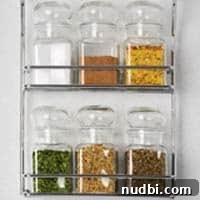
In the culinary world, herbs are true game-changers, offering an effortless way to infuse depth and vibrancy into dishes without relying on excessive salt or unhealthy fats. They elevate everyday meals, transforming simple ingredients into memorable experiences. While fresh herbs boast a certain appeal with their bright colors and immediate aroma, they often come with a common dilemma: how many times have you purchased a bunch of fragrant fresh herbs, only to find them wilted, brown, and unusable in the back of your refrigerator just days later? This familiar frustration often leads to food waste and a feeling of missed opportunity in the kitchen.
This is precisely why dried herbs are an indispensable asset for any home cook. Far from being a mere compromise, dried herbs offer a convenient, cost-effective, and equally flavorful alternative, especially beneficial during colder months when fresh varieties can be scarce, expensive, or simply not as vibrant. Embracing dried herbs means having a pantry stocked with culinary potential, ready to transform your cooking at a moment’s notice. They are the secret weapon for consistent flavor, regardless of the season or your grocery store’s stock. With the right approach, cooking with dried herbs can be just as, if not more, rewarding than using their fresh counterparts. Let’s dive into five essential tips that will empower you to unlock the full flavor potential of dried herbs in all your culinary adventures.
Mastering Dried Herbs: 5 Essential Tips for Flavorful Cooking
Dried herbs are a powerhouse of concentrated flavor, offering convenience and longevity that fresh herbs often cannot. By understanding how to properly select, store, and utilize them, you can elevate your cooking to new heights, creating dishes that burst with aromatic richness. These tips will help you navigate the world of dried herbs with confidence and creativity.
- A Little Goes a Long Way: Understanding Potency and Substitution
One of the most crucial distinctions between fresh and dried herbs lies in their potency. When herbs are dried, their volatile oils—the compounds responsible for their distinctive aromas and flavors—become highly concentrated. This means a little dried herb packs a significantly bigger punch than its fresh equivalent. This concentration also contributes to their economic advantage, as dried herbs are typically more affordable and last much longer in your pantry.
When substituting dried for fresh herbs in a recipe, a general rule of thumb is to use one-third the amount of dried herb compared to fresh. For instance, if a recipe calls for 1 tablespoon of fresh basil, you would use 1 teaspoon of dried basil. This 3:1 ratio (fresh to dried) serves as an excellent starting point, but always remember that taste is subjective, and adjustments can be made based on your personal preference and the specific herb in question. Some robust herbs like dried oregano or rosemary can be quite strong, while more delicate herbs like dried dill might require a slightly more generous hand.
This substitution strategy is particularly useful for recipes that only require a small amount of an herb, preventing you from buying an entire bunch of fresh herbs just for a sprig or two. Whether you’re making a hearty stew, a savory sauce, or a simple marinade, understanding this potency difference allows you to achieve balanced and rich flavors consistently, making dried herbs an incredibly efficient and effective culinary tool.
- Optimal Storage for Lasting Flavor: Preserving Your Dried Herb Collection
The longevity and flavor integrity of your dried herbs heavily depend on proper storage. While they certainly outlast fresh herbs, dried herbs are not immortal; their essential oils and aromatic compounds can degrade over time if exposed to adverse conditions. Heat, moisture, and direct sunlight are the primary enemies of dried herbs, accelerating the loss of their vibrant flavors and aromas.
To ensure your dried herbs retain their peak potency, store them in airtight containers, ideally made of glass, in a cool, dark, and dry place. Avoid storing them above the stove, near the oven, or in direct sunlight on a windowsill, as these locations expose them to fluctuating temperatures and light that will quickly diminish their quality. A pantry cabinet or a dark drawer away from heat-generating appliances is ideal.
When stored correctly, most dried herbs will maintain their quality for approximately six months to one year. After this period, they won’t necessarily spoil in a way that makes them unsafe to eat, but their flavor will gradually fade, leaving your dishes less impactful. To test for freshness, simply rub a small amount of the herb between your fingers; if a strong aroma is released, it’s still good to use. If it smells like dust, it’s time to replace it. Proper storage not only extends the life of your herbs but ensures that every pinch contributes maximum flavor to your cooking.
- Unleash Creativity with Homemade Spice Mixes: Beyond the Store-Bought Blend
Pre-packaged spice mixes can be convenient, but they often come with hidden downsides: high sodium content, artificial preservatives, anti-caking agents, and sometimes an imbalanced flavor profile. Taking control of your spice cabinet by making your own homemade mixes is a game-changer for both health and flavor customization. It allows you to precisely control the ingredients, adjust the sodium levels, and tailor the heat intensity to suit everyone at your table—especially picky eaters!
Crafting your own blends opens up a world of culinary possibilities. You can create a signature Italian seasoning with just the right balance of oregano, basil, thyme, and rosemary, or a vibrant curry powder that perfectly suits your palate. Beyond our kid-approved homemade taco seasoning, consider experimenting with blends for poultry, chili, seafood, or even everyday vegetable seasonings. The process is simple: combine your desired dried herbs and spices, mix them thoroughly, and store them in an airtight jar. Not only is it a more economical approach in the long run, but it also ensures that you’re cooking with the freshest and purest ingredients, free from any unwanted additives. This personalized approach to spice blending allows for endless creativity and guarantees that your meals are perfectly seasoned to your exact preference.
- Add at the Start of Cooking: Maximizing Flavor Release
Unlike fresh herbs, which are often added towards the end of cooking to preserve their delicate oils and bright flavors, dried herbs and spices benefit immensely from being introduced early in the cooking process. The key reason for this timing is rehydration. Dried herbs need time, heat, and moisture to fully rehydrate and release their concentrated flavors and aromatic compounds into your dish.
When you add dried herbs at the beginning—for instance, when sautéing aromatics like onions and garlic, or simmering a sauce—they have ample opportunity to absorb liquids, soften, and meld their flavors deeply into the overall composition of the meal. This slow infusion allows their complex notes to develop and integrate, rather than just sitting on top of the other flavors. For dishes like soups, stews, braises, casseroles, and marinades, early addition is paramount. It ensures that the herbs contribute a foundational layer of flavor that permeates every bite.
Imagine a rich tomato sauce; adding dried oregano and basil early allows them to bloom in the simmering liquid, releasing their full potential and creating a more cohesive, deeply flavored sauce. If added too late, the herbs might remain somewhat stiff and their flavors less integrated. By understanding this principle, you can ensure that your dried herbs don’t just exist in your dish, but truly shine and contribute their maximum aromatic impact.
- Explore in Bulk: Smart Buying for Variety and Savings
Embarking on a culinary journey with dried herbs can lead to exciting discoveries, but it’s important to approach buying strategically. While staples like dried basil, oregano, and Italian seasoning are likely to be frequent residents in your spice rack, you might want to experiment with less common varieties such as sumac, cardamom, marjoram, or tarragon. The smart way to explore new-to-you herbs and spices is to purchase them in smaller quantities first.
Many specialty grocery stores, health food stores, or even online retailers offer dried herbs in bulk bins, allowing you to buy just a teaspoon or two. This minimizes waste and allows you to test flavors without committing to a large, potentially unused jar. Once you discover an herb you love and find yourself reaching for frequently, then it’s time to consider buying it in larger quantities. Purchasing your most-used dried herbs and spices in bulk can lead to significant cost savings per ounce compared to buying small, pre-packaged jars. It’s also a more environmentally friendly option, reducing packaging waste.
When buying in bulk, always ensure the herbs look vibrant, are free from clumping, and, most importantly, possess a strong, fresh aroma. A visual inspection and a quick sniff test can tell you a lot about the quality. By adopting this two-tiered buying approach—small for experimentation, bulk for favorites—you can build a diverse and high-quality spice collection efficiently and economically, empowering you to explore a wider spectrum of global flavors in your home kitchen.
Dried herbs are truly kitchen heroes, transforming simple ingredients into memorable meals with their concentrated flavors and remarkable convenience. They offer a reliable and versatile alternative to fresh herbs, eliminating waste and ensuring consistent taste throughout the year. From understanding their potency and ensuring proper storage to crafting your own unique spice blends and knowing precisely when to introduce them during cooking, mastering these five tips will undoubtedly elevate your culinary skills.
So, which dried herb do you find yourself reaching for most often, lending its magic to your everyday dishes? Perhaps you’re keen to experiment with a new one, eager to unlock fresh aromas and flavors in your next recipe. Share your favorites and your culinary aspirations!