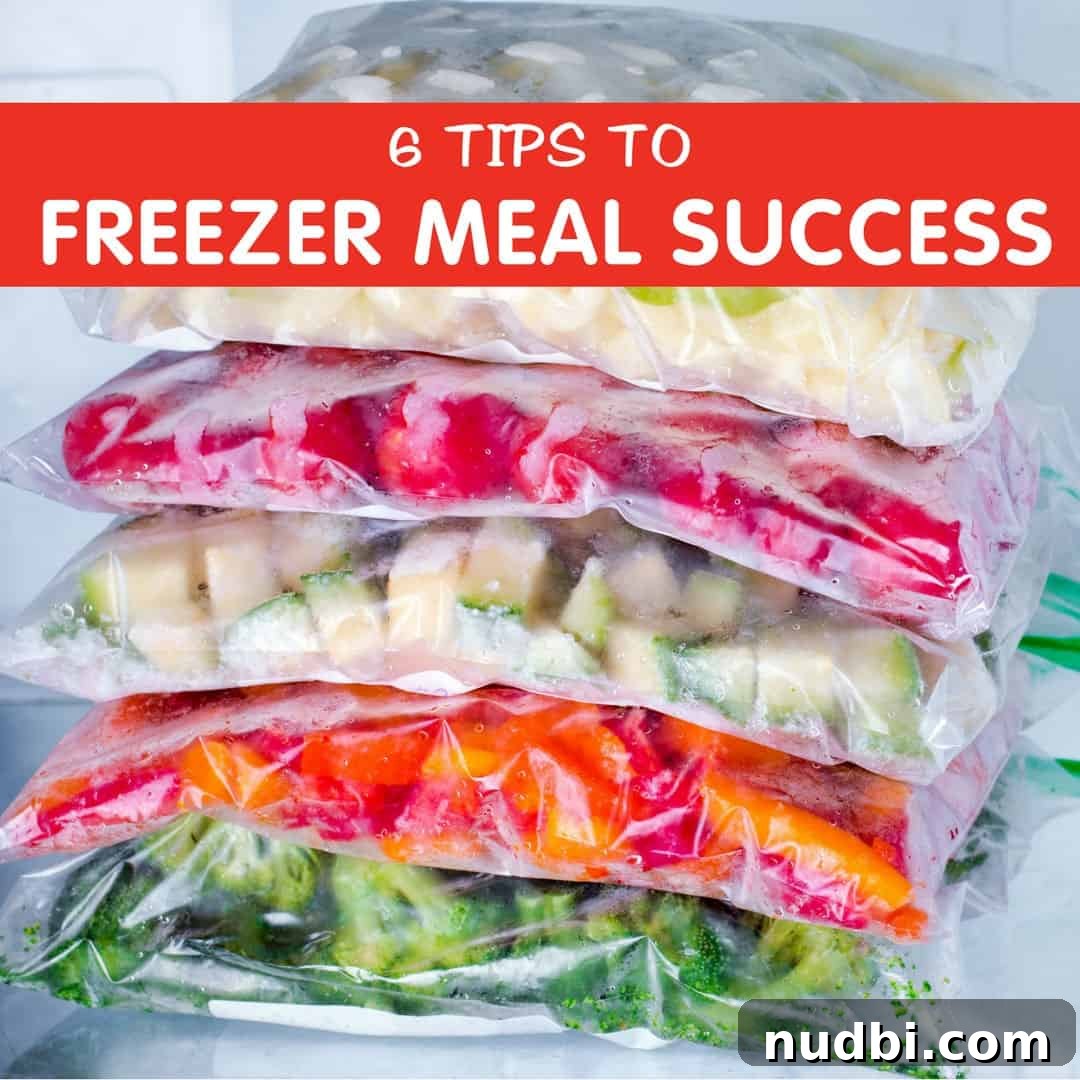
Unlock Culinary Freedom: 6 Essential Tips for Freezer Meal Success
Imagine a kitchen where stress is minimal, mealtime is simple, and healthy, delicious food is always within reach. This isn’t a fantasy; it’s the reality that freezer meal prep can create for you and your family. Filling your freezer with thoughtfully prepped meals is a game-changer, offering a powerful strategy to save precious time, reduce food waste, and significantly cut down on grocery expenses. By embracing the art of batch cooking and leveraging sales at your local grocery store or wholesale clubs, you can build a formidable arsenal of ready-to-heat meals. This proactive approach not only keeps your family well-fed but also minimizes the temptation of expensive and often less healthy takeout options. Whether you’re a seasoned meal prepper or entirely new to the concept, these 6 indispensable tips are designed to guide you toward freezer meal success, transforming your kitchen into a hub of efficiency and culinary innovation.
For many, the idea of diving into meal preparation or crafting freezer meals can feel daunting. The initial steps might seem overwhelming, painting a picture of endless hours spent in the kitchen. However, once you embark on this journey, you’ll quickly realize the immense value it adds to your daily life. Freezer meals are a secret weapon, particularly for navigating the demanding rhythm of super busy weeknights. They empower you to serve wholesome, home-cooked meals even when time is scarce, fostering more quality family time around the dinner table. These expertly curated tips will fast-track your cooking and prepping skills, allowing you to enjoy the fruits of your labor with your loved ones in no time at all.
6 Tips for Freezer Meal Success
#1 – You Can Freeze Almost Everything!
One of the most liberating truths about freezer meal prepping is just how versatile your freezer can be. You’d be genuinely surprised by the vast array of ingredients that lend themselves perfectly to freezing. From raw proteins to cooked dishes, your freezer is a powerful tool for preserving food and locking in flavor. Meats and seafood, for instance, freeze exceptionally well, maintaining their quality for extended periods. The same goes for a wide variety of fruits and vegetables, offering a convenient way to capture peak season freshness year-round. For more insights on maximizing your frozen produce, explore resources like Healthy Family Project’s 10 Favorite Frozen Fruits and Vegetables to Always Have On Hand and discover creative ways to incorporate them into your meals.
While many items freeze beautifully, some, particularly those with a higher water content like onions, bell peppers, berries, or leafy greens, may undergo a textural change once thawed. This doesn’t mean they can’t be frozen; it simply means their intended use might shift. For example, thawed berries might be too soft for a fresh fruit salad but are absolutely perfect for smoothies, sauces, or baked goods. Similarly, pre-chopped and frozen onions or peppers might lose some crispness, but they are ideal for adding to soups, stews, casseroles, or stir-fries where texture is less critical. The key is understanding these nuances and adapting your cooking plans accordingly. Don’t let a slight change in texture deter you; embrace the flexibility and convenience that freezing offers for almost any ingredient.
#2 – A Quick Guide to Efficient Freezer Storage
Optimizing your freezer space is crucial, especially if it’s at a premium. Learning how to efficiently store your freezer meals ensures you can maximize capacity and easily retrieve what you need. Thoughtful packaging not only saves space but also protects your food from freezer burn and preserves its quality. Here are some indispensable tips for smart freezer storage:
- Zip-Top Bags: These are incredibly versatile for storing raw ingredients you’ll thaw and cook later, as well as prepared sauces, soups, and marinades. For raw ingredients, you can combine everything needed for a meal (like chicken and a marinade) in one bag. This allows the ingredients to marinate as they thaw, saving you an extra step later. Always press out as much air as possible before sealing and flatten the bag. This creates compact, stackable portions that save significant freezer space. Double-bagging can offer an extra layer of protection against leaks and freezer burn for liquids.
- Airtight Containers: Reusable plastic or glass containers with tight-fitting lids are excellent for casseroles, cooked grains, soups, and stews. Glass containers are particularly good for reheating in the oven or microwave. Choose containers that are freezer-safe and ideally stackable to make the most of your vertical space. Ensure there’s a small amount of headspace for liquids to expand when frozen.
- Aluminum Pans: Disposable aluminum pans are perfect for casseroles, lasagnas, or baked goods that go directly from freezer to oven. You can also line your favorite baking dishes with aluminum foil, add your ingredients, freeze, then remove the foil-wrapped meal from the dish, and store it separately. This frees up your baking dish for other uses while keeping your meal perfectly shaped.
- Vacuum Sealing: For ultimate freshness and to prevent freezer burn, consider investing in a vacuum sealer. This method removes all air from the packaging, significantly extending the shelf life of meats, fish, and even some prepped vegetables.
- Safe Thawing Practices: Always thaw your freezer meals in the refrigerator for the best food safety. Large items may take 24-48 hours or more to fully thaw. For quicker thawing, you can submerge sealed bags in cold water, changing the water every 30 minutes until thawed. Avoid thawing at room temperature, which can promote bacterial growth.
- Portioning for Convenience: Consider portioning out meals into individual servings. This is incredibly practical for quick breakfasts, lunches on the go, or single-serving dinners when you’re eating alone. Muffin tins are great for freezing individual portions of sauces, broths, or even cooked oatmeal.
- For even more comprehensive freezing guidance, check out articles like Healthy Family Project’s 5 Ways to Freeze Fruits and Veggies.
#3 – To Cook or Not to Cook Before Freezing?
One of the most frequent questions I encounter regarding freezer meals is whether dishes need to be fully cooked before being stored in the freezer. The answer, often to people’s surprise, is: it depends! This decision hinges on several factors, including the type of meal, how much freezer space you have, your available preparation time, and your personal preference for freshness versus convenience. Understanding these considerations will help you make the best choice for each meal.
Fully Cooked Meals:
Freezing fully cooked meals offers unparalleled convenience. These are “heat and eat” dishes that require minimal effort on a busy weeknight. Casseroles, stews, chilis, cooked pasta dishes, and baked goods often fall into this category. The benefit here is the absolute time-saving on the day of serving – simply reheat and enjoy. However, cooked meals often take up more freezer space, as they are typically frozen in their final form. They are perfect for those nights when you truly have zero cooking energy. Just ensure they are cooled completely before freezing to prevent condensation and ice crystals.
Uncooked or Partially Cooked Meals:
This method involves assembling ingredients, sometimes with minimal pre-cooking, and then freezing them raw. This approach can save freezer space, as uncooked components are often more compact. It also allows for a fresher taste, as some dishes benefit from being cooked from raw on the day of serving. Examples include “dump and go” slow cooker meals where all raw ingredients (meat, vegetables, sauce) are combined in a bag, ready to be thawed and cooked. For soups, you might combine all solid ingredients and seasonings in a bag, adding broth on the day you cook and serve. Marinaded meats also fit this category, where the meat marinates as it thaws, intensifying flavors. This method offers flexibility and can be great for dishes where you want to add fresh elements or control the final texture more precisely.
Consider how ingredients change when frozen cooked versus raw. Potatoes, for example, can become mealy if frozen raw and then cooked, but cooked potatoes generally freeze better. Pasta can become mushy if overcooked before freezing, so undercooking it slightly is often recommended if freezing with sauce. Experimentation will help you discover what works best for your favorite recipes and your lifestyle.
#4 – Embrace the “Half-Prep” Strategy
If full-batch cooking feels too ambitious or freezer space is a constant concern, the “half-prep” strategy is your secret weapon. This approach focuses on preparing individual components or ingredients of a recipe ahead of time and freezing them until you’re ready to integrate them into a complete meal. It’s about getting a head start on your meal preparation without committing to an entire finished dish. This method offers incredible flexibility and can drastically reduce your cooking time on busy weeknights.
Think about the individual steps in your favorite recipes. Many ingredients can be prepped and frozen independently:
- Chopped Vegetables: Dice or chop fresh vegetables like onions, bell peppers, carrots, celery, or mushrooms. Flash freeze them on a baking sheet before transferring them to a labeled freezer bag. These are perfect for quickly adding to stir-fries, omelets, soups, or sauces.
- Cooked Grains: Cook a large batch of rice, quinoa, or farro. Portion it out into individual servings and freeze. When you need a quick side dish or base for a bowl, simply reheat.
- Shredded Cooked Meats: Grill, bake, or slow-cook several chicken breasts, pork shoulder, or ground beef at once. Shred or crumble the cooked meat, portion it, and store it in labeled, freezer-safe containers or bags. This shredded meat is invaluable for quick tacos, quesadillas, salads, soups, or casseroles.
- Pureed Ingredients/Sauces: Make a big batch of tomato sauce, pesto, or even a pureed vegetable base. Freeze in ice cube trays for small portions, or in larger containers for family-sized meals. These can add depth and flavor to countless dishes.
- Portioned Spice Blends: Combine dry spices for a specific recipe (e.g., taco seasoning, chili spice mix). Store them in small bags or containers, ready to be added to your half-prepped meat or vegetables.
When you’re ready to cook, simply pull out the prepped components you need. This eliminates the time-consuming tasks of chopping, cooking grains, or preparing proteins from scratch, allowing you to assemble a fresh meal in a fraction of the time. The half-prep strategy extends the shelf life of fresh produce and allows you to capitalize on sales without needing to cook everything immediately. It’s a smart, efficient way to make meal planning and healthy eating more accessible for any schedule.
#5 – Label and Date Your Freezer Meals – Seriously!
This tip might seem obvious, but it is hands down one of the most critical steps for freezer meal success. When you’re diligently filling your freezer with prepared meals or individual ingredients, the excitement can lead you to overlook the simple act of labeling. Trust me, you may think you’ll easily remember what’s in each package and for how long it’s been frozen, but once items are encased in frost and ice, many things start to look remarkably alike. A mystery meal isn’t a pleasant surprise, and forgotten, unlabeled items are a prime cause of food waste.
Effective labeling goes beyond just scribbling a name. Here’s what your labels should ideally include:
- Dish Name: Clearly state what the meal is (e.g., “Chicken & Veggie Stir-fry Kit,” “Lentil Soup,” “Breakfast Burritos”).
- Date Frozen: This is crucial for food safety and quality. Always note the exact date the item went into the freezer.
- Portion Size/Servings: Indicate how many people the meal serves (e.g., “Serves 4,” “2 individual portions”). This helps with meal planning.
- Basic Cooking/Reheating Instructions: A quick note on how to prepare the meal can be a lifesaver. For example, “Thaw overnight, bake at 375°F for 30 min,” or “Add to slow cooker with 4 cups broth.”
- “Use By” Date (Optional but helpful): While general guidelines exist, noting a recommended “use by” date can help you prioritize consumption.
Tools for labeling are simple and inexpensive: freezer tape, masking tape, or adhesive labels, paired with a permanent marker. Write clearly and boldly so labels are legible even when frosted over. Place labels prominently on the packaging. This small investment of time upfront will save you endless frustration, prevent food safety issues, and ensure you enjoy your delicious creations at their best quality, maximizing your efforts in the kitchen.
#6 – Maintain a Freezer Inventory
Just like any well-stocked pantry or grocery store, an organized freezer benefits immensely from an inventory system. As you add prepared meals and ingredients to your freezer, start a running list. This isn’t just about knowing what you have; it’s a strategic tool for efficient meal planning, reducing waste, and ensuring you enjoy your frozen items at their peak quality.
I find it incredibly helpful to keep my inventory list in a convenient location, perhaps on the side of the freezer itself, on the fridge, or even a digital note on my phone. When I sit down to do my meal planning for the week, I grab my list. This immediate overview allows me to quickly identify what needs to be used up first (following the “First In, First Out” principle) and seamlessly integrate existing freezer items into my weekly menu. This practice minimizes food waste and prevents items from getting “lost” in the back of the freezer.
Your inventory list can be as simple or detailed as you like, but should ideally include:
- Item Name: A clear description (e.g., “Chicken Enchiladas,” “Chopped Bell Peppers,” “Cooked Brown Rice”).
- Date Frozen: Essential for tracking freshness.
- Quantity: How many servings or packages you have.
- “Use By” Date: A general guideline for quality, though many items can last longer.
The general guideline for best quality is to keep most items in the freezer for up to three months. However, many items can safely last longer, though quality may start to degrade. For example, raw ground meat is best within 3-4 months, while raw roasts can last 6-12 months. Cooked dishes generally maintain quality for 2-3 months. Just be vigilant about freezer burn, which occurs when food is exposed to air and dehydrates, leading to dry, discolored spots. Proper packaging (air-tight, minimal air) is your best defense against freezer burn. For a deeper dive into overall meal planning strategies, check out resources like Healthy Family Project’s 10 Beginner’s Tips to Meal Planning Like a Pro for even more ideas to streamline your kitchen routine.
Achieving freezer meal success is entirely within your grasp by consistently applying these practical tips. Remember, you don’t have to overhaul your entire cooking routine overnight. Start small: perhaps double a recipe you’re already making tonight and freeze one portion, or commit to preparing just two or three freezer-friendly recipes in your first session. With each successful batch, your confidence and efficiency will grow, and before you know it, you will become a true freezer meal pro, enjoying a less stressful and more delicious culinary life.
Ready to elevate your meal planning game even further? Join us on a Mission for Nutrition! Grab your free ebook today, packed with 5 simple and easy breakfast recipes that your whole family will love!
Stay connected and inspired! Follow #MissionForNutrition on Healthy Family Project Instagram for a continuous stream of fresh meal prep ideas, healthy recipes, and invaluable kitchen tips.
Looking for even more strategies to simplify your meal prep and discover wholesome recipes? Dive into these highly recommended posts from Healthy Family Project:
- How to Meal Plan (Podcast episode – perfect for on-the-go learning!)
- Free Meal Planning Prep Printables (Tools to organize your week)
- 12 Must-Have Meal Prep Tools (Equip your kitchen for success)
- 10 Beginner’s Tips to Meal Planning like a Pro (Master the basics and beyond)
- 6 Tips for Freezer Meal Success (Revisit this very article for quick reminders!)
- Nutrition Education Resource Center (A wealth of knowledge for healthy eating)
Make Sure to Pin It for Future Reference!
Explore More Delicious Freezer Meals & Recipes:
- How To Make Freezer-Friendly Breakfast Burritos (Perfect for grab-and-go mornings!)
- 20 Make-Ahead & Freezable Meals for the Busy Holiday Season (Ideas that extend beyond holidays!)