As the weather warms and the days grow longer, May ushers in an abundant harvest of vibrant, fresh produce. The grilling season is almost upon us, and what better way to celebrate than by incorporating delicious, in-season fruits and vegetables into your meals? Heading to the grocery store with a list of seasonal picks not only guarantees you’ll enjoy produce at its peak flavor and nutritional value but also offers a smart way to save money on your groceries.
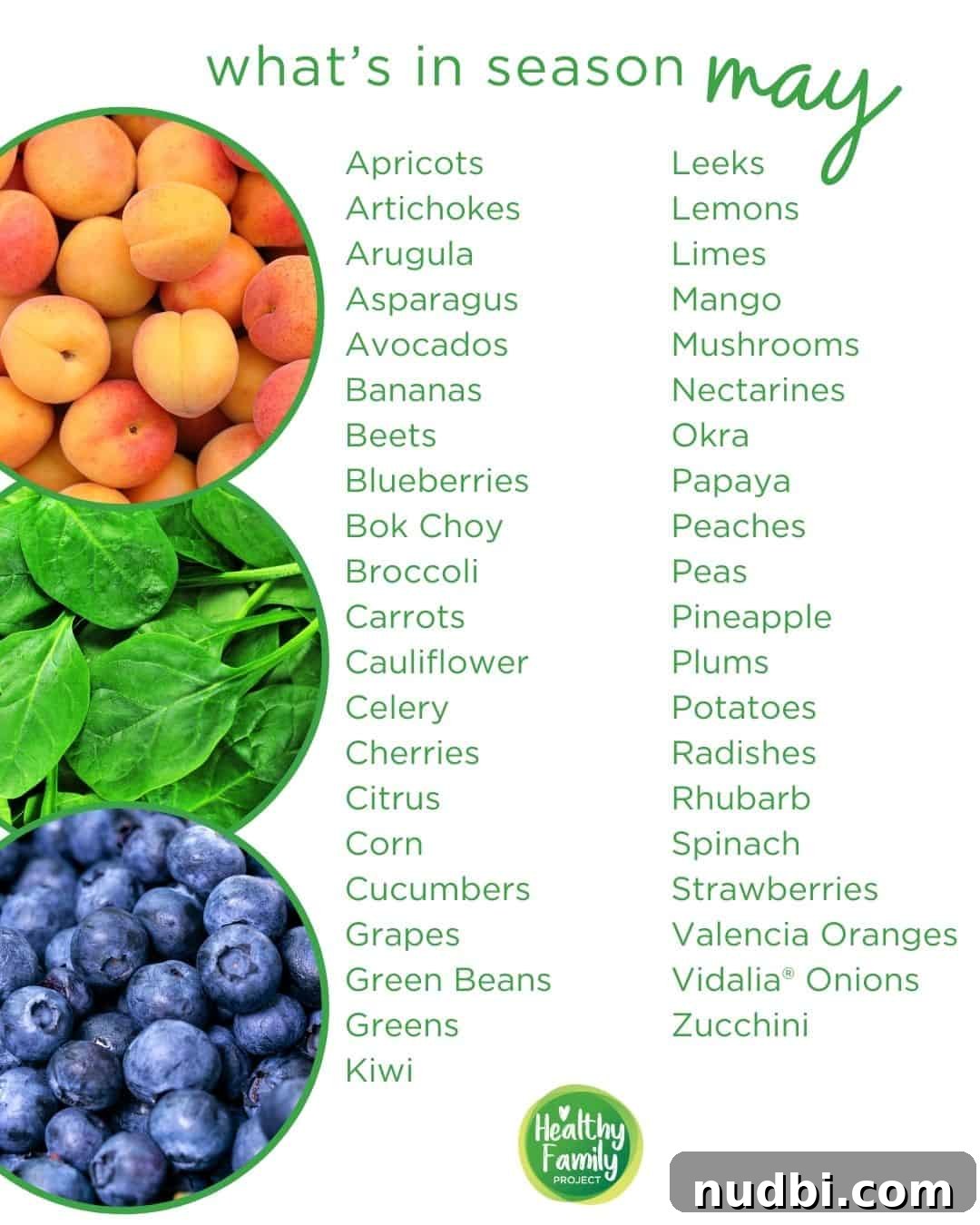
Embracing seasonal eating is a cornerstone of a healthy and budget-friendly lifestyle. When fruits and vegetables are in season, they are typically more readily available, taste significantly better, and often come with a lower price tag due to reduced transportation and storage costs. This comprehensive guide will walk you through May’s freshest offerings, providing essential tips on how to select, store, and creatively prepare each item, along with inspiring recipe ideas to make the most of your seasonal bounty.
Planning your meals around what’s in season is one of the easiest ways to ensure you’re getting the freshest, most nutrient-dense ingredients. Beyond the economic benefits, seasonal produce often boasts a richer flavor profile, making your healthy dishes even more enjoyable. Let’s dive into what’s ripe for the picking this May!
What’s in Season for May: Your Guide to Peak Freshness
Artichokes
Don’t let the spiky exterior of an artichoke intimidate you! This unique thistle-like vegetable is a true delicacy and surprisingly easy to prepare. Rich in fiber, antioxidants, and essential vitamins like C and K, artichokes are not only delicious but also a fantastic addition to a heart-healthy diet. When selecting artichokes, look for ones that are heavy for their size, with tightly closed, firm leaves. Avoid those with bruised or split leaves. Store them in the refrigerator in a plastic bag for up to a week. To prepare, simply trim the top inch, snip off any thorny leaf tips, and steam, boil, or grill them until tender. Serve with a flavorful dip, incorporate them into salads, or even create a delicious artichoke pesto. Discover more about selecting, storing, and preparing artichokes on our Produce Tips page.
Asparagus
A true sign of spring, asparagus is celebrated for its delicate flavor and versatility. While commonly known for its vibrant green spears, asparagus also comes in beautiful white and purple varieties. This nutrient-dense veggie is an excellent source of fiber, folate, and Vitamins A, C, E, and K, making it a powerful addition to any meal. When choosing asparagus, look for firm, bright green (or white/purple) spears with tightly closed tips. To store, trim the ends and stand them upright in a glass with about an inch of water, then cover loosely with a plastic bag and refrigerate for up to 3-5 days. Asparagus shines when roasted in the oven, grilled to perfection, or mixed into pasta salads, stir-fries, and frittatas. Its crisp texture and earthy flavor pair well with a wide range of ingredients.

Avocados
Good news for avocado enthusiasts: this beloved fruit is available year-round, ensuring a consistent supply of its creamy texture and healthy fats. Avocados are packed with monounsaturated fats, fiber, and various vitamins and minerals, contributing to heart health and satiety. When selecting an avocado, gently press it; it should yield slightly but not feel mushy. If it’s rock hard, it’s not ripe yet, but you can ripen it on your counter at room temperature. Once ripe, store it in the refrigerator to extend its freshness. Whether you’re topping toast, swapping it into a healthier dessert (hello, Dark Chocolate Avocado Brownies!), or whipping up a bowl of guacamole, avocados offer endless culinary possibilities. They also make a fantastic addition to smoothies for extra creaminess.

Bananas
As one of the world’s most popular fruits, bananas are conveniently in season year-round, making them an accessible and nutritious snack or ingredient at any time. Rich in potassium, Vitamin B6, and fiber, bananas provide sustained energy and support digestive health. Choose bananas based on your desired ripeness; green ones will ripen on the counter, while yellow bananas with a few brown spots are perfectly sweet and ready to eat. Store them at room temperature until ripe, then move them to the refrigerator to slow down further ripening. Beyond simply peeling and eating, bananas are fantastic for smoothies, muffins, pancakes, and can even be transformed into a healthy, dairy-free “nice” cream. Fun fact: the average American consumes an impressive 28 pounds of bananas annually!

Beets
Often misunderstood due to their earthy flavor, beets are a nutritional powerhouse that deserves a place on your plate. Roasting them is the secret to unlocking their natural sweetness, making them incredibly versatile. Beets are rich in folate, manganese, and potassium, and are known for their anti-inflammatory properties. Look for firm, smooth beets with vibrant color and fresh-looking greens attached (if buying with greens). Store beets in the refrigerator, separating the greens from the roots, and use the greens in salads or stir-fries. Roasted beets are perfect for adding to salads, blending into refreshing smoothies, or pickling for a tangy side dish. Don’t discard the beet greens; they are edible and packed with nutrients!
Blueberries
While blueberries can often be found year-round in most grocery stores, May marks the beginning of their peak season, which extends through September. These tiny superfoods are bursting with flavor and offer a myriad of health benefits. Blueberries are loaded with antioxidants, which have been shown to improve vision, enhance motor skills, and even reverse short-term memory loss associated with age-related diseases. When selecting blueberries, look for plump, firm, and dry berries with a dusty bloom. Avoid soft or shriveled berries. Store them unwashed in their original container in the refrigerator for up to 10 days. Enjoy them in this Easy Fruit Salsa, delicious baked oatmeal, incorporated into muffins, refreshing smoothies, or even tossed into salads for a sweet and tangy burst.

Bok Choy
Bok choy, a delightful type of Chinese cabbage, offers a mild, slightly sweet flavor and a satisfying crunch. It’s delicious both raw and cooked, making it a versatile ingredient in many Asian-inspired dishes. While bok choy is generally available year-round, its peak season falls during the colder months, making May a great time to enjoy it as it transitions. It’s an excellent source of Vitamins A and C, and a good source of folate. Look for crisp, bright green leaves and firm, white stalks. Store it in a plastic bag in the refrigerator’s crisper drawer for up to 5 days. Try bok choy in a quick stir-fry, a fresh salad, a comforting soup, or this homemade Instant Pot Chicken Ramen for a flavorful and nutritious meal.

Broccoli
A true nutritional powerhouse, broccoli is packed with essential vitamins and nutrients your body craves, including Vitamins C, K, and a good amount of fiber. This robust vegetable is available fresh year-round, making it a reliable staple for healthy eating. When choosing broccoli, look for firm, compact heads with tight, dark green (or sometimes purple) florets and sturdy stalks. Avoid any yellowing or soft spots. Store it unwashed in an open plastic bag in the refrigerator for up to a week. Broccoli can be added to almost any meal; chop and add to a vibrant salad, turn it into a refreshing broccoli slaw, steam or roast it for an easy side dish, or toss it into pasta salads, stir-fries, or even savory cornbread muffins for a hidden veggie boost.

Carrots
More than just a favorite for Bugs Bunny, carrots are a versatile and nutrient-rich vegetable that can be enjoyed in countless ways. They are an excellent source of Beta-carotene, which converts to Vitamin A in the body, crucial for vision, as well as Vitamin K and fiber. When selecting carrots, look for firm, smooth, and brightly colored roots. Avoid those that are soft, shriveled, or cracked. Store them in a plastic bag in the crisper drawer of your refrigerator for several weeks. Carrots are fantastic simply served with a side of ranch for dipping, but their natural sweetness truly shines when roasted. They can also be steamed, shredded and added to muffins, blended into soups, grated into mac and cheese, or even finely chopped and hidden in meatballs for a sneaky nutritional boost.

Cauliflower
Cauliflower has truly made a culinary comeback, transforming into a versatile star in kitchens worldwide. This mild-flavored cruciferous vegetable is low in calories but rich in Vitamin C, Vitamin K, and fiber, making it an excellent alternative for various dishes. When choosing cauliflower, look for clean, white or creamy-white florets that are tightly packed and firm. Avoid heads with brown spots or dull coloring. Store it unwashed in an open plastic bag in the refrigerator for up to 5-7 days. Its adaptability means it’s popping up in everything from pizza crust to “fried rice.” This ingenious veggie can be pureed to make pesto, added to mashed potatoes for a lighter dish, transformed into savory waffles, or used to replace rice in classic casseroles, offering a healthy twist without sacrificing flavor.

Celery
This crunchy, refreshing veggie is probably best known by kids as the base for Ants on a Log, but celery’s utility extends far beyond snack time. It’s a low-calorie vegetable, rich in water content, fiber, and Vitamin K, making it excellent for hydration and digestive health. When choosing celery, look for firm, crisp stalks that snap easily, with fresh, bright green leaves. Avoid limp or discolored celery. Store it in a plastic bag or wrapped in foil in the crisper drawer of your refrigerator for up to two weeks. Celery can be used in countless ways to add flavor and texture to dishes; chop and add to a hearty potato salad, use it as an aromatic base for soups and stews, add crunch to salads, or simply enjoy it as a crisp accompaniment to dips and spreads.
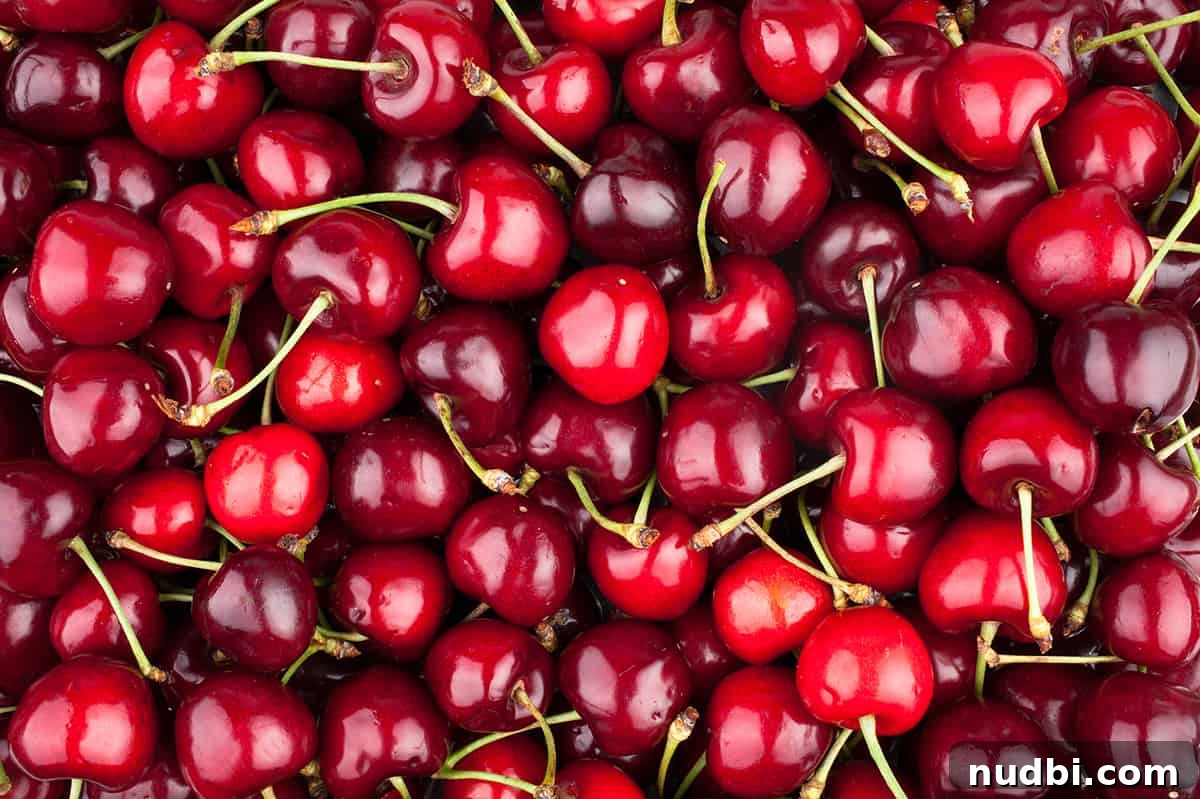
Cherries
For many, the arrival of cherry season is a highly anticipated event, and for good reason! Cherry season typically begins in May, though the exact timing and abundance can vary depending on your region, with peak availability often extending into June and July. These sweet or tart jewels are not only incredibly delicious but also packed with antioxidants and anti-inflammatory compounds, even known to aid in sleep. Make sure to stock up and get your fill during the late spring and summer months, as fresh cherries are a fleeting pleasure. When selecting cherries, look for plump, firm, and glossy fruit with intact stems. Store them unwashed in a plastic bag in the refrigerator for up to a week. Enjoy them grilled for a smoky sweetness, baked into oatmeal, or as a delightful dessert or snack.

Citrus
While many citrus fruits are often associated with winter, fresh citrus varieties like grapefruit, oranges, tangerines, and mandarins continue to be in excellent season throughout May, providing a burst of sunshine and flavor. As an exceptional source of Vitamin C, citrus fruits are renowned for their immune-boosting properties, which can help ward off pesky colds and keep you feeling vibrant. Look for firm, heavy fruits with bright, unblemished skin. Store them at room temperature for up to a week, or in the refrigerator for longer freshness. Beyond eating them out of hand, citrus fruits are fantastic in salads, marinades, and dressings. Don’t miss out on trying your hand at one of these 16 Kid-Friendly Citrus Recipes, offering creative ways to incorporate these tangy delights into your family’s diet.
Corn
May marks the delightful return of fresh corn on the cob, signaling the official start of grilling season and warmer weather feasts! Late spring and summer mean sweet corn is in abundance at your local grocery store and farmer’s markets. This versatile grain is a good source of fiber and antioxidants. When selecting corn, look for husks that are bright green and tightly wrapped around the cob. The silk should be slightly damp and golden-brown. Store corn in its husk in the refrigerator for up to a week. Corn on the cob is a classic for a reason, whether you’re adding it to a shrimp boil or enjoying a simply grilled corn on the cob recipe with a zesty sauce. You can also cut the kernels off the cob to add to salads, salsas, or stir-fries for a pop of sweetness and crunch.
Grapes
Grapes are a perfect, refreshing treat for the warmer months, offering a burst of sweetness and hydration. They are light, incredibly refreshing, and easily packed, making them ideal for picnics, summer lunches, and on-the-go snacking. Grapes are also an excellent source of Vitamin C, potassium, and Vitamin K, providing antioxidant benefits and supporting bone health. When selecting grapes, look for plump, firm fruit that is firmly attached to the stem. Avoid any shriveled or moldy berries. Store grapes unwashed in the refrigerator in a plastic bag or container for up to a week. From green and red to black varieties, there’s a grape for every preference. Check out some of our favorite grape recipes for creative ways to enjoy this delicious fruit.
Green Beans
A perennial family favorite, green beans are beloved for their tender-crisp texture and mild flavor. They are not only delicious but also incredibly nutritious, serving as an excellent source of fiber and Vitamin A, and a good source of folates, Vitamin B6, thiamin, and Vitamin C. These nutrients contribute to digestive health, vision, and overall well-being. When selecting green beans, look for vibrant green, firm pods that snap easily when bent. Avoid those that are limp, bruised, or discolored. Store unwashed green beans in a plastic bag or container in the crisper drawer of your refrigerator for up to 4 days before enjoying. They are wonderfully versatile; add them to your favorite sheet pan dinner, hearty soups, stir-fries, or simply steam and toss with a pat of butter and a sprinkle of salt and pepper for a classic side dish.

Greens
May is an ideal time to enjoy an abundance of fresh, leafy greens, including nutrient-dense varieties like kale, crisp spinach, and a wide array of lettuce types. These greens form the healthy basis for so many delicious meals and are essential for providing vitamins, minerals, and fiber. Look for vibrant, crisp leaves without any yellowing or wilting. Store unwashed greens in a plastic bag with a paper towel to absorb excess moisture in the refrigerator for up to a week. They are perfect for creating tasty salads, pumping up nutrition in smoothies, adding depth to soups, bolstering casseroles, or incorporating into pasta dishes. Experiment with different types like arugula, Swiss chard, or collard greens to discover new favorites.

Kiwi
This little brown, fuzzy fruit, named after New Zealand’s national bird, holds a vibrant surprise inside with its bright green or golden-yellow flesh. Kiwi is a fantastic source of Vitamin C (even more than oranges!), Vitamin K, and fiber, making it a great immune booster and digestive aid. When selecting kiwi, look for fruit that is firm but yields to gentle pressure. Avoid any that are bruised or shriveled. Store unripe kiwi on the counter at room temperature to ripen, then transfer to the refrigerator for up to 1-2 weeks. Its unique sweet-tart flavor and striking color add a delightful touch to any dish. Make these fun Fruity Pita Sandwiches, toss it into a colorful fruit salad for family gatherings, or blend into smoothies for an extra zing.

Leeks
Leeks, members of the allium family alongside onions, garlic, shallots, and chives, offer a wonderfully mild, sweet onion-like taste without the sharp bite. They are a good source of Vitamin K, Vitamin A, and manganese. When choosing leeks, look for firm, white stalks with fresh, dark green tops. Avoid any yellowing or wilting. Due to their layered structure, leeks can trap dirt and sand, so it’s crucial to thoroughly rinse them (especially the green parts) and pat them dry with a paper towel before consuming. Store them unwashed in the crisper drawer of your refrigerator for up to a week. Leeks are incredibly versatile: you can roast them to bring out their sweetness, add them raw to salads for a subtle onion flavor, use them as an elegant garnish for creamy soups, incorporate them into savory casseroles, or sauté them as a base for many dishes.

Lemons & Limes
These essential citrus fruits are in season year-round and are indispensable for adding bright, zesty flavor to a vast array of dishes. Both lemons and limes are packed with Vitamin C, antioxidants, and compounds that aid digestion. When selecting, look for fruits that are firm, heavy for their size, and have smooth, glossy skin. Avoid any with soft spots or dull appearance. Store them at room temperature for up to a week, or in the refrigerator for longer freshness. Juice them to create a fresh, homemade salad dressing, use their zest and juice to season chicken, fish, or roasted vegetables, or combine them to add a vibrant zing to dishes like these Baked Avocado Fries. They are also perfect for refreshing beverages and desserts, offering a natural tang that elevates any recipe.

Mango
The tropical delight that is the mango is a true taste of sunshine, and May is an excellent time to find them in season. This sweet and juicy fruit is rich in Vitamin C, Vitamin A, and fiber, making it great for immune health, vision, and digestion. When selecting mangos, look for fruit that gives slightly when squeezed gently – these will be ripe and ready to eat. Avoid overly soft or bruised mangos. Keep unripe mangos stored on the counter at room temperature until ripe, then transfer them to the refrigerator for a few days to extend their shelf life. Mangos are incredibly versatile; blend them into vibrant smoothie popsicles, add to a tangy stir-fry for a sweet and savory contrast, or enjoy in a refreshing fresh salad or salsa. Their sweet flesh is perfect for a healthy snack on its own.

Mushrooms
Did you know mushrooms are unique as the only natural food source of Vitamin D in the produce aisle? Beyond this, they offer a rich, earthy umami flavor and are packed with B vitamins and selenium. Mushrooms are incredibly versatile, available year-round, and can enhance almost any savory dish. When selecting mushrooms, look for firm, smooth caps and avoid any that are slimy or shriveled. Store them in a paper bag in the refrigerator, as plastic bags can cause them to spoil faster. You can finely chop and blend mushrooms into ground meats for tacos or burgers to boost flavor and nutrition, use them as a savory base for dishes like these Pizza Stuffed Mushrooms, or add them to easy weeknight dinners such as this Asian Chicken Stir Fry. Explore different varieties like cremini, portobello, or shiitake to discover new textures and flavors.

Okra
As May progresses, we’re hitting the tail end of okra season in some regions, so now’s the time to grab them while you can! This distinctive green pod is a staple in Southern and international cuisine, prized for its unique flavor and texture. Okra is a good source of fiber, Vitamin C, and Vitamin K. When selecting okra, look for pods that are bright green, firm, and blemish-free, ideally 2 to 4 inches long. Avoid pods that are soft, discolored, or unusually large. Store okra unwashed in a paper bag in the warmest part of your refrigerator for 2-3 days. A common concern with okra is its “sliminess” when cooked; a pro tip to avoid this is to soak them in vinegar for 30 minutes before cooking. Enjoy okra fried, roasted, grilled, in gumbos, or added to curries for a unique textural element.
Papaya
Papaya, often perceived as an exotic fruit, is actually quite common and readily available throughout the year in most stores. This vibrant, sweet fruit is a powerhouse of Vitamin C, Vitamin A, and digestive enzymes like papain, which can aid in digestion. Don’t be intimidated by getting one – they’re incredibly easy to eat! When selecting a papaya, look for one that has started to turn yellow and feels slightly soft to the touch. Avoid overly green or rock-hard papayas, as they will be unripe and less flavorful. Store unripe papaya on the counter to ripen, then move it to the refrigerator once yellow and soft. To enjoy, simply cut it in half lengthwise, scoop out the black seeds (which are also edible but have a peppery taste), then scoop out the sweet, orange flesh and enjoy! Papaya is delicious on its own for breakfast, blended into smoothies, or added to tropical fruit salads.
Peaches
Another fruit that we simply can’t get enough of this time of year is peaches! As stone fruit season blossoms in May, peaches begin to make their much-anticipated appearance, offering their unparalleled sweetness and juicy flesh. These fuzzy fruits are a good source of Vitamin C, Vitamin A, and fiber. When selecting peaches at the store, be gentle – they bruise easily! Look for ones that are soft to the touch but not mushy, with a sweet aroma. Store firm, unripened peaches on the counter at room temperature until they reach your desired ripeness. Once ripe, place peaches in the refrigerator to keep them fresh longer, though it’s best to enjoy them within a few days. Peaches are incredibly versatile and delicious in many forms. Check out some of our favorite ways to enjoy peaches, whether grilled, baked into pies and crumbles, sliced into salads, or simply savored as a juicy snack.
Peas
While frozen peas are a year-round convenience, there’s truly nothing like the sweet, tender flavor of fresh peas, which are gloriously in season during the spring and early summer months, including May. Fresh peas are a delightful source of fiber, Vitamin C, Vitamin K, and several B vitamins. When buying fresh peas, look for medium-sized pods that are plump and vibrant green. For sweeter peas, generally smaller peas within the pod are preferred. Avoid pods that are yellowing or seem shriveled. Store fresh peas in their pods in a perforated plastic bag in the refrigerator for up to 3-5 days. Shell them just before use for the best flavor. Try them in this Quick & Easy Tuna Pasta Salad for the perfect spring dish, or add them to stir-fries, risottos, or simply steam them as a vibrant green side. Their natural sweetness makes them a favorite for both adults and children.
Pineapple
While pineapples are available year-round, May falls within their peak season, which generally runs from March through July. This tropical fruit is famed for its sweet and tangy flavor, making it a refreshing treat. Pineapple is a fantastic source of Vitamin C, manganese, copper, and folate, and contains bromelain, an enzyme known for its anti-inflammatory properties. When picking a pineapple, give it a sniff at the base – you should smell a sweet, distinctive pineapple aroma. It should also feel heavy for its size and have green, healthy-looking leaves. Avoid any pineapples with soft spots, mold, or an overly fermented smell. Store whole pineapples at room temperature for a day or two to fully ripen, then refrigerate for up to 5 days. Once cut, store in an airtight container in the fridge. Enjoy pineapple in a vibrant fruit salad, blended into a tropical smoothie bowl, as these fun fruit breakfast skewers, or even grilled for a caramelized sweetness that pairs wonderfully with savory dishes.
Potatoes
Potatoes are a staple in kitchens around the world, and with more than 600 types sold in the US, the culinary possibilities are truly endless. While potatoes sometimes get an unfair reputation, particularly when fried, skin-on potatoes are a highly nutritious vegetable, packed with Vitamin C, potassium, and Vitamin B6. New potatoes, often harvested in spring and early summer, are particularly tender and flavorful. When selecting potatoes, look for firm, smooth skins without any green spots (which indicate solanine, a natural toxin) or sprouts. Store them in a cool, dark, well-ventilated place, but avoid the refrigerator, which can convert their starch to sugar. Whether you’re looking for healthy ways to top a baked potato, different ways to season roasted potatoes, or just general healthy potato recipes, we’ve got you covered. From creamy mashed potatoes to crispy roasted wedges, potatoes offer comfort and versatility to any meal.

Strawberries
May is a prime month for strawberries, with Florida strawberry season in full swing and other regions beginning their harvest. This beloved fruit, known for its sweet-tart flavor, is bursting with Vitamin C, antioxidants, and fiber. When selecting strawberries, look for bright red, firm berries that are fully colored with green caps. Avoid any with white spots, mold, or softness. Store them unwashed in a single layer in the refrigerator for 3-5 days; wash just before eating. The possibilities for enjoying this favorite fruit are truly endless, extending far beyond just snacking. Blend them into muffins, create the perfect smoothie, add them to a delicious fruit salsa, or elegantly top off your pancakes or oatmeal for a burst of natural sweetness.
Stone Fruit
Beyond the delightful cherries and peaches we’ve already highlighted, May signals the broader beginning of stone fruit season. This category includes other succulent varieties such as apricots, nectarines, plums, and pluots (a hybrid of plum and apricot). These fruits are characterized by their single, hard pit or “stone” at their core and are celebrated for their juicy flesh and sweet flavors. Stone fruits are generally rich in vitamins A and C, and dietary fiber. When selecting, look for fruits that are fragrant and yield slightly to gentle pressure when ripe. Store firm, unripe stone fruit at room temperature until ripe, then refrigerate to slow further ripening. Enjoy them grilled, baked into desserts, turned into jams, or simply as a refreshing snack on a warm May day.

Onions
Onions are a true kitchen staple, foundational to countless cuisines worldwide, and we use them in multiple meals each week for their incredible depth of flavor. May is particularly exciting because it’s the peak season for sweet varieties like Vidalia Onions, known for their exceptionally mild and sweet taste. While I still haven’t mastered cutting onions without shedding a tear, we can’t deny their essential role in adding flavor to everything from comforting soups and hearty chili to savory meatballs and filling breakfast burritos. Onions are also a good source of Vitamin C, fiber, and prebiotics which support gut health. Look for firm, dry onions with no soft spots or sprouts. Store them in a cool, dry, well-ventilated place away from potatoes. Their versatility makes them perfect for caramelizing, roasting, or simply dicing and sautéing as the aromatic base for almost any dish.
Zucchini
As spring transitions to summer, zucchini begins to flourish, making May an excellent time to enjoy this mild and versatile squash. Rich in fiber, Vitamin A, and Vitamin C, zucchini offers numerous health benefits, including helping to lower cholesterol, guarding against asthma, and strengthening teeth and bones. When selecting zucchini, look for firm, shiny, and blemish-free squash that feels heavy for its size. Smaller to medium-sized zucchini tend to be more tender and flavorful than very large ones. Store unwashed zucchini in a perforated plastic bag in the crisper drawer of your refrigerator for up to 5 days. Zucchini’s mild flavor allows it to be incorporated into a wide variety of dishes; enjoy it as a topping on a pizza, baked into sweet muffins or bread, transformed into crispy “fries” like in these Beef & Black Bean Sliders with Baked Zucchini Fries, or simply grilled alongside other seasonal vegetables. Its high water content makes it incredibly refreshing and hydrating.
Embracing the rhythm of seasonal eating is a rewarding journey, offering unparalleled flavor, nutritional benefits, and a connection to nature’s bounty. By focusing on May’s in-season fruits and vegetables, you’re not just making smart choices for your health and wallet, but also discovering new culinary adventures. Enjoy the fresh, vibrant tastes of spring and kick off your grilling season with this incredible array of produce!