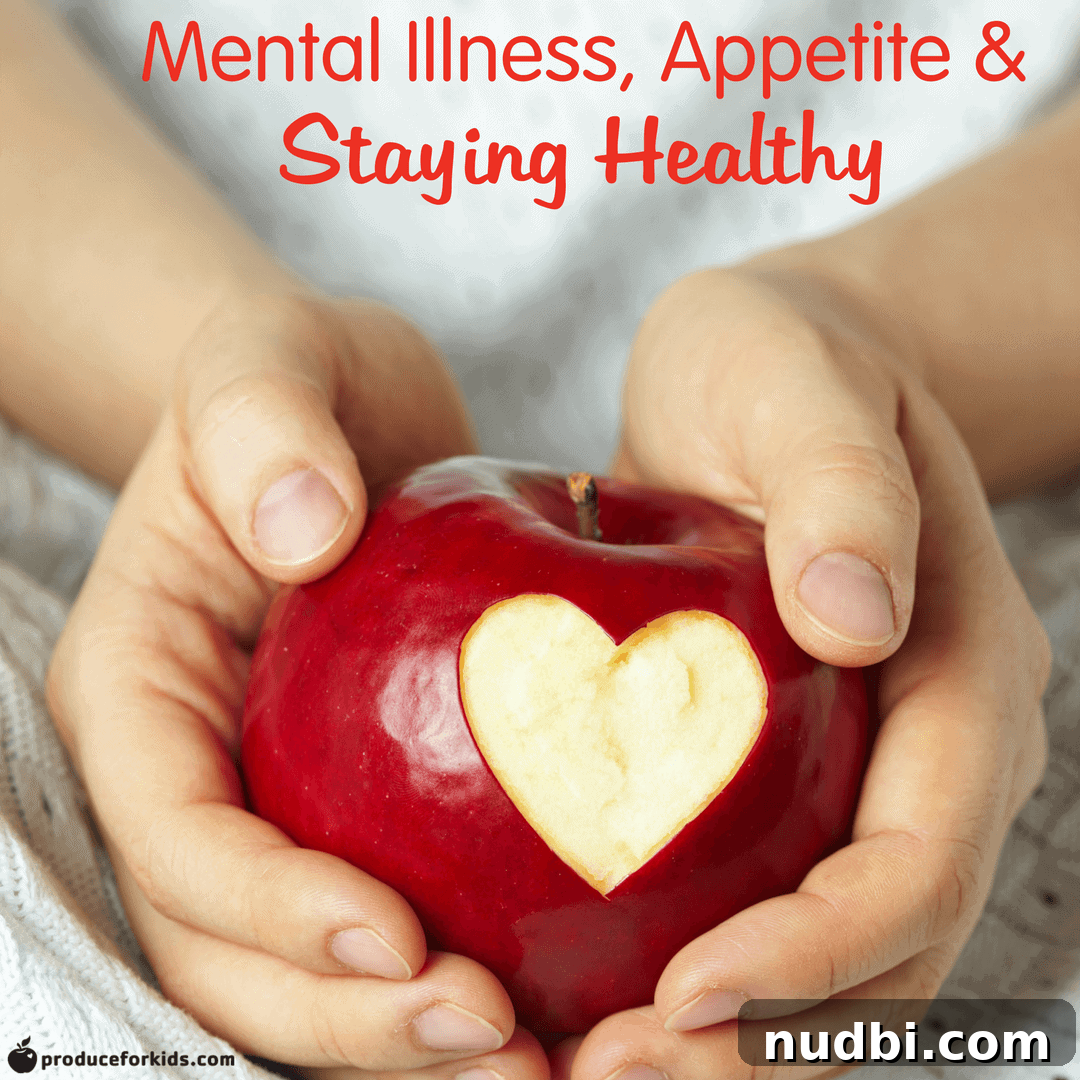
Navigating Mental Health: Understanding Appetite Changes, Nutrition, and Holistic Well-being
Mental health disorders are a pervasive global challenge, touching the lives of millions. In the United States alone, the statistics are striking: the National Alliance for the Mentally Ill (NAMI) reports that approximately 43.8 million adults experience mental illness in a given year, which translates to one in five adults annually. Furthermore, a significant 20% of youth between the ages of 13 and 18 grapple with a mental health condition. These figures underscore a crucial reality: mental illness is not a fringe issue; it impacts all of us, directly or indirectly, whether as individuals, parents, children, friends, colleagues, or neighbors. Understanding its multifaceted nature, including its less obvious physical manifestations, is essential for fostering a healthier, more supportive society.
While commonly recognized symptoms of mental health struggles include emotional distress, sleep disturbances, and cognitive difficulties, there’s another, often overlooked symptom that profoundly impacts daily life: changes in appetite. The intricate connection between our mental state and our physical well-being, particularly how we nourish our bodies, is a cornerstone of holistic health. Recognizing and addressing these shifts in eating patterns can be a critical step toward better managing mental health challenges and promoting overall wellness.
The Intricate Link Between Mental Health and Appetite
The human brain and digestive system are deeply interconnected through what is known as the gut-brain axis. This bidirectional communication pathway means that our emotional state can directly influence our gut function, and vice versa. When mental health disorders, such as depression, anxiety, or bipolar disorder, take hold, they can significantly disrupt this delicate balance, leading to a spectrum of appetite changes. For some individuals struggling with depression, for instance, a profound decrease in appetite or a complete loss of pleasure in food (anhedonia) can occur. Meals might become a chore, food might taste bland, or the very thought of eating could be overwhelming. This can lead to nutritional deficiencies, weight loss, and further exacerbate feelings of fatigue and low mood, creating a detrimental cycle.
Conversely, other mental health conditions or even stress responses can trigger an increase in appetite, often manifesting as cravings for highly palatable, comfort foods rich in sugar, fat, and salt. This emotional eating can provide temporary relief or distraction but often leads to feelings of guilt, physical discomfort, and weight gain, which can, in turn, negatively impact self-esteem and mental health. Still others might find themselves unable to maintain healthy eating habits, swinging between periods of overeating and undereating, or struggling to prepare balanced meals due to lack of energy or motivation. These fluctuating patterns can severely compromise nutritional intake, leaving the body and mind without the essential nutrients needed for optimal functioning.
Beyond the direct impact of the disorder itself, certain psychiatric medications prescribed to manage mental health conditions can also play a significant role in altering appetite and taste perception. Some medications may cause increased appetite and weight gain, while others might lead to appetite suppression or changes in how food tastes. These side effects, though often manageable, can add another layer of complexity to an already challenging situation, making it imperative for individuals and their families to be vigilant and communicative with healthcare providers. Understanding these strong ties between food, appetite, nutrition, and mental health is the first step toward developing effective strategies for managing your family’s health and fostering resilience.
Essential Strategies for Nurturing Mental and Physical Health
Given the profound interplay between mental health and nutritional well-being, adopting proactive strategies is vital for individuals and families. Here are comprehensive tips to help navigate these challenges and support holistic health:
- Vigilantly Monitor Appetite Changes and Eating Patterns: While a brief fluctuation in hunger or eating habits—a day or two of increased or decreased hunger—is not uncommon, sustained changes warrant careful attention. If you observe alterations in appetite or eating patterns lasting two weeks or more, it’s a clear signal to take note. These prolonged changes can be indicative of an underlying issue, whether physical or mental. Documenting these observations, including what is being eaten (or not eaten) and any associated feelings, can be incredibly helpful. A prompt consultation with your (or your child’s) primary care provider is a crucial next step. They can offer an initial assessment, rule out any physical causes, and guide you toward appropriate specialist care if needed. Early intervention is often key to better outcomes in mental health care.
- Mindfully Manage Medications and Their Effects: As previously highlighted, a range of psychiatric medications can significantly influence appetite and taste perception. If someone in your family has recently begun a new medication regimen, or had a dosage adjustment, paying close attention to their eating habits is paramount. Keep a detailed log of any changes: whether appetite has increased or decreased, if specific foods are suddenly unappealing, or if there are new cravings. This information is invaluable. Make sure to communicate these observations clearly and regularly with your healthcare provider or psychiatrist. They can offer strategies to mitigate side effects, adjust dosages if necessary, or explore alternative medications that might be a better fit, ensuring the medication supports overall well-being without undue disruption to nutritional health.
- Prioritize Nutrient-Dense Foods, Even When Challenging: When appetite is low, or motivation to cook is scarce, the temptation to rely on convenience foods is strong. However, maintaining good nutrition is critical for brain health and mood regulation. Focus on small, frequent meals and snacks that are packed with nutrients. Opt for easily digestible options like smoothies (blended with fruits, vegetables, protein powder), soups, yogurts, nuts, and whole-grain crackers with cheese or nut butter. If appetite is increased, ensure healthy snacks are readily available to prevent overconsumption of less nutritious options. Planning meals in advance can also reduce decision fatigue during difficult periods. Consider consulting a registered dietitian for personalized advice on optimizing nutrition during mental health challenges.
- Cultivate a Supportive and Open Environment: Mental health struggles can affect anyone, regardless of age, background, or social status. Creating an environment where open communication about feelings and challenges is encouraged can significantly reduce the burden of isolation. Validate experiences, listen without judgment, and remind your loved ones that seeking help is a sign of strength, not weakness. Family support plays a vital role in recovery and management. Offer practical help, such as preparing meals, accompanying them to appointments, or simply being present.
- Actively Seek Professional Help: The encouraging news regarding mental health disorders is their high treatability. Early diagnosis and appropriate intervention can dramatically improve outcomes and quality of life. If you suspect someone in your family is struggling, reaching out to a qualified mental health care provider—such as a psychologist, psychiatrist, licensed counselor, or therapist—in your community is a crucial step. These professionals can offer various therapeutic approaches, including cognitive-behavioral therapy (CBT), dialectical behavior therapy (DBT), psychotherapy, and medication management, tailored to individual needs. If you need assistance in locating a suitable provider, resources like the American Psychological Association’s Psychologist Locator or NAMI’s helplines can be invaluable tools. Remember, effective treatment is a journey, and finding the right professional match is key.
- Embrace Holistic Self-Care Beyond Food: While nutrition is paramount, a comprehensive approach to mental well-being includes other pillars of self-care. Prioritize adequate sleep, as sleep deprivation can significantly worsen mental health symptoms. Incorporate regular physical activity, even gentle forms like walking or yoga, as exercise is a powerful mood booster. Explore stress management techniques such as mindfulness meditation, deep breathing exercises, or engaging in hobbies that bring joy and relaxation. Connecting with nature, maintaining social connections, and setting realistic boundaries are also essential components of a robust self-care routine that supports mental resilience.
May: A Month Dedicated to Mental Health Awareness
May serves as Mental Health Month, an annual observance dedicated to raising awareness about mental health and well-being. Throughout this month, organizations like NAMI work tirelessly to combat the pervasive stigma associated with mental illness, provide invaluable support to individuals and families, educate the public, and advocate for equal access to quality mental health care. It’s a time to acknowledge the courage of those living with mental health conditions and to remind everyone that mental health is as important as physical health. Engaging with these initiatives, learning more, and sharing accurate information can contribute significantly to a more understanding and supportive community. For more comprehensive information and resources, we encourage you to visit NAMI’s dedicated Mental Health Month page at https://www.nami.org/mentalhealthmonth.
In conclusion, the journey toward optimal health is a holistic one, encompassing both mind and body. Recognizing the subtle yet significant ways mental health impacts physical processes, especially appetite and nutrition, empowers us to take more informed and compassionate action. By paying attention to our bodies, openly communicating with healthcare professionals, cultivating supportive environments, and embracing comprehensive self-care, we can collectively work towards a future where mental health is prioritized, stigma is dismantled, and everyone has the opportunity to thrive.