The Unbeatable Benefits: Why Family Dinners and Cooking Together Matter
In the hustle and bustle of modern life, finding dedicated time for family can feel like a luxurious commodity. Yet, few activities offer as rich a return on investment as gathering around the dinner table or collaborating in the kitchen. Family dinners are more than just meals; they are cornerstone experiences that shape our children, strengthen our bonds, and nurture overall well-being. To delve deeper into this vital topic, we connected with our esteemed friends at The Kids Cook Monday, an inspiring organization dedicated to encouraging families to designate the first night of every week for cooking and eating together. Diana K. Rice, a registered dietitian at The Monday Campaigns, generously shares her expert insights on the profound importance of these shared culinary moments and offers practical advice for making them a cherished reality in every home.
The Transformative Power of Cooking Together
In an era dominated by fast food and convenience, the act of cooking together as a family holds unprecedented value. It’s a powerful antidote to the fast-paced nature of contemporary life, providing a much-needed opportunity to slow down, reconnect, and create lasting memories. But the benefits extend far beyond mere bonding; cooking together is a foundational activity that equips children with essential life skills and fosters healthier eating habits from a young age.
More Than Just a Meal: Cultivating Connection and Life Skills
Diana K. Rice emphasizes that in our increasingly busy world, cooking together offers a unique chance for families to pause and invest quality time in each other. This isn’t just about preparing food; it’s about fostering communication, collaborative problem-solving, and simply enjoying each other’s company without the distractions of external pressures. Children, in particular, benefit immensely from this hands-on experience. They learn fundamental culinary skills – from measuring and mixing to chopping and sautéing – that are crucial for their future independence. By mastering these skills early, they gain confidence and are less likely to rely on less nutritious fast food options later in life. Furthermore, meals prepared from scratch almost invariably surpass pre-prepared alternatives in nutritional value, allowing families to control ingredients, reduce additives, and enhance the overall healthfulness of their diet.
Breaking the Fast-Paced Cycle with Purposeful Presence
One of the most compelling reasons to embrace family cooking is its ability to serve as a designated time for intentional presence. Life rushes by, often leaving little room for genuine interaction amidst school, work, and extracurricular activities. By committing to cook together, families create a sacred space and time slot, a weekly ritual that offers a tangible break from the relentless pace. This dedicated slot encourages everyone to put down their devices, engage in conversation, and collaborate on a shared goal, reinforcing a sense of teamwork and mutual responsibility within the family unit.
Engaging Young Chefs: Simple Steps to Get Kids in the Kitchen
Many parents understand the value of involving their children in cooking but may feel daunted by where to begin or how to keep the process both fun and safe. Diana K. Rice offers excellent, actionable strategies to ignite a passion for cooking in even the youngest family members, transforming meal preparation from a chore into an exciting adventure.
The Grocery Store Adventure: Empowering Choices
The journey into family cooking, according to Diana, should ideally begin before you even step into the kitchen – it starts at the grocery store. Her brilliant suggestion is to head straight to the produce section and allow children the autonomy to pick out any fruit or vegetable that catches their eye. This simple act of ownership makes a profound difference. When kids have a say in selecting an ingredient, they become significantly more invested in the cooking process and far more likely to try the healthy food they helped choose. After making their selection, families can then visit resources like Produce for Kids or The Kids Cook Monday to find simple, kid-friendly dinner recipes featuring that specific item. This connection between choice and outcome is a powerful motivator for healthy eating.
Age-Appropriate Tasks: From Tearing Greens to Stirring Pots
Once back in the kitchen, the key is to assign tasks that are appropriate for each child’s age and motor skills, ensuring both safety and a sense of accomplishment. For very young children, tasks can be incredibly simple yet impactful, such as pushing the button on a food processor (with supervision, of course) or tearing leafy greens like lettuce or spinach with their hands. As children grow, they can progress to stirring ingredients, washing vegetables, setting the table, or even measuring dry goods. The Kids Cook Monday website (TheKidsCookMonday.org) offers more detailed guidance on suitable tasks for various age groups, helping parents confidently involve their children at every stage of development. The goal is to make the experience enjoyable and educational, building skills gradually over time.
Safety First: Essential Tips for Cooking with Children
Safety is paramount when cooking with children, and understandably, many parents harbor concerns, especially regarding sharp utensils. However, with the right guidance and techniques, even potentially intimidating tasks like knife handling can be made safe and educational for young chefs. Diana K. Rice shares crucial safety tips that empower parents to create a secure and productive kitchen environment.
Mastering Knife Safety: The “Bear Claw” Technique
The thought of children using knives often makes parents apprehensive, but Diana reassures us that with proper instruction, it can be perfectly safe. For beginners, she recommends starting with plastic or metal butter knives, which are surprisingly effective for cutting softer items like lettuce, herbs, tomatoes, cucumbers, and avocados – almost anything except tough root vegetables or squashes. The crucial step is to teach children the correct way to hold a knife, preparing them for when they are ready to transition to real knives later on. Diana advocates for the “bear claw” method: children make a claw shape with the fingers of the hand holding the food, tucking their fingertips away from the blade. Then, holding the knife in their dominant hand, they place the tip firmly on the cutting board above the food and “chomp” down in a lever-like motion. Repeating this action allows them to safely chop ingredients while keeping their precious fingertips out of harm’s way.
The Golden Rule of Hygiene: Handwashing Habits
Beyond knife safety, cooking with kids presents an excellent opportunity to instill the lifelong importance of good hygiene, particularly handwashing. Diana stresses that children should always wash their hands thoroughly with soap and water before beginning any recipe. This practice should be reinforced whenever a little finger inevitably finds its way into a mouth or nose – a frequent occurrence with young children! Emphasizing and practicing handwashing consistently teaches kids about food safety, prevents the spread of germs, and establishes a vital habit that extends far beyond the kitchen, contributing to overall health and wellness for the entire family.
The Heart of the Home: The Importance of Family Dinners
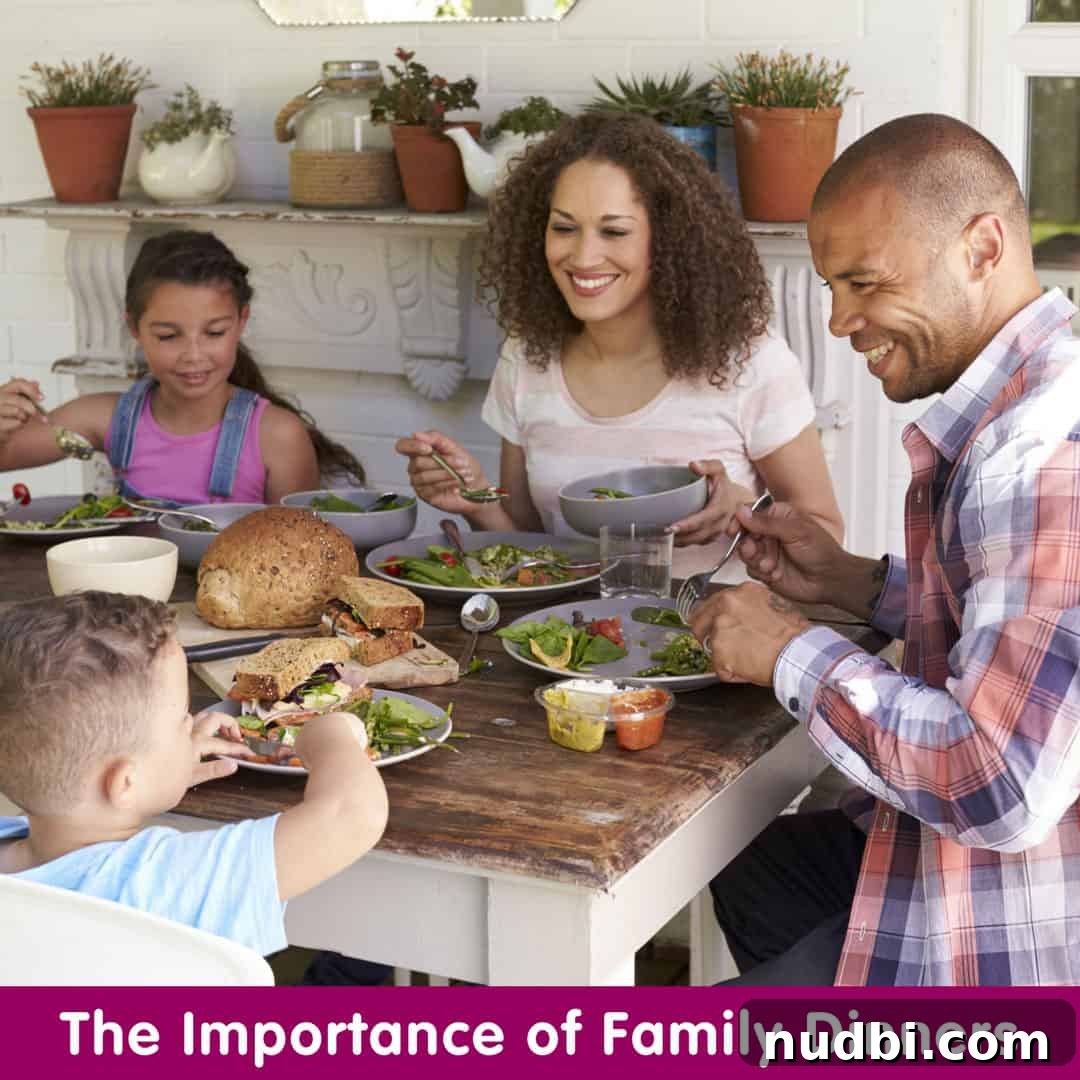
While cooking together is invaluable, the act of simply sitting down to eat a meal as a family is equally, if not more, significant. In today’s hyper-connected yet often disconnected world, the family dinner table remains one of the last bastions of genuine, quality interaction. It’s a dedicated space where connections are forged, laughter is shared, and the day’s events are recounted, fostering a deep sense of belonging and support.
Fostering Connection and Communication Without Screens
Diana K. Rice eloquently describes sitting down to a meal together as “true, quality family time.” This is a cherished opportunity for everyone to check in with each other, share anecdotes, listen to stories, and simply enjoy conversation. Crucially, she advocates for a “no screens allowed” policy at the dinner table. This rule ensures undivided attention, promoting genuine dialogue and presence among family members. Parents who regularly eat with their children often report feeling more connected to their children’s lives, gaining insight into their thoughts and experiences. Simultaneously, children frequently report feeling less stressed when they have this consistent, supportive interaction with their parents. These shared meals become vital emotional anchors in their busy lives, reinforcing bonds and creating a safe space for expression.
Making it Happen: Strategies for Busy Families
The notion of regular family dinners can seem daunting for busy families, but Diana offers practical strategies to make it a manageable and enjoyable reality. She is a strong proponent of the “prep-in-advance” concept. Utilizing the weekend to map out the week’s meals, tackling grocery shopping, and getting a head start on washing and chopping ingredients can drastically reduce weeknight cooking stress. This pre-preparation means that tossing a few ingredients together for an evening meal becomes quick and easy, rather than a laborious task. Diana also suggests batch cooking: preparing a large quantity of a versatile ingredient, like beans, to be used in multiple meals throughout the week (e.g., tacos one night, soup the next). The core message is clear: home cooking does not have to be complicated or time-consuming. In her opinion, the simpler, the better – emphasizing that the quality of time spent together outweighs the complexity of the meal itself.
Boosting Nutrition: Welcoming More Fruits and Vegetables
Fruits and vegetables are the cornerstone of a healthy diet, yet many families struggle to incorporate enough of them into their daily meals. Diana K. Rice provides insightful and practical tips to ensure that these nutrient powerhouses become a more prominent and enjoyable part of every family’s eating habits, addressing common concerns and offering creative solutions.
The “Buy It, Use It” Philosophy
A common hurdle for parents is the reluctance to buy large quantities of fresh produce, fearing it will spoil before being used. Diana offers a unique perspective: “If you buy them…they will be eaten!” She suggests using this very fear to your advantage. If fresh fruits and vegetables are in your fridge and seemingly “threatening” to go to waste, you are far more likely to find creative ways to use them, rather than letting them spoil. This subtle psychological nudge encourages proactive meal planning and spontaneous incorporation of produce into dishes, reducing food waste and boosting nutritional intake simultaneously.
Creative Culinary Integration and Flexibility
Beyond simply buying more produce, Diana emphasizes the importance of flexibility and creativity in the kitchen. She encourages families to seek out more plant-based recipes, which naturally prioritize fruits and vegetables. Even with existing recipes, she advises an opportunistic approach: if a pasta recipe only calls for onions and tomatoes, but you also have mushrooms or bell peppers on hand, “Throw them right on in there!” This mindset of adding extra vegetables whenever possible is a simple yet effective way to increase nutrient density without significantly altering the meal. Don’t be afraid to experiment and adapt recipes to include more vibrant, healthful ingredients.
The Freezer’s Friend: Preserving Produce for Later Use
For produce that truly seems unlikely to be used fresh, Diana offers a fantastic solution: the freezer. Almost any fruit or vegetable can be chopped up and tossed into the freezer for later use in soups, stews, smoothies, or casseroles. This prevents waste and ensures you always have healthy ingredients on hand for quick meals. Furthermore, she highlights the convenience and nutritional value of pre-frozen fruits and vegetables, which are often picked at their peak ripeness and flash-frozen, retaining their vitamins and minerals. Buying frozen items in the first place is a perfectly nutritious and often more convenient option, especially for busy families looking to consistently incorporate more produce into their diets.
Embracing the Family Meal Revolution
The insights shared by Diana K. Rice underscore a profound truth: family dinners and cooking together are not just about food; they are about fostering connection, building vital life skills, promoting healthy habits, and creating a supportive environment for children to thrive. From empowering kids at the grocery store to teaching safe knife skills and mastering meal prep, every step contributes to a richer family life. By embracing these practices, we don’t just put healthy food on the table; we cultivate a healthier, happier, and more connected family. So, why not make a commitment to The Kids Cook Monday and start your family’s culinary adventure tonight? Your family will thank you for it.