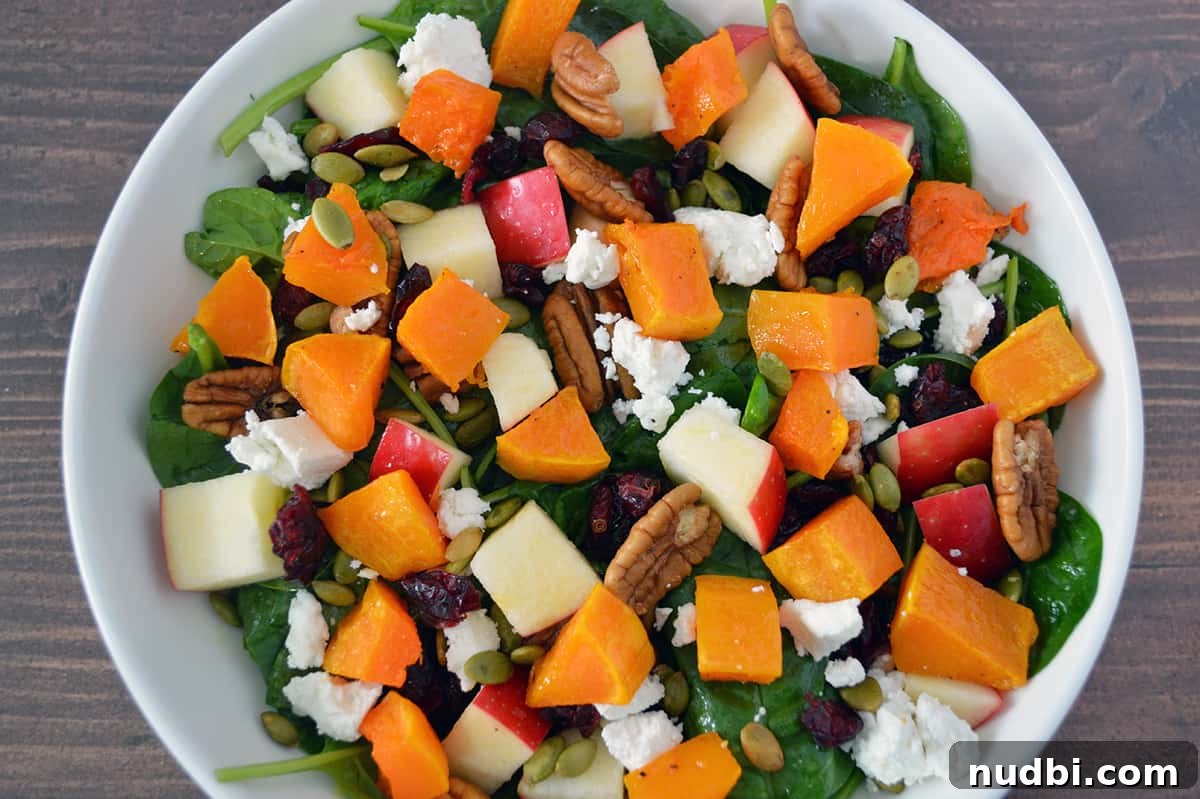
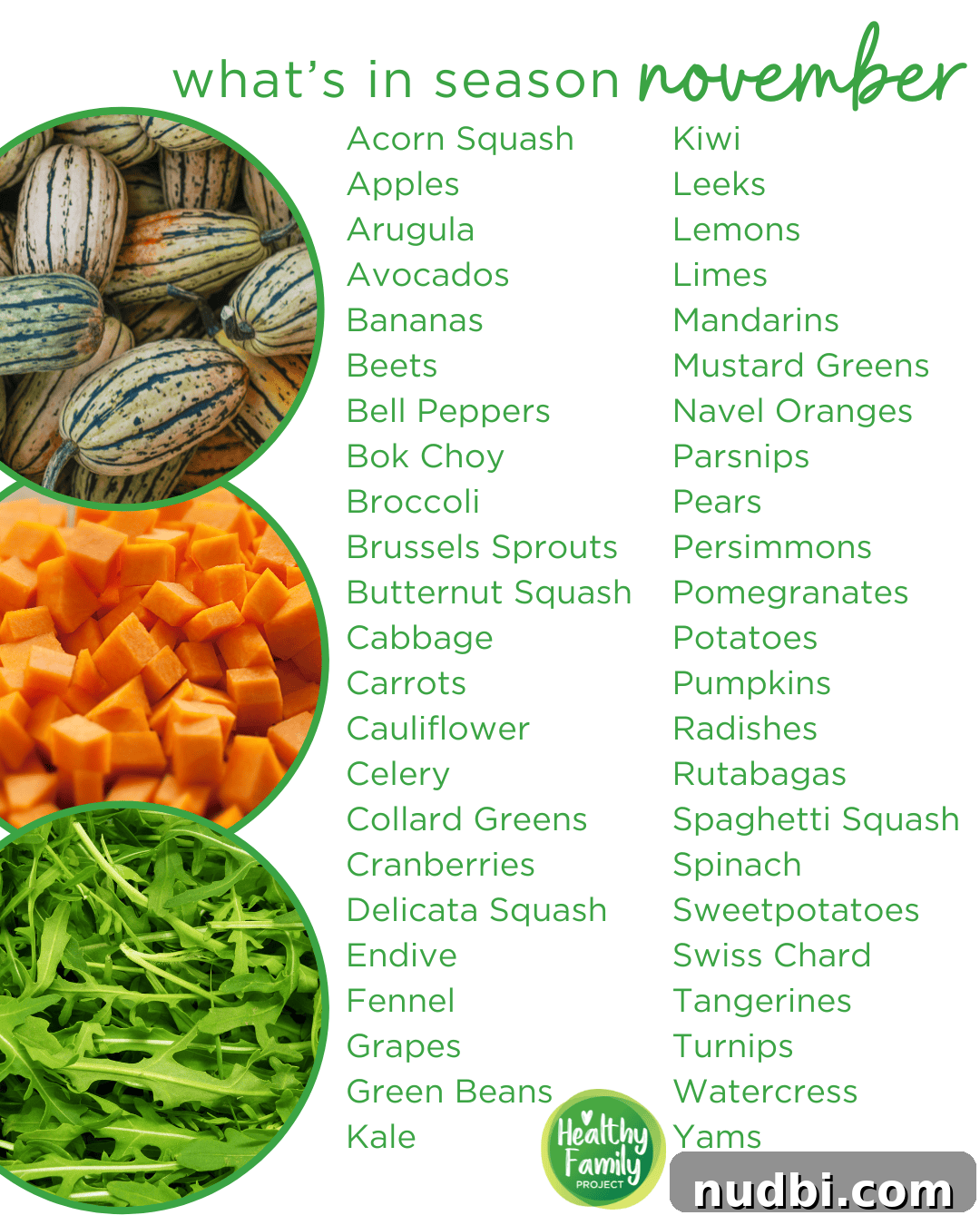
Welcome to November, a month brimming with vibrant fall colors, the heartwarming anticipation of Thanksgiving, and the joyous start of holiday preparations! As the festive season approaches and your grocery lists grow longer, don’t miss the opportunity to fill your cart with the incredible bounty of in-season fruits and vegetables. Eating seasonally is a culinary secret weapon, offering unparalleled flavor, superior nutrition, and often significant savings.
When you choose produce that’s in season, you’re selecting fruits and veggies at their absolute peak – meaning they’ve been harvested at their prime, packed with the richest flavors, and loaded with essential vitamins and minerals. Beyond the delightful taste and health benefits, buying seasonal produce typically means lower prices, as it requires less transportation and storage. This guide is your essential companion for navigating the grocery store aisles this November, helping you make smart, healthy, and budget-friendly choices.
Embrace the seasonal shift and transform your meals with the freshest ingredients available. We’ve curated a comprehensive list of November’s finest, complete with tips on how to select, prepare, and store each item for maximum enjoyment. Plus, discover inspiring recipe ideas to bring these seasonal stars to your family’s table. Click on each listing to unlock a world of delicious possibilities and learn more about making the most of your November harvest.
What’s in Season for November: Your Guide to Fall’s Best Produce

Apples
Apples are truly a quintessential fall staple, and November brings an incredible array of varieties, each with its own unique flavor and texture profile. From crisp Honeycrisps perfect for snacking to tart Granny Smiths ideal for baking, the possibilities are genuinely endless. Look for firm, blemish-free apples with a vibrant color when selecting them. Store them in a cool, dark place or in the refrigerator to prolong their freshness. Enjoy them raw as a healthy snack, sliced onto a fresh salad for a sweet crunch, or transform them into delectable desserts. Explore these 40 Apple Recipes for Fall or consult this handy guide to apple varieties to find the perfect apple for your next culinary creation, whether it’s a sweet pie or a savory pork dish.

Avocados
Good news for avocado enthusiasts: this creamy, nutrient-rich fruit is available year-round, making it a reliable choice for your November meals. Avocados are packed with healthy fats, fiber, and various vitamins, making them an excellent addition to any diet. When choosing an avocado, gently squeeze it; a ripe avocado will yield slightly to pressure. Store unripe avocados at room temperature until they ripen, then move them to the refrigerator to extend their shelf life. Their versatility knows no bounds – whether you’re mashing them for the perfect avocado toast, blending them into a surprisingly healthy dessert like Dark Chocolate Avocado Brownies, or whipping up a fresh batch of guacamole for holiday gatherings, avocados add a luxurious texture and mild flavor to countless dishes.

Bananas
As one of the most beloved fruits globally, bananas are consistently in season, providing a convenient and nutritious option throughout the year, including November. Rich in potassium, Vitamin B6, and Vitamin C, they offer a quick energy boost and support overall well-being. Select bananas based on ripeness preferences—yellow with a hint of green for later use, or yellow with brown spots for immediate consumption. Store them at room temperature; refrigerate ripe bananas to slow further ripening. Beyond being a perfect grab-and-go snack, bananas are incredibly adaptable in the kitchen. Blend them into creamy smoothies, incorporate them into fluffy muffins or pancakes, or freeze them to make delicious “nice” cream. It’s no wonder the average American enjoys a remarkable 28 pounds of bananas annually!

Beets
Often underestimated due to their distinctive earthy flavor, beets are a nutritional powerhouse that truly shines in the cooler months of November. They are rich in fiber, folate, manganese, and Vitamin C. When picking beets, look for firm, smooth roots with vibrant color and fresh, crisp greens attached (if applicable). Store them in the refrigerator, separating the greens from the roots if keeping for more than a few days. The secret to transforming beets lies in roasting them, which remarkably enhances their natural sweetness and mellows their earthy notes. Roasted beets are fantastic additions to refreshing salads, vibrant in smoothies like a Beet & Blueberry Banana Smoothie, or even pureed into colorful dips and soups. Give these gorgeous root vegetables a try this season!

Bok Choy
Bok Choy, a delightful member of the Chinese cabbage family, offers a wonderfully mild, slightly sweet flavor and a satisfying crunch. While it’s generally accessible throughout the year, bok choy is particularly flavorful and abundant during the colder months, making November an excellent time to enjoy it. It’s a good source of vitamins A, C, and K. When selecting bok choy, look for firm, dark green leaves and crisp white stalks. Store it in a plastic bag in the refrigerator for up to a week. Its versatility allows it to be enjoyed both raw and cooked. Incorporate it into a quick stir-fry, add it to fresh salads, or simmer it in comforting soups. For a truly satisfying meal, try it in this homemade Instant Pot Chicken Ramen, where its delicate flavor complements the rich broth beautifully.

Broccoli
This vibrant green powerhouse is celebrated for being an excellent source of vitamins C and K, fiber, and various antioxidants, making it a fantastic addition to your diet year-round. When shopping for broccoli, choose heads that are firm, with compact, dark green florets and crisp stalks. Avoid any yellowing or soft spots. Store it unwashed in the refrigerator. Broccoli’s mild flavor and tender-crisp texture make it incredibly versatile. Finely chop it for a nutritious addition to salads or create a refreshing broccoli slaw. It can be easily steamed, roasted, or sautéed to create a simple yet flavorful side dish, such as this One-Pan Italian Pork Tenderloin and Broccoli. Furthermore, it integrates seamlessly into pasta salads, savory stir-fries, and even unique recipes like Broccoli Cheddar Cornbread Muffins, proving its adaptability in countless family meals.

Brussels Sprouts
Once a polarizing vegetable, Brussels sprouts have triumphantly returned to the culinary spotlight, becoming an undeniable Thanksgiving staple and a beloved fall season produce. Rich in Vitamin K, Vitamin C, and fiber, these mini cabbages are not only delicious but also incredibly nutritious. When selecting Brussels sprouts, look for firm, compact heads with bright green leaves. Avoid any that are yellowing or have loose outer leaves. Store them unwashed in the refrigerator for up to a week. The absolute best way to prepare them, in my opinion, is to simply halve them, toss with a generous drizzle of olive oil, a sprinkle of salt, and a crack of black pepper, then roast them in the oven until caramelized and tender-crisp. This cooking method brings out their natural sweetness and creates an irresistible side dish that will convert even the staunchest sprout skeptics. They are perfect for your November feasts!

Cabbage
Cabbage is an unsung hero of the winter months, offering a wealth of nutrition and versatility. It’s generously packed with Vitamins K, C, and B6, along with a beneficial list of other nutrients and dietary fiber. When you’re at the store, seek out firm, dense heads of cabbage with crisp, unblemished leaves that have a healthy luster. Store it in the crisper drawer of your refrigerator; a whole head can stay fresh for several weeks. Cabbage can be enjoyed in a multitude of ways: thinly slice it to create a refreshing and delicious coleslaw, or roast it until tender and slightly sweet. For a vibrant and nourishing meal, consider adding roasted cabbage to this colorful Rainbow Buddha Bowl, making for a fun and healthy dinner option throughout November.

Carrots
Far from being just for cartoon bunnies, carrots are a remarkably versatile and kid-favorite veggie that shines brightly in November. They are an excellent source of beta-carotene, which the body converts to Vitamin A, vital for vision and immune function, along with fiber and Vitamin K. When selecting carrots, look for firm, smooth roots with a vibrant orange color; avoid any that are limp or split. Store them in the coolest part of your refrigerator, ideally in an airtight container or plastic bag. Carrots are fantastic served simply with a side of ranch dip. Roasting them brings out their natural sweetness beautifully, making them a delightful side dish. They can also be steamed for a tender texture, or shredded and incorporated into a variety of dishes: from your favorite salads and savory muffins to hearty soups, comforting mac and cheese, and even hidden in meatballs for a nutrient boost.

Cauliflower
Cauliflower has experienced a remarkable resurgence, taking the culinary world by storm as a truly versatile “comeback veggie,” especially prominent in November. This cruciferous vegetable is low in calories but rich in fiber, Vitamin C, Vitamin K, and B vitamins. When choosing cauliflower, look for compact, creamy-white florets without any brown spots, and firm, green leaves. Store it unwashed in the refrigerator, stem-side down, for up to a week. Its mild flavor and adaptable texture make it an excellent substitute for grains and starches, popping up in everything from trendy pizza crusts to fried rice alternatives. This ingenious veggie can be pureed to make creamy pesto, delicately added to mashed potatoes for a lighter, nutrient-dense dish, creatively transformed into savory waffles, or even used to replace rice in comforting classic casseroles. It’s a must-have for healthy and innovative cooking this fall.

Celery
Celery, with its distinctive crisp texture and subtle, earthy flavor, is often recognized by kids as the foundation for the classic “Ants on a Log” snack. However, this crunchy veggie is far more versatile and can be utilized in myriad ways to impart both flavor and delightful texture to a wide range of dishes throughout November. Celery is low in calories and a good source of Vitamin K, Vitamin A, and folate. When selecting celery, look for firm, tightly packed stalks that snap easily and have fresh, vibrant green leaves. Store it in the crisper drawer of your refrigerator, preferably wrapped in foil, to maintain its crispness for longer. Beyond snacking, finely chop celery and add it to a refreshing potato salad, use it as an aromatic base for rich soups and stews, or incorporate it for an extra layer of crunch in crisp salads. Its unique flavor profile makes it an essential component in many savory recipes, adding depth and freshness.

Citrus
As November deepens and the weather turns cooler, fresh citrus fruits like vibrant grapefruit, juicy oranges, sweet tangerines, and easy-to-peel mandarins truly come into their peak season. These cheerful fruits are not only a burst of sunshine on chilly days but also an excellent source of Vitamin C, which is crucial for supporting your immune system and helping to keep those pesky colds at bay as flu season approaches. When selecting citrus, look for fruits that feel heavy for their size, indicating juiciness, and have smooth, bright skins. Store them at room temperature for a few days, or in the refrigerator for up to several weeks. Beyond simply peeling and enjoying them raw, citrus fruits are wonderfully versatile in cooking and baking. Squeeze their juice into marinades, dressings, or use their zest to brighten up desserts. Why not try your hand at one of these 16 Kid-Friendly Citrus Recipes to infuse some zesty flavor into your family meals this month?

Cranberries
Cranberries are synonymous with the holiday season, and in November, they are at their peak, ready to add a beautiful tartness and vibrant color to any dish. These small, ruby-red berries are rich in antioxidants and Vitamin C. To pick the best cranberries, look for firm berries that are slightly opaque with a bright scarlet or fire-engine red hue. They should feel firm to the touch and give slightly when gently squeezed. Store fresh cranberries in an airtight container in the refrigerator for up to a month, or freeze them for longer storage. Beyond the traditional sauce, cranberries are incredibly versatile. Reduce them with balsamic vinegar for a delicious, tangy topping for chicken or turkey. Bake them into comforting desserts like this Apple & Cranberry Crisp, or simply prepare a classic cranberry sauce for your Thanksgiving feast this November. Their bright, zesty flavor cuts through rich holiday foods beautifully.

Grapes
Did you know that there are over 8,000 varieties of grapes cultivated worldwide? While many varieties are harvested in late summer and early fall, many are still readily available and delicious in November. Whether you prefer the refreshing sweetness of green grapes, the deep, rich flavor of red grapes, or enjoy specialty varieties like the incredibly sweet Cotton Candy Grapes or the whimsical “Witches Fingers” grapes, there’s no denying that grapes are the perfect snack. They are also packed with antioxidants and Vitamin K. When buying, look for plump, firm grapes still attached to their stems. Store them unwashed in the refrigerator. Now is also a fantastic time to stock up on your favorite varieties and freeze them for later enjoyment. Watch how easy it is to freeze grapes for a cool treat or a quick smoothie addition!

Greens
In November, fresh, leafy greens are thriving, making it an ideal time to incorporate them into your meals. Nutrient-dense options like robust kale, tender spinach, crisp salads, or for effortlessly boosting the nutritional content of various dishes. Blend them into energizing smoothies, simmer them into hearty soups, fold them into comforting casseroles, or stir them into flavorful pasta dishes. Embrace the bounty of greens this November for a healthful boost!

Kiwi
This small, unassuming brown fruit, famously named after New Zealand’s national bird, the kiwi, is a delightful addition to November’s seasonal offerings. Despite its fuzzy, unassuming brown exterior, the inside reveals a stunningly vibrant green or golden yellow flesh, dotted with tiny edible black seeds. Kiwi fruit is exceptionally rich in Vitamin C, Vitamin K, and fiber. When choosing kiwi, look for fruits that are plump and firm, yielding slightly to gentle pressure when ripe. Store unripe kiwi at room temperature, then move ripe ones to the refrigerator for up to a week. Its sweet-tart flavor and striking color make it perfect for adding a tropical flair to any dish. Create these playful Fruity Pita Sandwiches or toss sliced kiwi into a beautiful rainbow fruit salad with honey citrus dressing, ideal for brightening up family gatherings during the colder months.

Leeks
Leeks are elegant members of the allium family, closely related to onions, garlic, shallots, and chives, offering a distinctly mild, sweet, and subtle onion-like flavor. While available year-round, they are particularly delicious and abundant in November. Leeks are a good source of vitamins A and K, as well as iron and fiber. When selecting leeks, look for firm, white stalks with healthy, dark green leaves. Avoid any that are wilted or yellowed. Because leeks grow in sandy soil, it’s crucial to thoroughly rinse them, especially between their layers, to remove any grit before consuming. After rinsing, pat them dry with a paper towel. Their gentle flavor makes them incredibly versatile in the kitchen. You can roast them to bring out their sweetness, thinly slice them for a delicate addition to salads, use them as a sophisticated garnish for creamy soups, or incorporate them into comforting casseroles and gratins. Leeks add a depth of flavor without overpowering other ingredients, making them a fantastic fall vegetable.

Lemons & Limes
Both lemons and limes are culinary staples that remain in season year-round, providing essential brightness and tang to dishes, making them invaluable in your November kitchen. These citrus powerhouses are brimming with Vitamin C and powerful antioxidants. When choosing lemons and limes, look for fruits that are firm, heavy for their size, and have smooth, glossy skins. Avoid those with soft spots or dull coloring. Store them at room temperature for a few days or in the refrigerator for up to several weeks. Their vibrant juices and zests are fantastic for elevating flavors. Juice them for a fresh, homemade salad dressing that far surpasses store-bought options, use them to season lean chicken, flaky fish, or roasted vegetables. For a unique twist, combine both to add a zesty zing to these delightful Baked Avocado Fries, creating a fresh and unexpected flavor profile. Keep these versatile citrus fruits on hand for a burst of fresh flavor whenever you need it.

Mango
While often associated with warmer climates, mangoes are surprisingly available year-round and can bring a touch of tropical sweetness to your November menu. These succulent fruits are rich in vitamins A and C, and a good source of fiber. To select a perfectly ripe mango, gently squeeze it; it should yield slightly to pressure, much like a ripe peach, and often emit a sweet, fruity aroma near the stem. Avoid mangoes that are overly soft or have black spots. Store unripe mangoes on the counter until they reach desired ripeness, then transfer them to the refrigerator for up to five days. Mangoes are incredibly versatile: blend them into refreshing smoothie popsicles for a sweet treat, add their vibrant flavor to a tangy pineapple mango chicken stir-fry, or enjoy them cubed in a fresh and zesty black bean and mango jicama salad with honey lime vinaigrette. Their juicy flesh adds a delightful sweetness and texture to both savory and sweet dishes.

Mushrooms
Mushrooms are a fantastic addition to your November meals, offering an earthy depth and a wealth of nutrients. Fun fact: mushrooms are the only natural food source of Vitamin D, especially when exposed to UV light! They also provide B vitamins, selenium, and copper. When selecting mushrooms, look for firm, smooth caps and stems; avoid any that are slimy or shriveled. Store them in a paper bag in the refrigerator to allow them to breathe and prevent moisture buildup. Their incredible versatility makes them suitable for countless dishes. Finely chop and blend them into lean ground meats for dishes like savory tacos or hearty burgers, a technique known as “the blend.” Use larger mushroom caps as a delicious base for creative recipes like these Pizza Stuffed Mushrooms, or simply add them to easy weeknight dinners such as this flavorful Asian Chicken Stir Fry. Mushrooms provide a satisfying umami flavor that enhances almost any savory dish.

Parsnips
Parsnips are a wonderful root vegetable, closely related to carrots, and they truly come into their own during the fall and winter months like November. In fact, they bear a striking resemblance to pale, white carrots, but offer a unique, slightly nutty and sweeter flavor profile, especially after a frost. Parsnips are a good source of fiber, Vitamin C, and folate. When selecting parsnips, choose firm, smooth roots that are free of blemishes or soft spots. Smaller and medium-sized parsnips tend to be sweeter and more tender. Store them unwashed in the crisper drawer of your refrigerator. We absolutely love to roast them, as the high heat caramelizes their natural sugars, bringing out their inherent sweetness and making them incredibly delicious as a side dish. Alternatively, parsnips can be pureed to create a delightful, slightly sweet, and creamy alternative to traditional mashed potatoes, or added to hearty stews for depth of flavor. Don’t let their unfamiliarity deter you; parsnips are a fantastic addition to your seasonal cooking.

Pears
Pears are a quintessential fall fruit, and November is a prime time to enjoy their diverse flavors and textures, with over 3,000 varieties available worldwide. Pears are an excellent source of fiber and Vitamin C. When selecting pears at the grocery store, remember the “Check the Neck” rule: apply gentle pressure to the neck of the pear with your thumb. If it yields slightly, it’s perfectly ripe and ready to eat! Avoid overly soft or bruised pears. Store unripe pears at room temperature, and once ripe, refrigerate them to extend their freshness. Pears are wonderfully versatile: great for simple snacking, elegant desserts, creamy smoothies like this Pineapple Pear Shake, or even sliced into savory salads with nuts and cheese. Their delicate sweetness and tender flesh make them a delightful addition to both sweet and savory autumn dishes.

Pomegranates
Pomegranates, with their jewel-like arils, are truly a star of the fall and early winter seasons, making November an ideal time to enjoy them. These magnificent fruits are renowned for being incredibly rich in antioxidants, as well as providing Vitamin C and fiber. While they might appear challenging to seed at first glance, it’s actually fairly easy to do once you know the technique (watch here for a simple guide). When selecting pomegranates, choose those that feel heavy for their size, as this indicates juiciness, and have firm, unblemished skin. Store them at room temperature for a few days or in the refrigerator for up to several weeks. The juicy, tart-sweet arils are perfect for a healthy snack, sprinkling over fresh salads to add a pop of color and texture, or for dressing up indulgent dishes like Holiday Avocado Toast. Their vibrant appearance and unique flavor make them a festive and nutritious addition to any meal.

Potatoes
Potatoes, a foundational staple in kitchens worldwide, are available year-round, and their versatility truly shines in November as we prepare for hearty fall and holiday meals. With more than 600 types of potatoes sold in the US, the culinary possibilities are endless. While potatoes sometimes get an unfair reputation, it’s important to remember that skin-on potatoes are packed with nutrition, including Vitamin C, potassium, Vitamin B6, and fiber. When selecting potatoes, choose firm, smooth ones without sprouts or green spots. Store them in a cool, dark, well-ventilated place, away from onions. Whether you’re searching for healthy ways to top a baked potato, exploring different ways to season roasted potatoes for a flavorful side, or simply seeking healthy potato recipes for your family, we’ve got you covered. From creamy mashed potatoes to crispy fries, this humble tuber is a nutritional powerhouse waiting to be enjoyed.

Pumpkin
In November, it’s time to distinguish between decorative gourds and the true culinary star: the humble sugar pumpkin, also affectionately known as a pie pumpkin. These are the unsung heroes at the heart of all your favorite fall pumpkin recipes, far superior to the carving varieties. Sugar pumpkins are rich in beta-carotene (Vitamin A), Vitamin C, and potassium. When choosing a sugar pumpkin, look for one that is firm, heavy for its size, and free of blemishes. Store them in a cool, dry place. Their sweet, earthy flesh is perfect for baking into pies, muffins, bread, or even savory dishes like soups and curries. Don’t forget to roast the seeds for a crunchy, nutritious snack! Check out this post for tons of healthy pumpkin recipe inspiration and more about selecting the perfect pumpkin to elevate your fall cooking.

Rutabagas
You might not be intimately familiar with rutabagas, but don’t let this robust root veggie intimidate you; November is a fantastic time to discover its delicious potential. A cross between a turnip and a cabbage, rutabagas offer a unique, slightly sweet, and earthy flavor. They are a good source of Vitamin C, fiber, and potassium. When selecting rutabagas, look for firm, heavy roots with smooth, blemish-free skin. Avoid any that are soft or shriveled. Store them in a cool, dark place or in the crisper drawer of your refrigerator. Like most root vegetables, rutabagas are absolutely delicious when roasted, which brings out their natural sweetness and softens their texture beautifully. They can also be mashed, added to stews, or even thinly sliced and baked into chips. Check out this post to see how easy they are to roast and grab a few yummy recipe ideas to incorporate this hearty vegetable into your fall meals. You might just find a new favorite!

Strawberries
While often associated with summer, November marks the exciting kickoff of Florida strawberry season, bringing these vibrant, sweet berries back into peak availability. Strawberries are not just a favorite for their delicious taste; they’re also packed with Vitamin C, manganese, and powerful antioxidants. When selecting strawberries, look for plump, bright red berries that are firm and free of mold. Store them unwashed in a single layer in the refrigerator for up to a few days. The possibilities for this beloved fruit extend far beyond simple snacking. Blend them into wholesome mixed berry whole wheat muffins, create the perfect kid-friendly smoothie, add them to a delicious and colorful easy fruit salsa, or use them as a fresh and flavorful topping for your morning flourless raspberry banana pancakes. Enjoy the burst of fresh sweetness that strawberries bring to your November table!

Sweet Onions
Sweet onions are an indispensable staple in virtually every kitchen, and their peak season, extending into November, ensures their availability for countless culinary creations. While they might bring a tear to your eye during chopping, their unparalleled ability to add depth and foundational flavor to dishes is undeniable. Onions are a good source of Vitamin C, fiber, and prebiotics. When selecting sweet onions, choose firm, heavy bulbs with dry, papery outer skins, free of blemishes or sprouts. Store them in a cool, dry, well-ventilated place away from potatoes. From simmering into comforting soups and rich hearty turkey kale chili, to infusing flavor into savory hidden veggie turkey meatballs and even delicious make-ahead freezable breakfast burritos, sweet onions are essential. Their mild, less pungent taste makes them perfect for caramelizing, raw in salads, or as a key aromatic in a wide variety of meals, enhancing flavors without overwhelming the palate.

Sweet Potatoes
Sweet potatoes are a true star of the autumn season, and while they are graciously available year-round, November is when they truly shine and seemingly “invade” your Pinterest feed with countless delicious recipes. These vibrant tubers are an incredible source of Vitamin A (in the form of beta-carotene), Vitamin C, manganese, and dietary fiber, offering a naturally sweet and satisfying flavor. When selecting sweet potatoes, look for firm, uniformly shaped roots with smooth skins and no soft spots or blemishes. Store them in a cool, dark, well-ventilated place, but avoid refrigerating them as this can affect their flavor and texture. Their versatility is unmatched: mash them for a tasty base in a vegetarian quesadilla, thinly slice and bake them into crispy cinnamon apple sweet potato chips, roast them as part of a simple and flavorful sheet pan dinner, or even incorporate them into an unexpected yet delightful breakfast parfait (yes, really!). Sweet potatoes are a delicious and nutritious cornerstone of fall cooking.

Turnips
Turnips, a member of the diverse cabbage family, are another hearty root vegetable that thrives in the cooler temperatures of November. They are notably high in Vitamins B and C, as well as fiber, contributing to a well-rounded diet. Turnips possess a slightly peppery and earthy, sometimes bitter, taste when eaten raw or lightly cooked. However, this unique flavor can be beautifully balanced when paired thoughtfully with sweeter vegetables or savory meat dishes. When choosing turnips, look for firm, smooth, and heavy roots that are free of blemishes. Smaller turnips tend to be sweeter and more tender. Store them in the crisper drawer of your refrigerator. To counteract their bitterness and enhance their natural sugars, consider pairing them with sweet potatoes, caramelized onions, or a glazed pork loin. Roasting turnips is an excellent way to mellow their flavor and bring out a subtle sweetness. Explore a few tasty recipe ideas here to discover how to best prepare and enjoy this nutritious fall vegetable.

Winter Squash
As November deepens, winter squash varieties take center stage, celebrating their peak season. Hearty and versatile options like creamy acorn squash, nutty butternut squash, and stringy spaghetti squash are not only delicious but also packed with Vitamin A, Vitamin C, fiber, and potassium. When selecting winter squash, choose those that are heavy for their size, with hard, unblemished rinds. Store them in a cool, dry place for several weeks or even months. We absolutely adore roasting winter squashes, as the high heat beautifully caramelizes their natural sugars, intensifying their sweetness and creating a tender, flavorful dish. You can also chop and sauté them with other seasonal vegetables for a delicious and comforting one-pot meal. For a fantastic low-carb alternative, use spaghetti squash as a delicious and nutrient-rich pasta substitute, serving it with your favorite sauces. These hearty squash varieties are perfect for warming and nourishing meals throughout the fall and winter months.
This November, let your kitchen be inspired by the abundance of fresh, seasonal produce. From crisp apples to hearty winter squashes, each item on this list offers a unique opportunity to enhance your family’s meals with unparalleled flavor and essential nutrients. Choosing in-season fruits and vegetables is more than just a culinary preference; it’s a commitment to healthier eating, smarter budgeting, and a more sustainable lifestyle. Embrace the vibrant tastes of fall, experiment with new recipes, and enjoy the delicious journey of seasonal cooking. Happy cooking and a joyful November to you and your family!