October’s Harvest: Your Guide to Peak Season Fruits and Vegetables
Happy October! As the crisp autumn air settles in and Halloweendecorations adorn every corner, nature blesses us with a spectacular bounty of fresh fruits and vegetables. This month marks a vibrant transition, offering an abundance of produce that is not only at its flavor peak but also incredibly versatile for your culinary adventures.
Embracing seasonal eating is a game-changer for anyone looking to enhance their diet while also being mindful of their budget. When you know which produce items are in season, you can enjoy them at their freshest, most flavorful, and often most affordable. Shopping for in-season produce means fewer food miles, supporting local agriculture, and getting the maximum nutritional benefits from your meals.
Healthy eating doesn’t have to break the bank. In fact, aligning your meal planning with what’s seasonally available is one of the smartest ways to save on groceries. This guide will walk you through October’s finest offerings. For each item, we’ll delve into valuable tips on how to select the best produce, optimal storage methods to keep them fresh longer, simple preparation techniques, and an array of delicious recipe ideas to inspire your kitchen creativity. Get ready to savor the rich flavors of fall!
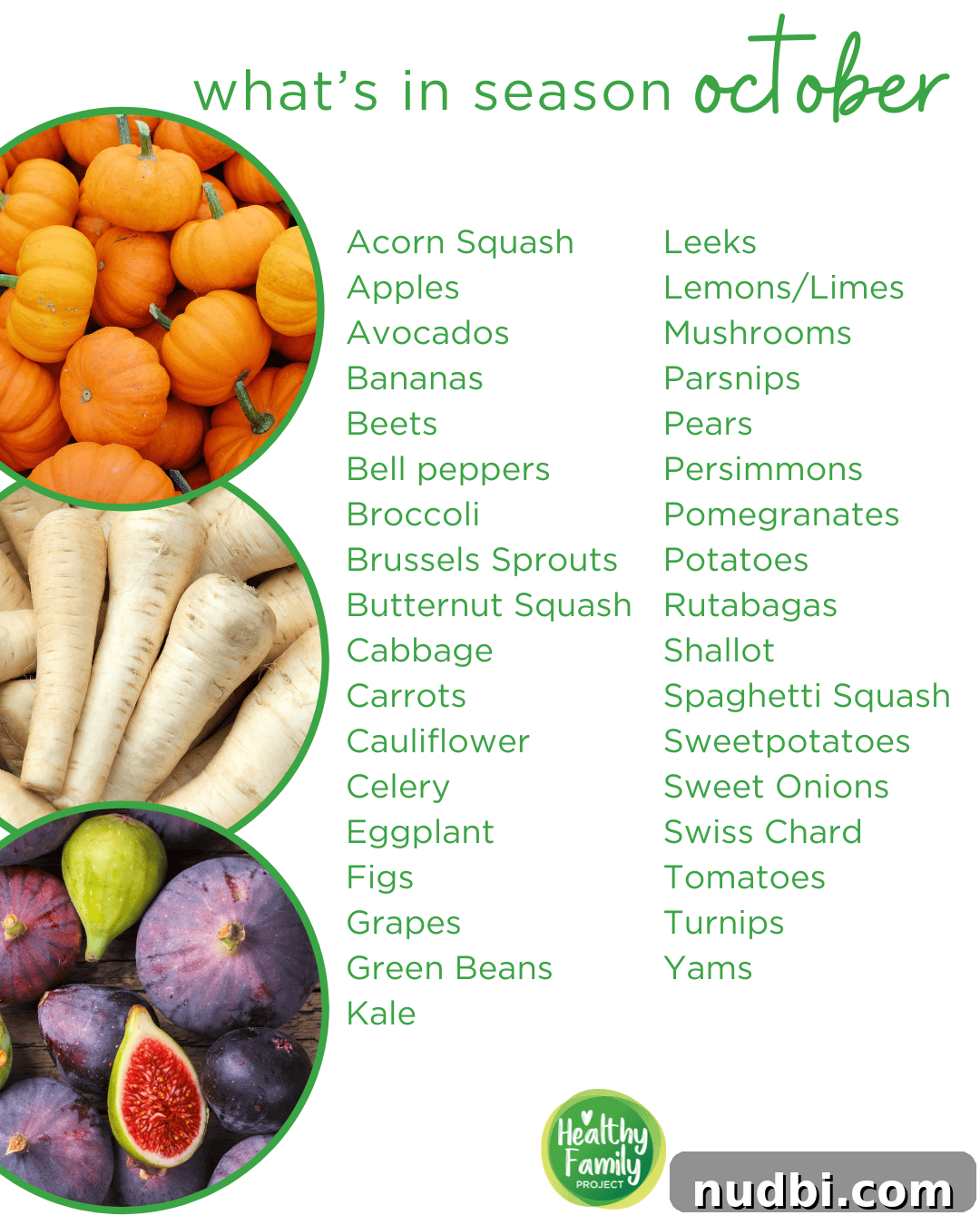
Discover What’s in Season for October: A Full Harvest List

Apples
Apples are undeniably a quintessential fall staple, and October is prime apple-picking season, bringing forth an incredible diversity of varieties to your local markets. From crisp and tart Granny Smiths to sweet and mellow Fujis, there’s an apple for every palate and purpose. This versatile fruit is packed with fiber and Vitamin C, making it a healthy snack choice that also aids digestion and boosts immunity.
When selecting apples, look for firm, smooth-skinned fruits without bruises or soft spots. Store them in the crisper drawer of your refrigerator to maintain freshness for several weeks. Apples can effortlessly transition from sweet to savory dishes. Enjoy them sliced as a simple snack, add them to a vibrant fall salad for a touch of crunch and sweetness, or bake them into a comforting apple crisp or pie. For savory applications, apples pair wonderfully with pork or chicken, adding a subtle sweetness and acidity. Explore these 40 Apple Recipes for Fall or consult this handy guide to apple varieties to discover which ones are best for snacking, cooking, or baking.

Avocados
Avocado lovers can rejoice as this creamy, nutrient-dense fruit is available year-round, making it a reliable favorite for any meal. Avocados are celebrated for their healthy monounsaturated fats, which are beneficial for heart health, and they are also a good source of fiber, potassium, and vitamins K, C, B6, and E. Their rich, buttery texture and mild flavor make them incredibly adaptable.
To select a ripe avocado, gently press near the stem; it should yield slightly. If it’s too hard, let it ripen on your counter. Once ripe, store it in the refrigerator for a few days. Whether you’re topping toast for a quick breakfast, incorporating it into a healthier dessert like Dark Chocolate Avocado Brownies, or whipping up a fresh bowl of guacamole for a party, avocados elevate any dish. They are also fantastic in smoothies for added creaminess, sliced into salads, or mashed as a healthy spread for sandwiches.

Bananas
Bananas consistently rank as one of the world’s most popular fruits, thanks to their convenient packaging, natural sweetness, and impressive nutritional profile. Available year-round, they are an excellent source of potassium, Vitamin B6, and fiber, contributing to healthy blood pressure, nerve function, and digestive health. This makes them an effortless choice for a quick energy boost or a wholesome snack.
Choose bananas based on ripeness preference – green for longer storage, yellow with a few brown spots for immediate consumption. Store them at room temperature; refrigeration can slow further ripening but may darken the skin. Beyond being a simple snack, bananas are a go-to ingredient for smoothies, muffins, pancakes, and can even be transformed into a healthy dessert like “nice” cream. Don’t forget banana bread or using them as a natural sweetener in oatmeal. Fun fact: the average American enjoys around 28 pounds of bananas per year, highlighting their widespread appeal!

Beets
Beets, with their vibrant colors and earthy flavor, are a root vegetable that truly shines in the cooler months, including October. They are nutritional powerhouses, rich in folate, manganese, potassium, and Vitamin C, and are known for their anti-inflammatory properties and ability to support heart health. While some might be hesitant due to their unique taste, proper preparation can transform them into a delicious and versatile ingredient.
When selecting beets, look for firm, smooth, and round roots. If the greens are still attached, they should be fresh and vibrant. Store beets in the refrigerator, separating the greens (which can be cooked like spinach) from the roots. Roasting is a fantastic way to bring out their natural sweetness, making them ideal for adding to salads, blending into refreshing smoothies, or serving as a flavorful side dish. Beets can also be boiled, steamed, pickled, or even juiced for a nutritional boost. Don’t overlook golden beets for a milder flavor and less staining!

Bok Choy
Bok choy, a delightful type of Chinese cabbage, offers a mild, slightly peppery flavor with a satisfying crunch. While it’s often available throughout the year, bok choy is at its prime during the colder months, making October an ideal time to incorporate it into your cooking. It’s an excellent source of vitamins A, C, and K, as well as folate and calcium, contributing to bone health, vision, and immune function.
Choose bok choy with crisp, dark green leaves and firm, white stalks. Store it unwashed in a plastic bag in the refrigerator’s crisper drawer for up to a week. Bok choy is incredibly versatile and can be enjoyed both raw and cooked. It’s a fantastic addition to stir-fries, where its stalks become tender-crisp and its leaves wilt beautifully. It also works well in fresh salads, hearty soups, or as a vibrant side dish simply sautéed with garlic and ginger. For a comforting meal, try it in this homemade Instant Pot Chicken Ramen.

Broccoli
Broccoli is a nutritional superstar, providing a wealth of vitamins and nutrients essential for your body’s well-being. This cruciferous powerhouse is available year-round and is especially rich in vitamins C and K, fiber, and potent antioxidants, supporting everything from bone health to immune defense. Its distinctive flavor and texture make it a welcome addition to nearly any meal.
When selecting broccoli, look for compact, dark green florets and firm stalks. Avoid any yellowing or soft spots. Store it unwashed in the refrigerator’s crisper drawer. Broccoli can be enjoyed in countless ways: finely chop and add to a vibrant salad or transform it into a refreshing broccoli slaw. For an easy side dish, steam it, sauté it, or roast it with olive oil and seasonings to bring out its natural sweetness. It also integrates seamlessly into pasta salads, flavorful stir-fries, comforting casseroles, or even baked goods like cornbread muffins for a hidden veggie boost.

Brussels Sprouts
Brussels sprouts have undeniably made a serious culinary comeback in recent years, shedding their “stinky” reputation to become a beloved fall vegetable. These mini cabbages are particularly good in October and are nutritional powerhouses, high in vitamins K and C, as well as fiber and antioxidants. They are known to support bone health and provide significant anti-inflammatory benefits.
When selecting Brussels sprouts, look for firm, compact heads that are bright green. Store them in a plastic bag in the refrigerator crisper drawer for up to a week. My absolute favorite way to prepare them, and one that often converts skeptics, is by simply tossing them in olive oil, a pinch of salt, and a generous grind of black pepper, then roasting them in the oven until caramelized and tender-crisp. This method beautifully brings out their natural sweetness and nutty flavor. They can also be shredded raw into salads, sautéed with bacon, or added to pasta dishes. If you weren’t a fan of Brussels sprouts as a kid, I urge you to try them roasted – you might just become a convert!

Carrots
Carrots are far more than just a snack for Bugs Bunny; they are a wonderfully versatile and kid-favorite veggie available year-round, with peak flavor in the cooler months like October. Renowned for their high beta-carotene content, which converts to Vitamin A in the body, carrots are essential for good vision, immune function, and skin health. They also provide a good amount of fiber and antioxidants.
When choosing carrots, look for firm, smooth roots with a bright orange color. If the greens are attached, they should be fresh. Store them in the refrigerator, removing the greens first to prevent moisture loss. Carrots can be simply served raw with a side of ranch for dipping, making them a perfect healthy snack. Roasting them brings out an incredible natural sweetness, making them an ideal side dish. They can also be steamed, puréed into soups, or shredded and added invisibly to muffins, hearty soups, comforting mac n cheese, or even meatballs for an added nutritional boost.

Cauliflower
Talk about a comeback veggie! Cauliflower has truly taken the culinary world by storm, emerging as an incredibly versatile and healthy alternative in countless dishes. This cruciferous vegetable, available year-round, is rich in vitamins C and K, folate, and fiber, and boasts powerful antioxidants and anti-inflammatory compounds. Its mild flavor and adaptable texture make it a kitchen chameleon.
When selecting cauliflower, choose a head that is firm, compact, and creamy white, with no brown spots. Store it unwashed in a plastic bag in the refrigerator for up to a week. Cauliflower is now popping up in everything from pizza crust to “fried rice,” showcasing its ability to mimic other ingredients. This versatile veggie can be used to make vibrant pesto, added to mashed potatoes for a lighter, nutrient-dense side, transformed into savory waffles, or grated to replace rice in comforting classic casseroles. You can also roast, steam, or grill it as a standalone side dish.

Celery
Celery, with its distinctive crisp texture and subtle, earthy flavor, is a year-round pantry staple that often takes a supporting role in dishes, yet its contribution is invaluable. It’s best known by kids as the crunchy base for Ants on a Log, but its culinary uses extend far beyond simple snacking. Celery is low in calories, high in water content, and a good source of vitamins K and C, as well as fiber, making it hydrating and beneficial for digestion.
To choose fresh celery, look for firm, bright green stalks that snap easily. Store it in the refrigerator, ideally wrapped in foil or submerged in water, to keep it crisp for longer. Finely chop celery and add it to a refreshing potato salad, use it as a flavorful aromatic base for soups, stews, and casseroles, or dice it to add crunch to salads. It’s also an excellent addition to tuna salad, chicken salad, or a simple crudité platter with your favorite dips.

Corn
October marks the delightful end of peak season for fresh corn, making it the perfect time to enjoy this sweet and succulent vegetable before it becomes a memory of summer. While corn is often associated with warmer months, its sweetness and crisp texture are still very much available and celebrated this month. Corn is a good source of fiber, B vitamins, and antioxidants, contributing to digestive health and providing sustained energy.
When selecting corn, look for husks that are bright green and tightly wrapped. The silk should be damp and golden or brownish. Gently squeeze the ear to feel plump kernels. Store corn with the husks on in the refrigerator for up to a few days. Now is the ideal moment to stock up and freeze fresh kernels for later enjoyment, allowing you to savor its taste throughout the colder months. Or, make the most of the season with one last grilled corn on the cob, topped with a flavorful sauce. Corn is also excellent in salsas, added to soups, or incorporated into fritters and casseroles.

Cranberries
With their vibrant scarlet color and tart flavor, cranberries are a true highlight of the fall and holiday season, and October kicks off their peak availability. These tiny berries are not just beautiful; they are incredibly healthy, boasting a high concentration of antioxidants and Vitamin C. Cranberries are particularly well-known for supporting urinary tract health and reducing inflammation.
When selecting cranberries, look for firm berries that are slightly opaque and have a rich scarlet or fire-engine red color. They should bounce when dropped and give slightly when gently squeezed. Avoid any soft or shriveled berries. Store fresh cranberries in the refrigerator for several weeks or freeze them for up to a year. They are a versatile ingredient, perfect for reducing into a delicious sauce that serves as a topping for chicken or turkey, baking into a delightful Apple & Cranberry Crisp, or serving as a classic cranberry sauce alongside your holiday feasts. They also make excellent additions to muffins, loaves, and even savory stuffing.

Eggplant
Eggplant, with its distinctive deep purple skin and spongy flesh, is a fascinating vegetable that enjoys a good season well into October. Beyond its unique texture, eggplant is a good source of dietary fiber, Vitamin B1, copper, manganese, Vitamin B6, niacin, potassium, folate, and Vitamin K. These nutrients contribute to digestive health, metabolism, and overall well-being. Its mild flavor readily absorbs the tastes of companion ingredients, making it a culinary chameleon.
When choosing eggplant, look for firm, smooth, and glossy skin without blemishes. It should feel heavy for its size. Store it in the refrigerator for up to a week. We absolutely love it in this hearty Kale & Ricotta Stuffed Eggplant Rollatini or as an easy weeknight pasta dish. Eggplant is also fantastic grilled, roasted, fried, or baked. It’s a key ingredient in dishes like ratatouille, moussaka, and various curries, and can even be used as a meat substitute in vegetarian recipes. Don’t be afraid to experiment with this versatile gourd!

Grapes
As summer transitions to fall, grapes remain abundant in October, offering a sweet and juicy snack that’s hard to resist. Did you know there are over 8,000 varieties of grapes worldwide? Whether you’re team green or red grapes, or prefer one of the delightful specialty varieties like Cotton Candy Grapes or “Witches Fingers” grapes, there’s no denying grapes make the perfect, portable snack. They are rich in antioxidants, particularly resveratrol, and vitamins C and K, which contribute to heart health and overall well-being.
When selecting grapes, look for plump, firm berries firmly attached to the stem. Avoid soft, shriveled, or sticky clusters. Store them unwashed in the refrigerator to keep them fresh for up to a week. Now’s an excellent time to stock up on your favorite varieties and freeze them for later enjoyment – frozen grapes make a refreshing and healthy treat! Watch how easy it is to freeze grapes. Beyond snacking, grapes can be roasted for a sweet and savory side, added to fruit salads, or even incorporated into cheese boards for an elegant touch.

Greens
Fresh greens are a cornerstone of healthy eating and remain abundant in October, especially as cooler temperatures bring out their best flavor. Varieties like kale, spinach, lettuce, Swiss chard, and collard greens are packed with vitamins A, C, and K, along with essential minerals and fiber. These nutrient-dense leaves are crucial for bone health, vision, and antioxidant defense.
To choose the freshest greens, look for vibrant, crisp leaves without any yellowing or wilting. Store them unwashed in the refrigerator, ideally in a bag lined with a paper towel, to absorb excess moisture. Fresh greens form the delicious basis for so many tasty recipes like salads, offering a refreshing crunch. They are also incredibly effective for pumping up nutrition in a wide variety of cooked dishes. Blend them into energizing smoothies, stir them into comforting soups, layer them into hearty casseroles, or wilt them into vibrant pasta dishes, stir-fries, and sautés for an easy boost of nutrients.

Kiwi
This small, fuzzy brown fruit, aptly named after New Zealand’s national bird, the kiwi, is a delightful burst of flavor available in abundance in October. Beneath its unassuming exterior lies a vibrant green or sunny yellow flesh, dotted with tiny black seeds, which adds a beautiful splash of color and a sweet-tart tang to any dish. Kiwi is exceptionally rich in Vitamin C, even more so than oranges, and also provides Vitamin K, Vitamin E, and fiber, making it fantastic for immunity, skin health, and digestion.
When choosing kiwi, look for firm fruits that yield slightly to gentle pressure. If they are too hard, allow them to ripen at room temperature. Store ripe kiwi in the refrigerator for several days. Enjoy kiwi peeled and sliced as a simple snack, or get creative! Make these playful Fruity Pita Sandwiches, toss it into a colorful fruit salad for family gatherings, or blend it into smoothies. Its enzyme content also makes it a great tenderizer for marinades, and it pairs well with tropical flavors in salsas and desserts.

Leeks
Leeks, an elegant member of the allium family alongside onions, garlic, shallots, and chives, offer a mild, sweet onion-like taste that is less pungent than its relatives. October is a great time to find leeks, and they add a sophisticated layer of flavor to many fall dishes. Leeks are a good source of vitamins K and A, as well as manganese and dietary fiber, contributing to blood clotting, vision, and digestive health.
When selecting leeks, look for firm, straight stalks with dark green tops and white bottoms. Avoid any that are yellowing or slimy. Due to their layered structure, leeks can harbor dirt, so make sure to thoroughly rinse them, especially between the leaves, and pat dry with a paper towel before consuming. You can roast them for a tender and sweet side dish, add them raw (thinly sliced) to a salad for a delicate oniony crunch, use them as a beautiful garnish for creamy soups, or incorporate them into hearty casseroles, quiches, and gratins. They are also fantastic in risottos and pasta sauces, providing a subtle depth of flavor.

Lemons & Limes
Both lemons and limes are culinary essentials, readily available year-round, and truly indispensable for adding a burst of bright, tangy flavor to a multitude of dishes, both sweet and savory. These citrus powerhouses are brimming with Vitamin C, which is vital for immune support and skin health, and they also contain antioxidants and beneficial plant compounds. Their acidity can also tenderize meats and brighten the flavors of other ingredients.
When selecting lemons and limes, choose fruits that are firm, heavy for their size, and have smooth, glossy skin. Store them at room temperature for up to a week or in the refrigerator for up to a month. Juice them for a fresh, homemade salad dressing or vinaigrette, use their zest and juice to season chicken, delicate fish, or roasted veggies. The vibrant zest can also elevate baked goods and desserts. For an extra zing, combine their unique flavors to create zesty marinades or use them in recipes like these Baked Avocado Fries. Don’t forget their role in refreshing beverages and cocktails!

Mango
Mangoes, often hailed as the “king of fruits,” continue to offer their tropical sweetness well into October. This vibrant fruit is not only delicious but also incredibly nutritious, packed with vitamins C and A, folate, and fiber. Mangoes contribute to immune health, vision, and digestion, making them a fantastic addition to any diet. Their juicy, tender flesh and distinctive flavor are truly a treat.
To identify a ripe mango, look for fruits that give slightly when squeezed gently; these will be ready to eat. Unripe mangoes can be stored on the counter until they reach your desired ripeness. Once ripe, store them in the refrigerator for a few days. Mangoes are incredibly versatile: blend them into refreshing smoothie popsicles, add them to a tangy stir-fry for a sweet and savory kick, or enjoy them in a fresh salad with a zesty vinaigrette. They are also excellent in salsas, desserts, and even as a flavorful component in marinades for grilled chicken or fish.

Melons
While summer’s peak has passed, several varieties of melons, including crisp watermelon, sweet cantaloupe, and refreshing honeydew melon, are still beautifully in season in October. These juicy fruits are not just delicious; they boast an exceptionally high water content, making them excellent for keeping you hydrated as the weather cools. They also provide vitamins A and C, along with various antioxidants.
When selecting melons, choose ones that feel heavy for their size. Cantaloupe and honeydew should have a fragrant aroma at the stem end, and watermelon should have a creamy yellow spot where it rested on the ground. Store whole melons at room temperature, and once cut, refrigerate promptly. Enjoy these delightful fruits sliced and served simply, perhaps on a stick as a fun fruit popsicle. They are a classic component of any fruit salad, offering sweetness and moisture. For a unique appetizer, try this tasty Berry Melon Bruschetta, or blend them into refreshing beverages and smoothies.

Mushrooms
Mushrooms, the earthy and umami-rich fungi, are widely available year-round, and their subtle, savory flavor makes them a fantastic addition to hearty fall dishes in October. Did you know mushrooms are the only natural food source of Vitamin D, especially when exposed to UV light? They also provide B vitamins, selenium, and copper, supporting bone health, energy metabolism, and antioxidant defense. Their unique texture and ability to absorb flavors make them incredibly versatile.
When choosing mushrooms, look for firm, smooth caps with no slimy spots. Store them in a paper bag in the refrigerator for best results, as this allows them to breathe. Mushrooms are so versatile: you can finely chop and blend them into ground meats for healthier tacos or burgers, which is a great way to reduce meat consumption and add flavor. They are also perfect as a base for delightful appetizers like these Pizza Stuffed Mushrooms, or added to easy weeknight dinners such as this Asian Chicken Stir Fry. Sautéed mushrooms are a classic side, and they excel in omelets, pasta sauces, and gravies.

Okra
As October progresses, we’re hitting the end of okra season, so seize the opportunity to enjoy these distinctive pods while they are still readily available. Okra, a staple in Southern cuisine, offers a unique flavor and texture that can be incredibly appealing when prepared correctly. It is a good source of vitamins C and K, folate, and dietary fiber, supporting digestive health and immune function.
When selecting okra, look for pods that are firm, bright green, and free from blemishes. Smaller pods are often more tender. Store them unwashed in a paper bag in the refrigerator for up to a few days. To counteract the characteristic “sliminess” that some people find off-putting when cooking, a common trick is to soak them in vinegar for about 30 minutes before cooking. This helps reduce the mucilage. Okra is delicious fried, roasted, grilled, or stewed. It’s an essential ingredient in classic gumbos, and can also be added to curries, stir-fries, or pickled for a tangy snack.

Pears
Pears are a true fall staple, with their crisp yet juicy flesh and delicate sweetness, making them an October delight. There are over 3,000 known varieties of pears, each offering a slightly different flavor and texture, from the buttery Bosc to the sweet Anjou. Pears are an excellent source of fiber, Vitamin C, and potassium, contributing to digestive health, immunity, and blood pressure regulation.
When selecting pears at the store, remember the “Check the Neck” rule: gently apply pressure to the neck of the pear with your thumb. If it yields slightly, it’s perfectly ripe and ready to eat! Store unripe pears at room temperature, and once ripe, refrigerate them to slow down the ripening process. Pears are fantastic for snacking on their own, making delightful desserts like baked pears or tarts, blending into refreshing smoothies, or adding to savory dishes with cheeses and nuts. Their subtle sweetness also complements pork and chicken dishes beautifully.

Pomegranates
Pomegranates, with their jewel-like arils and vibrant ruby color, are a stunning fruit that comes into season in October. They are not only beautiful but also incredibly healthy, famously rich in powerful antioxidants, particularly punicalagins, which offer significant anti-inflammatory and health benefits. Pomegranates also provide Vitamin C and fiber, supporting immunity and digestion.
When choosing a pomegranate, look for one that feels heavy for its size and has firm, unblemished skin. Store them at room temperature for a few days or in the refrigerator for up to several weeks. While they may appear difficult to seed, it’s actually fairly easy to do without making a mess (watch here for a quick guide). The juicy arils are perfect for snacking on their own, adding a burst of flavor and crunch to fresh salads, or dressing up festive dishes like avocado toast. They also make excellent garnishes for main courses, desserts, and can be pressed for a refreshing juice.

Potatoes
Potatoes are a year-round staple, but their comforting presence truly resonates in the fall months, making October an excellent time to explore their vast potential. With more than 600 types of potatoes sold in the US, the culinary possibilities are genuinely endless. While potatoes sometimes get an unfair reputation, skin-on potatoes are a fantastic source of Vitamin C, potassium, and Vitamin B6, making them a nutritious part of a balanced diet, especially when prepared healthily.
When selecting potatoes, choose firm, smooth, and blemish-free tubers. Store them in a cool, dark, and well-ventilated place, away from onions, to prevent sprouting and greening. Whether you’re looking for healthy ways to top a baked potato, exploring different ways to season roasted potatoes, or simply seeking wholesome potato recipes, we’ve got you covered. Potatoes can be mashed, fried, boiled, grilled, or added to soups, stews, and curries. Their versatility makes them a budget-friendly and satisfying foundation for countless meals.

Pumpkin
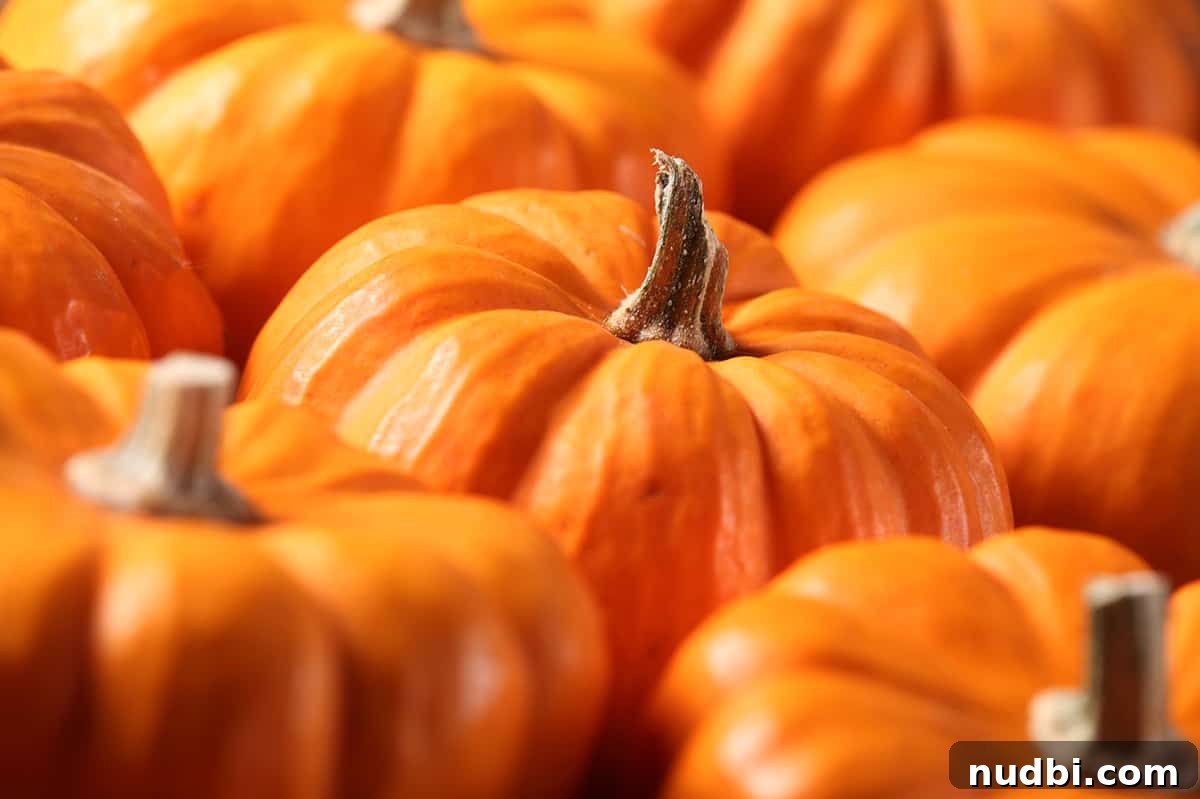
No, we’re not just talking about the ones you carve for Halloween decorations. October is prime time for culinary pumpkins – specifically, sugar pumpkins, otherwise known as pie pumpkins. These smaller, sweeter varieties are at the heart of all your favorite fall pumpkin recipes. Pumpkin is a nutritional powerhouse, rich in Vitamin A (from beta-carotene), Vitamin C, potassium, and fiber, making it excellent for vision, immunity, and digestive health.
When picking a culinary pumpkin, look for small, firm, and heavy ones with no soft spots. Store them in a cool, dark place for up to a month or more. Check out this post for tons of pumpkin recipe inspiration and more about picking the perfect pumpkin. Beyond pies, pumpkin puree can be added to soups, curries, chilis, muffins, bread, and even smoothies. Roasting pumpkin wedges with savory spices makes a delicious side dish, and don’t forget to roast the seeds for a crunchy, nutritious snack!

Raspberries
As we delve into October, we’re heading into the last month of raspberry season for many regions, so grab these delicate and delicious berries before they become scarce! Raspberries are not only intensely flavorful but also incredibly healthy, loaded with fiber, Vitamin C, Vitamin K, and manganese. They are known for their antioxidant properties and their role in supporting digestive health and reducing inflammation.
When selecting raspberries, look for plump, firm, and vibrantly colored berries that are free from mold. Store them unwashed and in a single layer in the refrigerator for only a day or two, as they are quite perishable. A fantastic tip is to freeze them for adding to smoothies later, preserving their summer essence. Alternatively, enjoy them fresh in this delicious Raspberry Mint Hot Chocolate, atop yogurt or oatmeal, in fruit salads, or baked into muffins and tarts. Their sweet-tart flavor also pairs well with savory dishes, especially those involving poultry or pork.

Rutabagas
You may not be too familiar with this hearty root veggie, but don’t let that scare you! Rutabagas, a cross between a turnip and a cabbage, truly come into their own during the fall and winter months, including October. They offer a unique, slightly sweet and earthy flavor, often mellowing beautifully when cooked. Rutabagas are a good source of Vitamin C, potassium, and fiber, contributing to immune health and digestion.
When selecting rutabagas, choose ones that are firm, heavy for their size, and free from soft spots or blemishes. Store them in a cool, dark place or in the refrigerator for several weeks. Like most root veggies, they’re utterly delicious roasted, which brings out their natural sugars and creates a lovely caramelized exterior. Check out this post to see how easy they are to roast, and grab a few yummy recipe ideas. Rutabagas can also be boiled and mashed, added to stews and soups, or used in gratins. They pair wonderfully with other root vegetables and savory meats, making them a comforting addition to fall and winter meals.

Strawberries
While often associated with summer, California strawberries are renowned for having an extended season, meaning this favorite fruit can still be found at its delicious best in October! These sweet and juicy berries are packed with Vitamin C, antioxidants, and manganese, supporting immune health, collagen production, and overall cellular function. Their vibrant color and irresistible flavor make them a universally loved fruit with endless culinary possibilities beyond just snacking.
When choosing strawberries, look for bright red, plump berries with green caps. Avoid any that are bruised, shriveled, or moldy. Store them unwashed in the refrigerator for a few days. Blend them into wholesome muffins, create the perfect smoothie for breakfast or a snack, add them to a delicious and refreshing fruit salsa, or beautifully top off your pancakes or waffles. Strawberries are also fantastic in salads, cheesecakes, jams, and simply sliced with a dollop of whipped cream.

Sweet Onions
Sweet onions are a true staple in almost every kitchen, available year-round, and essential for building a flavorful foundation for countless meals, especially as fall cooking takes center stage in October. Unlike their more pungent counterparts, sweet onions offer a milder, less tear-inducing flavor, making them ideal for both raw and cooked applications. Onions, in general, are a good source of Vitamin C, B vitamins, and powerful antioxidants, contributing to immune health and reducing inflammation.
When selecting sweet onions, look for firm, dry bulbs with thin, papery skin. Store them in a cool, dry, and well-ventilated place. While I still haven’t quite mastered cutting onions without shedding a tear, we simply cannot deny they’re essential to adding depth and sweetness to everything from comforting soups and hearty chili to savory meatballs and filling breakfast burritos. They caramelize beautifully when sautéed or roasted, adding a rich sweetness that enhances stir-fries, casseroles, and even salads.

Sweet Potatoes
Sweet potatoes are available year-round, but they truly enter their peak season (and probably start invading your Pinterest feed) during the glorious fall months, making October an ideal time to enjoy them. These vibrant tubers are a nutritional powerhouse, boasting an excellent source of Vitamin A (in the form of beta-carotene), Vitamin C, manganese, and fiber. They are crucial for vision, immunity, skin health, and digestive well-being.
When selecting sweet potatoes, look for firm, smooth-skinned roots without any blemishes or sprouts. Store them in a cool, dark, and well-ventilated place, but avoid refrigeration, which can alter their flavor and texture. Their natural sweetness and creamy texture make them incredibly versatile. Mash them for a tasty vegetarian filling in a black bean quesadilla, thinly slice and bake them into crispy chips, roast them as part of a flavorful sheet pan dinner with other fall vegetables and proteins, or even add them to a wholesome breakfast parfait (yes, really, it’s delicious!). They are also fantastic in soups, stews, and as a healthy alternative to regular fries.

Turnips
Turnips, a robust member of the cabbage family, are hearty root vegetables that thrive in cooler weather, making October an ideal time to feature them in your cooking. They are high in vitamins B and C, fiber, and various minerals, contributing to immune support, collagen formation, and digestive health. Turnips have a slightly bitter and peppery taste, reminiscent of radish, which mellows considerably and becomes sweeter when cooked.
When selecting turnips, choose small to medium-sized ones that are firm and heavy for their size. If the greens are attached, they should be fresh and vibrant (and are also edible!). Store them in the refrigerator, separating the greens from the roots. Because of their slightly bitter profile, turnips pair beautifully with sweeter vegetables or rich meat dishes. Try them roasted alongside sweet potatoes or carrots to balance flavors, or glazed with a touch of maple syrup. They are also excellent when added to stews, soups, or puréed with other root vegetables. Check out a few tasty recipe ideas here to discover how to best incorporate turnips into your fall meals.

Winter Squash
As autumn truly sets in, winter squashes become a celebrated centerpiece of fall cuisine, and October is their prime season. Varieties like robust acorn squash, creamy butternut squash, and stringy spaghetti squash are all at their peak. These nutritional powerhouses are rich in vitamins A and C, fiber, and potassium, offering immune support, vision benefits, and digestive health. Their hard skins allow for long storage throughout the colder months.
When choosing winter squash, look for firm, heavy squashes with dull skins (shiny skin indicates immaturity). Avoid soft spots. Store them in a cool, dry place for several weeks or even months. We absolutely love to roast winter squashes to bring out their incredible natural sweetness, making them a perfect side dish or base for soups. You can also chop and sauté them for a delicious one-pot meal, or utilize spaghetti squash as a fantastic, low-carb pasta substitute. Winter squashes are also excellent in curries, gratins, and stuffed with savory fillings for a comforting meal.