Healthy After-School Snacks That Won’t Ruin Dinner: Expert Tips for Parents
Parents worldwide share a common experience: the moment children burst through the door after school, their hunger often feels insatiable. Active days filled with learning, playing, and growing burn an immense amount of energy, leaving kids absolutely ravenous. Yet, finding the perfect after-school snack is a delicate balancing act. You want to provide essential nourishment and curb immediate hunger, but without filling them up so much that they refuse the family dinner. This comprehensive guide, informed by registered dietitian insights, offers practical strategies and delicious, healthy after-school snack ideas to help you navigate this common challenge, ensuring your children stay satisfied and maintain a healthy appetite for dinner.
If your kids are like mine, they don’t just come home from school hungry; they arrive famished. The key is to draw a clear line between providing a much-needed energy boost after a long day and inadvertently spoiling their appetite for the upcoming family meal. Every family is unique, and what works for one household might not be suitable for another. Understanding your child’s specific hunger patterns and tailoring your snack approach accordingly is paramount. Let’s explore some flexible and effective after-school snack ideas that will satisfy those growling tummies without compromising dinner.
What Makes a Truly Good Snack for Kids?
Children are undergoing an extraordinary amount of growth and development, demanding a consistent supply of nutrients and energy. Therefore, the best snacks for kids aren’t just hunger suppressors; they are opportunities to supplement their diet, filling in nutritional gaps that might have been missed during breakfast or lunch. Think of snacks as valuable mini-meals, strategically designed to provide essential fuel for their active bodies and rapidly developing minds.
Instead of habitually reaching for typical processed snack foods—such as chips, sugary cookies, and artificial fruit snacks—which offer fleeting satisfaction but limited nutritional benefits, prioritize what we call “meal foods.” While occasional treats certainly have their place, the majority of your after-school snack offerings should mirror the healthy components you’d find in a well-balanced meal. This means focusing on:
- Whole Grains: These provide complex carbohydrates, offering sustained energy release vital for preventing energy crashes. Examples include whole-wheat bread, oats, whole-grain crackers, and brown rice cakes.
- Fruits and Vegetables: Bursting with essential vitamins, minerals, antioxidants, and fiber. Offer a wide, colorful variety to ensure your child receives a broad spectrum of vital nutrients.
- Lean Proteins: Crucial for growth, muscle development, and promoting a feeling of fullness that lasts longer. Consider options like Greek yogurt, cheese, hard-boiled eggs, nuts, seeds, beans, and lean deli meats.
- Healthy Fats: Important for brain development, hormone production, and overall satiety. Good sources include avocados, nuts, seeds, and natural nut butters.
By consciously choosing nutrient-dense options, you ensure your children receive valuable sustenance, preparing them better not only for dinner but also supporting their overall health and cognitive function.
Navigating the Tricky Terrain of After-School Snacks
The timing and composition of after-school snacks are critical, often proving to be a source of parental dilemma. Depending on your family’s specific dinner schedule, a hearty or poorly timed snack can inadvertently lead to a child being too full to eat their main meal. When children approach the dinner table already satiated, their motivation to eat—let alone to try new foods or experiment with different flavors—diminishes significantly. This scenario can frequently lead to power struggles at the dinner table, wasted food, and missed opportunities for nutritional variety, making mealtimes stressful rather than enjoyable.
Your ultimate goal in after-school snacking is to strike a delicate balance: providing just enough to curb the intense hunger that often accompanies the end of a school day, while simultaneously ensuring they still possess a healthy appetite and curiosity for dinner. This equilibrium is fundamental to fostering positive eating habits, encouraging adventurous palates, and making meal times a pleasant family experience rather than a dreaded chore. Recognizing your child’s true hunger cues and adjusting snack portions and types accordingly will empower you to manage this challenge effectively.
General Principles for Smart After-School Snacking
Beyond specific food suggestions, adopting a few foundational principles can significantly enhance your overall approach to after-school snacking and contribute to healthier eating habits:
- Encourage Mindful Eating: Teach your children to differentiate between true physiological hunger and other cues like boredom, thirst, or emotional eating. Always offer water first before assuming it’s time for a snack.
- Involve Kids in Snack Preparation: When children actively participate in choosing, washing, or even assembling their snacks, they develop a sense of ownership and are far more likely to eat them. This also provides valuable opportunities to educate them about healthy food choices.
- Prioritize Portion Control: Even the healthiest snacks can impact dinner appetite if consumed in excessive quantities. Be mindful of portion sizes, especially as dinner time approaches.
- Promote Variety: Regularly rotate your snack offerings to ensure a broad spectrum of nutrients and to keep snack time exciting and engaging for your kids. This helps prevent dietary ruts and broadens their palate.
- Hydration is Key: Many times, what appears to be hunger is actually thirst. Keep water readily available and encourage a glass of water before offering any solid snack.
- Create an Accessible Snack Station: Designate a specific shelf in the refrigerator or pantry for healthy, pre-portioned snack options that children can easily access (with parental guidance or permission). This fosters independence while maintaining healthy choices.
After-School Snack Ideas Tailored to Dinner Timing
Every child possesses a unique appetite profile. Some children, particularly during rapid growth spurts, seem perpetually hungry and require more substantial fuel. Others may have smaller appetites and tend to fill up more quickly. Therefore, your approach to after-school snacks should be flexible, adaptable, and customized to your family’s specific schedule and your child’s individual needs. Here are some versatile ideas, strategically categorized by how much time remains until your family sits down for dinner.
If Dinner is 3 (or More) Hours Away: Substantial & Sustaining Snacks
When dinner is still a significant amount of time away, your primary objective is to provide a snack with considerable “staying power.” This necessitates incorporating complex carbohydrates for sustained energy release, along with ample protein and healthy fats to promote long-lasting satiety and effectively prevent another bout of intense hunger before dinner. Think of these options as balanced mini-meals designed to bridge a longer gap.
- Yogurt Parfait with Fresh or Frozen Berries: Layer plain Greek yogurt (which is higher in protein) with a colorful mix of fresh or frozen berries and a light sprinkle of whole-grain granola. Berries offer antioxidants and fiber, while yogurt provides probiotics and essential protein. For a fun twist, consider making Fireworks Parfaits.
- Mashed Avocado on Whole-Grain Toast: A deceptively simple yet incredibly nutritious choice. Avocado delivers heart-healthy monounsaturated fats, and whole-grain toast provides complex carbohydrates for sustained energy. A pinch of salt or a squeeze of lime can enhance the flavor.
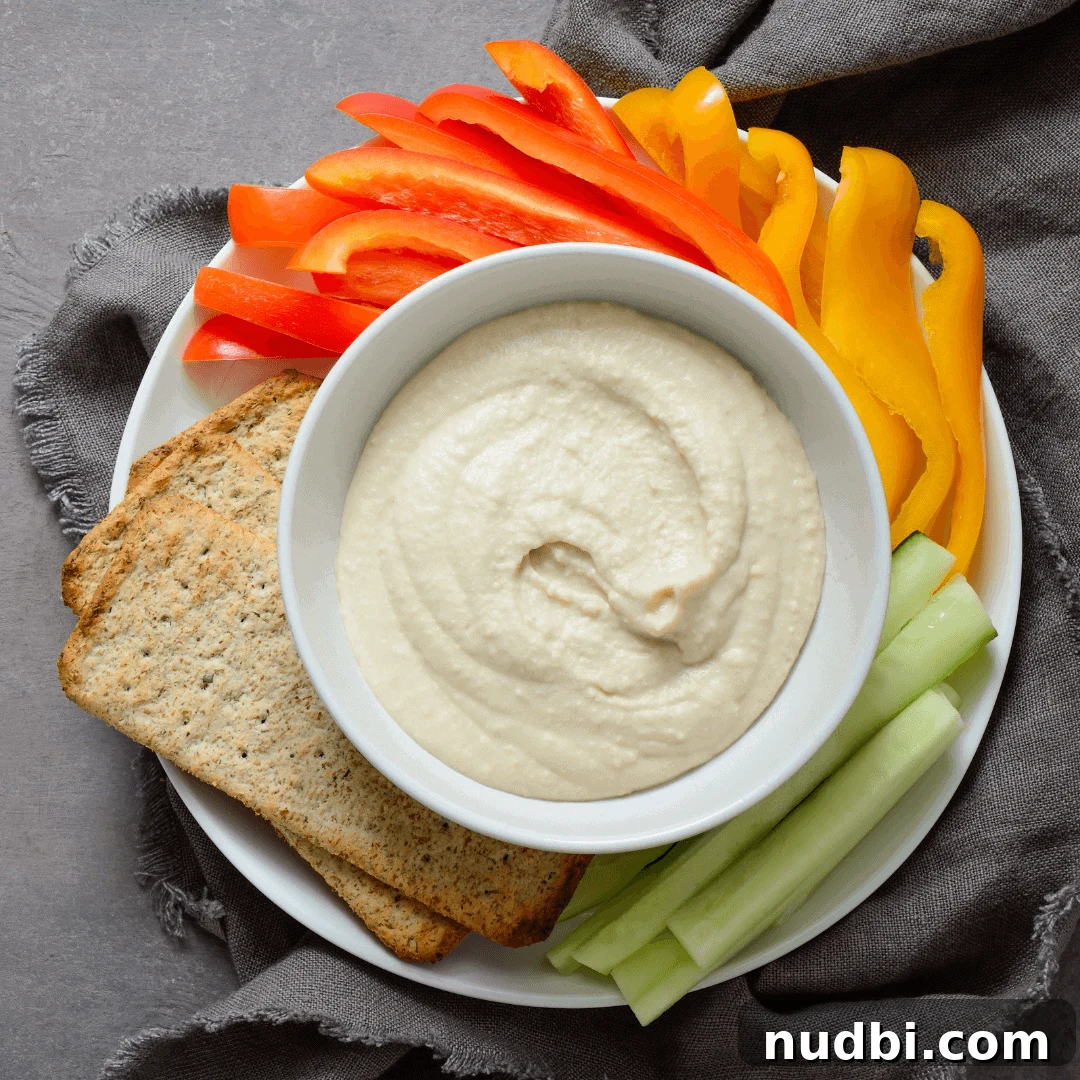
- Hummus and Whole-Wheat Pita Bread or Veggie Sticks: Homemade Hummus is remarkably easy to prepare and a fantastic source of plant-based protein and fiber. Pair it with whole-wheat pita pockets, crisp cucumber slices, carrot sticks, or vibrant bell pepper strips for a satisfying crunch.
- Half a Sandwich with Lean Protein: A small portion of a turkey, chicken, or cheese sandwich on whole-grain bread offers a balanced mix of protein and carbohydrates. You can also include a glass of milk for added calcium and protein.
- Small Plate of Leftovers: Repurpose a small, child-friendly serving of last night’s dinner. This is an excellent, practical way to reduce food waste and provide a quick, well-balanced snack that’s already prepared.
- Hard-Boiled Egg + Whole Grain Crackers: Eggs are a complete protein source, offering all essential amino acids. Combine them with fiber-rich whole-grain crackers for a crunchy, nutrient-dense, and satisfying snack.
- Nutrient-Rich Smoothie: Blend plain yogurt or milk with a frozen banana, a handful of spinach (which kids often won’t taste!), and a scoop of almond or peanut butter. This is a brilliant way to incorporate extra fruits, vegetables, and healthy fats.
- Small Bowl of Oatmeal Topped with Berries: Oatmeal provides slow-releasing energy that helps sustain hunger. Enhance its nutritional profile with fresh or frozen berries and a small sprinkle of chopped nuts or seeds for added texture and nutrients.
- Cup of Cottage Cheese with Fruit: Cottage cheese is remarkably high in protein and pairs wonderfully with sliced peaches, juicy pineapple chunks, or any type of fresh berries.
- Whole Grain Waffle with Nut or Seed Butter: A toasted whole-grain waffle spread with almond butter, peanut butter, or sunflower seed butter offers a good mix of carbohydrates, protein, and healthy fats. Explore creative recipes like these Fruity Multigrain Waffles.
If Dinner is 2 Hours Away: Light & Quickly Digestible Snacks
When dinner is approaching within approximately two hours, your snacking strategy should shift. The aim here is to offer snacks that effectively curb immediate hunger but are relatively light and easy to digest, ensuring your child still retains a robust appetite for the main meal. Focus on nutrient-rich options that won’t feel too heavy in their stomachs and won’t linger too long before dinner.
- Air-Popped Popcorn + Apple Slices or Berries: Popcorn, especially air-popped and without excessive butter or salt, is a whole grain and a good source of fiber. Pair it with naturally sweet apple slices or a handful of fresh berries for a boost of vitamins and natural sugars.
- Whole Grain Crackers + Banana: A simple yet highly effective combination. Whole grain crackers offer valuable fiber, and a banana provides natural sugars for quick energy and essential potassium.
- Homemade Ice Pops: Prepare these by blending fresh fruit with a little yogurt or natural juice and freezing them in ice pop molds. These are wonderfully refreshing, hydrating, and significantly lighter than most store-bought versions. Try inspiring recipes like these Green Smoothie Pops.
- Small Bowl of Whole Grain Cereal with Milk: Choose a low-sugar, whole-grain cereal. A small portion provides a quick energy boost without being overly filling or heavy.
- Cheese Stick + Pretzels: A single cheese stick offers a convenient source of protein and calcium, while a small handful of pretzels provides a satisfying salty crunch. Always keep pretzel portions moderate.
- Apple Slices with a Thin Spread of Nut or Seed Butter: This classic combination is a winner. The fiber in the apple combined with the protein and healthy fats in the butter offers a satisfying mini-meal that isn’t too heavy before dinner.
- Small Handful of Nuts + Cup of Unsweetened Applesauce: A nutrient-dense pairing. Nuts provide healthy fats and protein, and unsweetened applesauce is a good source of vitamins and dietary fiber.
- Few Pieces of Beef Jerky + Small Chocolate Milk: For older children or those requiring a quick protein boost, a few pieces of low-sodium beef jerky (check ingredients carefully) combined with a small glass of chocolate milk can be a surprisingly satisfying and quick snack.
- Ants on a Log: This playful and nutritious snack consists of celery sticks filled with peanut or almond butter and topped with a few raisins. It offers a great mix of fiber, protein, and natural sweetness. Learn how to make classic Ants on a Log.
- One or Two Energy Bites: Typically made with oats, nut butter, and natural sweeteners, these small bites can provide a quick burst of energy and concentrated nutrients without being overly filling. Look for recipes like these No Bake Granola Bites.
If Dinner is 1 Hour Away: The “Veggies Only” Strategy
When dinner is a mere hour away, the most prudent approach is to be exceedingly selective with snacks, or ideally, offer something that will not significantly impact their appetite for the main meal. This is precisely where the “veggies only” policy proves to be incredibly effective and beneficial. It’s a strategy many parents, including myself, have adopted with great success.
The core principle of this policy is elegantly simple: if your children are genuinely hungry, they will readily eat vegetables. If they are not truly hungry, they will often pass on the veggie snack, meaning their appetite is still intact for dinner. This approach ensures two highly positive outcomes:
- Guaranteed Veggie Intake: If they choose to eat the vegetables, they have already consumed a healthy serving (or potentially more!) of nutrient-rich produce before the main meal. This significantly reduces any pressure to “finish their greens” at dinner.
- Preserved Dinner Appetite: If they opt out of the pre-dinner veggie snack, it confirms that they are indeed hungry enough for dinner and will likely approach the meal with a healthy, eager appetite, ready to enjoy whatever is served.
Offer a diverse array of raw, cooked, or lightly prepared vegetables. You can conveniently use vegetables you’re already preparing for dinner, making this strategy incredibly easy to implement without extra effort.
- Raw, Sliced Veggie Sticks with a Light Dip: Offer a colorful selection of carrots, celery, bell peppers (various colors), cucumber slices, cherry tomatoes, or sugar snap peas. Pair them with a small portion of a healthy dip like hummus or a light, homemade ranch dressing.
- Crunchy Salad Greens with a Favorite Dressing: A small bowl of fresh, crisp mixed greens (such as romaine, spinach, or kale) with a light drizzle of olive oil and vinegar or a favorite light dressing can be surprisingly appealing and refreshing.
- Simple Vegetable Salad: A small serving of a refreshing and easy-to-digest vegetable salad. For instance, a light Carrot Raisin Salad can provide a touch of sweetness and satisfying crunch.
- Cooked Veggies You’re Serving with Dinner: Steamed broccoli florets, tender roasted sweet potato cubes, crisp green beans, or sweet corn kernels are excellent options. Since these are already being prepared for the main meal, it’s effortless to offer a small portion beforehand.
This “veggies only” rule not only helps manage dinner appetite but also subtly teaches children to distinguish between true hunger and casual snacking, promoting more mindful and healthy eating habits from an early age.
When Conventional Strategies Don’t Quite Fit: Adjusting Dinner Time
Despite your best efforts with snack planning and timing, sometimes family dynamics and individual appetites simply demand a different structural approach. If you find your children consistently struggling with intense hunger before dinner or, conversely, always too full to eat their evening meal, considering an adjustment to your dinner schedule might be the most effective solution.
- Moving Dinner Earlier: If your family schedule and commitments allow, an earlier dinner (for example, between 4:00 PM and 4:30 PM) can be a profound game-changer. This strategy intelligently taps into your children’s natural peak hunger window, ensuring they receive a substantial, well-balanced meal when they are most receptive and eager to eat. You can either join them for the entire meal or have a portion with them and finish your own dinner later. This approach can significantly reduce the pressure and need for large, filling after-school snacks.
- Pushing Dinner Later: Conversely, if your children genuinely need a more substantial and satisfying snack after school to fuel their activities and simply cannot make it until an earlier dinner, then shifting dinner later might be the optimal solution. This allows them to have a truly filling snack to sustain their energy, and then approach a later dinner with a renewed, healthy appetite. This can be particularly useful for families with late-evening extracurricular activities or parents who arrive home later from work.
Remember, there is no single “right” time for dinner that fits all families; the best schedule is the one that works harmoniously with your family’s unique rhythms, daily commitments, and your children’s natural hunger patterns. Be flexible, experiment with different timings, and strive to find what creates the most relaxed, positive, and nutritionally beneficial mealtime environment for everyone involved.
As your children grow and mature, their energy demands and appetites will naturally evolve. What worked perfectly last year might need tweaking or a complete overhaul next year. Schedules shift, activities change, and growth spurts come and go. Stay adaptable, listen closely to your kids’ cues, and continuously adjust your snack and dinner strategies to best support their health, well-being, and overall development. The overarching goal is to establish sustainable healthy eating habits and a positive relationship with food that will benefit them for a lifetime.
Pin or Print for Later!
Don’t let after-school hunger derail your carefully planned dinner. Save these dietitian-approved tips and healthy snack ideas to easily reference whenever you need them!