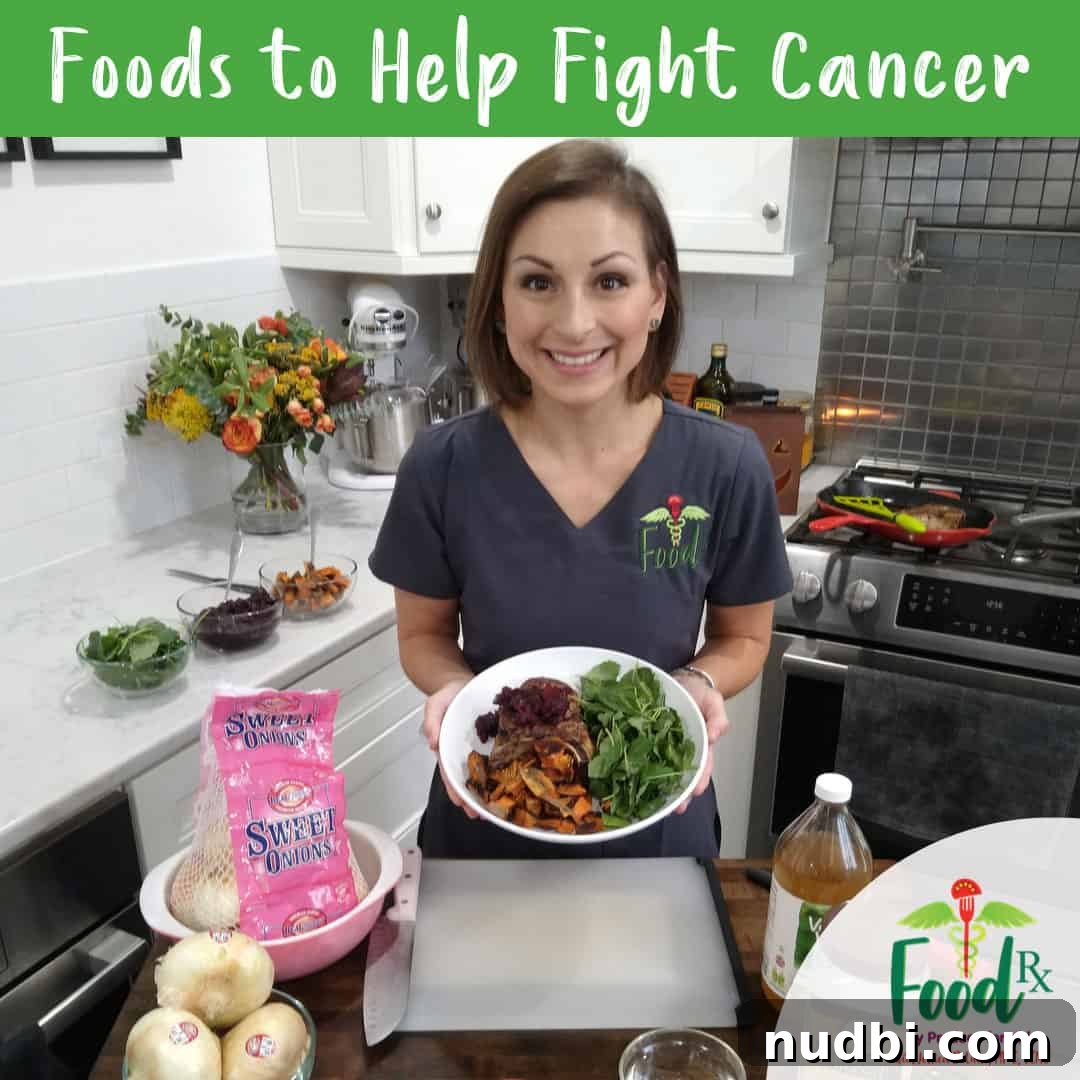
Welcome to Food Rx, a special monthly series hosted by Jessica DeLuise, PA-C, CCMS – a dedicated physician assistant and culinary medicine specialist. In this ongoing program, we delve into the profound impact food has on our holistic health, offering practical guidance and delightful, kid-friendly recipes. Our mission is to help your family integrate more fresh produce and nutrient-rich ingredients into your daily diet, fostering lifelong healthy habits. Be sure to tune into the Produce for Kids Instagram channel on the first Sunday of every month at 12 PM ET for our insightful live segments!
Nourish to Flourish: Empowering Your Health with Cancer-Fighting Foods
This month on Food Rx, we tackle a topic that affects countless lives: cancer. As October marks Breast Cancer Awareness Month, it’s a crucial time to reflect on the various factors influencing cancer risk. While genetics, environmental exposures to carcinogens, and certain lifestyle choices play a role, the foods we choose to eat – and those we don’t – hold significant power in shaping our long-term health and disease prevention strategies.
At the heart of our Food Rx philosophy is the belief that a well-nourished body is a resilient body. By establishing habits centered around nutrient-dense foods during childhood, we empower the next generation to carry these beneficial dietary patterns and positive food relationships into adulthood. Moreover, many of the foods we’ll explore not only help reduce cancer risk but also actively support robust immune system function and promote overall wellness, contributing to a vibrant, healthier life for every family member.
The excellent news is that most of these powerful, cancer-fighting foods are readily available at your local grocery store, and chances are, you’re already incorporating some of them into your diet. This guide aims to deepen your understanding and inspire you to discover new, delicious ways to enhance your family’s meals. Remember, everyone’s health journey is unique. To truly understand which foods and actions are best suited for your specific needs, we always recommend discussing cancer risk factors and dietary changes with your trusted wellness practitioner.
The Food Rx: Incorporating Cancer-Fighting Ingredients for a Healthier You
Embracing a diet rich in certain foods can significantly contribute to lowering your cancer risk. Let’s explore some of the most potent ingredients you can add to your daily menu to build a stronger defense against disease.
10 Key Foods that Help Reduce Cancer Risk:
- Onions: A foundational member of the allium family, which also includes leeks, chives, and shallots, onions are more than just a flavor enhancer. Their regular consumption has been strongly associated with a reduced risk of colorectal, stomach, and prostate cancers. The powerful compounds found in onions, such as quercetin and organosulfur compounds, are believed to possess anti-inflammatory and antioxidant properties that can inhibit cancer cell growth and proliferation. A compelling study conducted in Puerto Rico, for instance, revealed an inverse relationship between breast cancer incidence and the consumption of sofrito, a traditional condiment rich in onions and garlic, suggesting significant protective effects.
- Garlic: Beyond its legendary ability to ward off vampires, garlic is a powerhouse of health benefits. It contains potent antioxidant phytochemicals called allyl sulfides, which nutrition experts like Karen Collins, R.D., C.D.N., advisor to the American Institute for Cancer Research, note “seem to intervene in several steps of the cancer process.” Research, including a 2007 study in the Journal of Nutrition, indicates that these compounds can effectively inhibit colon tumor formation and cell growth. The protective benefits of garlic have been linked to improved stomach, esophageal, breast, lung, and colon health, making it an essential addition to any cancer-fighting diet.
- Apples: The age-old adage, “An apple a day keeps the doctor away,” rings particularly true when it comes to cancer prevention. Apples are rich in antioxidant compounds known as polyphenols, which are plant-based compounds celebrated for their ability to lower inflammation, reduce cardiovascular risk, and enhance immune system function. Crucially, extensive research suggests that these polyphenols also exhibit powerful anti-cancer and tumor-fighting properties. One specific polyphenol, phloretin, has shown promise in inhibiting the growth of certain cancer proteins. A 2018 study published in the Journal of Food and Drug Analysis highlighted that apple phloretin significantly suppresses the growth of breast cancer cells while leaving normal, healthy cells unaffected, showcasing its selective and powerful impact.
- Berries: The vibrant, jewel-like colors of berries are a testament to their rich concentration of anthocyanins – potent antioxidant compounds. These anthocyanins are not just responsible for their beautiful hues but also contribute significantly to their cancer-fighting capabilities. For example, in one study, blackberry anthocyanins were shown to lower biomarkers associated with colon cancer. Biomarkers are critical indicators in the serum that can signal disease processes, underscoring the berries’ protective effects. Another study demonstrated that blueberries had a measurable negative effect on breast cancer risk in animal models, suggesting a promising role in human cancer prevention as well.
- Cruciferous Vegetables: This esteemed family of vegetables includes familiar favorites like broccoli, cauliflower, Brussels sprouts. Their remarkable cancer-fighting ability stems primarily from sulforaphane, a unique plant compound with documented anticancer properties. Studies have revealed sulforaphane’s capacity to stimulate the programmed death of colon cancer cells, effectively halting their proliferation. Furthermore, research indicates that sulforaphane, when combined with genistein (a compound found in soybeans), can significantly inhibit the development and reduce the size of breast cancer tumors. Sulforaphane also works by inhibiting enzymes linked to cancer development, making cruciferous vegetables a crucial component of any cancer-preventive diet. A review suggests aiming for 3 to 5 servings of these vegetables per week to maximize their protective benefits.
- Carrots: Along with their orange counterparts like sweet potatoes and butternut squash, carrots owe their vibrant color to beta-carotene and Vitamin C. Beta-carotene, a powerful antioxidant, has been extensively investigated in numerous studies, showing consistent links to a reduction in the risk of breast and prostate cancers. Additionally, a comprehensive analysis highlighted that a higher consumption of carrots was associated with a remarkable 26 percent lower risk of developing stomach cancer. These findings underscore the importance of incorporating these brightly colored root vegetables into your regular diet.
- Omega-3 Fatty Acids: These essential poly-unsaturated fats are vital for numerous bodily functions and play a significant role in cancer prevention. Rich sources include fatty fish such as salmon, mackerel, halibut, cod, sardines, and anchovies, as well as plant-based options like walnuts, hemp seeds, tofu, chia seeds, and flaxseeds. For those who consume animal products, grass-fed beef and free-range eggs also offer beneficial Omega-3s. One compelling study demonstrated that individuals whose diets were rich in freshwater fish experienced a notable 53% reduction in colorectal cancer risk. It’s never too late to start reaping these benefits; another study revealed that adding cod liver oil to diets later in life significantly lowered prostate cancer risk. Furthermore, a large study tracking 68,109 people found that participants who consumed fish oil supplements at least four times a week were 63% less likely to develop colon cancer compared to non-users, emphasizing the profound protective effects of Omega-3s.
- Tomatoes: The bright red hue of tomatoes comes from lycopene, a potent antioxidant. Interestingly, lycopene becomes more bioavailable—meaning it’s more easily absorbed by the body—when tomatoes are cooked. This powerful compound is celebrated for its role in fighting various types of cancer, including skin cancer, and potentially offering protection against breast, lung, endometrial, and prostate cancers. Incorporating cooked tomatoes into sauces, soups, and stews is an excellent way to maximize your lycopene intake and support your body’s defenses.
- Flaxseeds: These tiny but mighty seeds are packed with lignans, a type of antioxidant that plays a crucial role in helping the body eliminate carcinogens that can lead to cancer. Beyond lignans, flaxseeds are also an excellent source of Omega-3 fatty acids, which are known for their anti-inflammatory properties and their ability to bolster the immune system. To unlock the full spectrum of their health benefits, it’s essential to consume flaxseeds in their ground form, as whole seeds can pass through the digestive system largely undigested.
- Leafy Greens: While leafy greens like spinach, kale, and collard greens might not always be the top pick for every palate, their nutritional value is truly priceless. They are abundantly rich in carotenoid antioxidants (similar to those found in carrots) and a vital B-vitamin called folate. Folate is indispensable for critical bodily functions, including the development of red blood cells, accurate DNA replication, and supporting our body’s natural detoxification pathways. These processes are fundamental to preventing cellular damage that can lead to cancer.
Practical Strategies: Keeping Cancer-Fighting Foods Readily Available and Integrated
Making these healthful foods a regular part of your diet doesn’t have to be complicated. With a few simple strategies, you can ensure your family consistently enjoys their protective benefits.
- Strategic Meal Planning and Creative Incorporation:
- Hide Them in Sauces: Easily add pureed vegetables like carrots, zucchini, or butternut squash to marinara sauces, soups, or even mac and cheese for an undetectable nutrient boost.
- Crispy Veggie Sides: Bread and bake a variety of vegetables alongside chicken tenders or fish. Think zucchini sticks, sweet potato fries, or broccoli florets for a crunchy, healthy alternative. Remember to check out our recipe from the August FoodRx for more ideas on swapping processed foods.
- Interactive Taco Nights: Set out a colorful array of chopped veggies for taco night, such as bell peppers, shredded lettuce, diced onions, and corn. Encourage kids to create their “rainbow tacos” by seeing how many different colors they can add to each serving, making healthy eating a fun game.
- Baked Goods Boost: Shred or puree vegetables like carrots, zucchini, or pumpkin into your favorite baked recipes, such as muffins, breads, or even brownies. You can often reduce or eliminate up to half of the oil called for in the recipe, as the vegetables add natural moisture.
- Salad Reinvention: Mix finely chopped leafy greens, berries, or diced cruciferous vegetables into chicken, tuna, potato, or pasta salads for added texture and nutrients.
- Smoothie Power-Up: Transform your fruit smoothies by blending in greens like spinach or kale, or even a few florets of cauliflower, shredded carrots, or pumpkin puree. These additions are often undetectable in taste but significantly boost the nutritional content.
- The Half-Plate Rule: Make it a habit to fill at least half of your plate with fruits and vegetables at every meal. This simple visual cue ensures you’re prioritizing the essential nutrition and minerals needed for optimal wellness, naturally leaving less room for nutrient-poor, processed items.
- Stock Up on Frozen Produce: Don’t underestimate the power of your freezer! Frozen fruits and vegetables are picked at their peak ripeness and flash-frozen, preserving their nutritional content, which is often comparable to, or even surpasses, fresh produce. They offer convenience, reduce food waste, and are a cost-effective way to always have healthy options on hand.
- Conscious Sourcing of Animal Products: When possible, opt for wild-caught fish, free-range poultry, pasture-raised eggs, and grass-fed/finished beef. These choices often have a more favorable nutrient profile, including higher levels of Omega-3 fatty acids and fewer undesirable compounds, supporting overall health and reducing exposure to potential toxins.
- Mindful Choices: Foods to Limit or Avoid: To make more room for beneficial foods, it’s equally important to limit or avoid items known to increase cancer risk.
- Processed Meats: Significantly limit or avoid processed meats such as hot dogs, bacon, deli meats, sausages, and cured hams. These products often contain nitrates and nitrites, which can form carcinogenic N-nitroso compounds in the body. Even products labeled “nitrate-free” or “uncured” can contain naturally occurring nitrites (from celery powder, for example) that pose similar risks.
- Charred Red Meat: Reduce your consumption of red meat cooked at high temperatures until charred. This process can create Advanced Glycation End Products (AGEs), as well as heterocyclic amines (HCAs) and polycyclic aromatic hydrocarbons (PAHs), all of which accumulate in the body and are linked to inflammation, various health issues, and increased cancer risk. While the topic remains controversial, it’s prudent to choose leaner proteins like chicken, fish, or plant-based alternatives, and opt for gentler cooking methods such as stewing, steaming, baking, or roasting at lower temperatures.
- Empowerment, Not Elimination: While no diet can completely eliminate cancer risk, adopting these proactive dietary habits significantly empowers you to do the best you can for your health. Combining these food choices with other healthy lifestyle factors like regular physical activity, adequate sleep, and stress management creates a robust defense against disease.
Recipe: Pork Chops with Apple-Cherry Jam & Roasted Veggies
This delicious recipe perfectly integrates several of the cancer-fighting ingredients discussed, including RealSweet onions, apples, sweet potatoes, carrots, and Brussels sprouts. It’s a flavorful and nutritious meal that the whole family will enjoy.
Ingredients:
Apple-Cherry Jam:
- 1 green apple, peeled, chopped
- 1 cup pitted cherries (fresh or frozen)
- 1 cup sliced RealSweet® sweet onions
- ¼ cup water
- 1 Tbsp. apple cider vinegar
Roasted Veggies:
- 2 small sweet potatoes, diced
- 1 cup chopped carrots
- 1 cup chopped Brussels sprouts
- 1 clove garlic, minced
- 1 Tbsp. avocado oil
- 1 Tbsp. fresh rosemary, minced
- ½ tsp. pink salt
Pork Chops:
- 2 (4 oz.) grass-fed pork chops
- 4 tsp. avocado oil
- 4 tsp. grainy mustard
Instructions:
- Preheat your oven to 425°F (220°C).
- To prepare the Apple-Cherry Jam, combine the chopped apples, pitted cherries, sliced sweet onions, water, and apple cider vinegar in a small, covered saucepan. Bring to a simmer over low heat and cook for approximately 45 minutes, or until the fruit and onions are very tender and the mixture has thickened slightly. Remove from heat and set aside.
- Meanwhile, prepare the Roasted Veggies: In a large bowl, toss the diced sweet potatoes, chopped carrots, Brussels sprouts, minced garlic, avocado oil, minced rosemary, and pink salt until evenly coated. Spread the vegetables in a single layer on a baking sheet. Bake for 15 minutes.
- After 15 minutes, remove the baking sheet from the oven. Push the roasted vegetables to one side to create space for the pork chops. Place the pork chops on the empty side of the baking sheet and brush them with the remaining avocado oil and grainy mustard.
- Return the baking sheet to the oven and continue to bake for an additional 15-20 minutes, or until the pork chops reach an internal temperature of 165°F (74°C) and the vegetables are tender and slightly caramelized.
- Serve the succulent pork chops immediately, topped generously with the homemade Apple-Cherry Jam. Complete your meal with a generous portion of the roasted vegetables and a fresh side salad for added greens.
Further Reading & Resources:
- https://www.medicalnewstoday.com/articles/324193.php
- https://www.mdanderson.org/publications/focused-on-health/36-foods-that-can-help-lower-your-cancer-risk.h12-1592991.html
- https://www.everydayhealth.com/cancer/10-foods-help-fight-cancer/
- https://www.medicalnewstoday.com/articles/326433.php
- https://www.berkeleywellness.com/healthy-eating/food-safety/article/abcs-ages-advanced-glycation-end-products
Disclaimer: Before implementing any significant health or dietary changes, it is imperative to consult with your doctor or a qualified healthcare professional. The information shared in this Food Rx series is intended solely for educational and informational purposes and should not be considered a substitute for personalized medical advice from your physician.