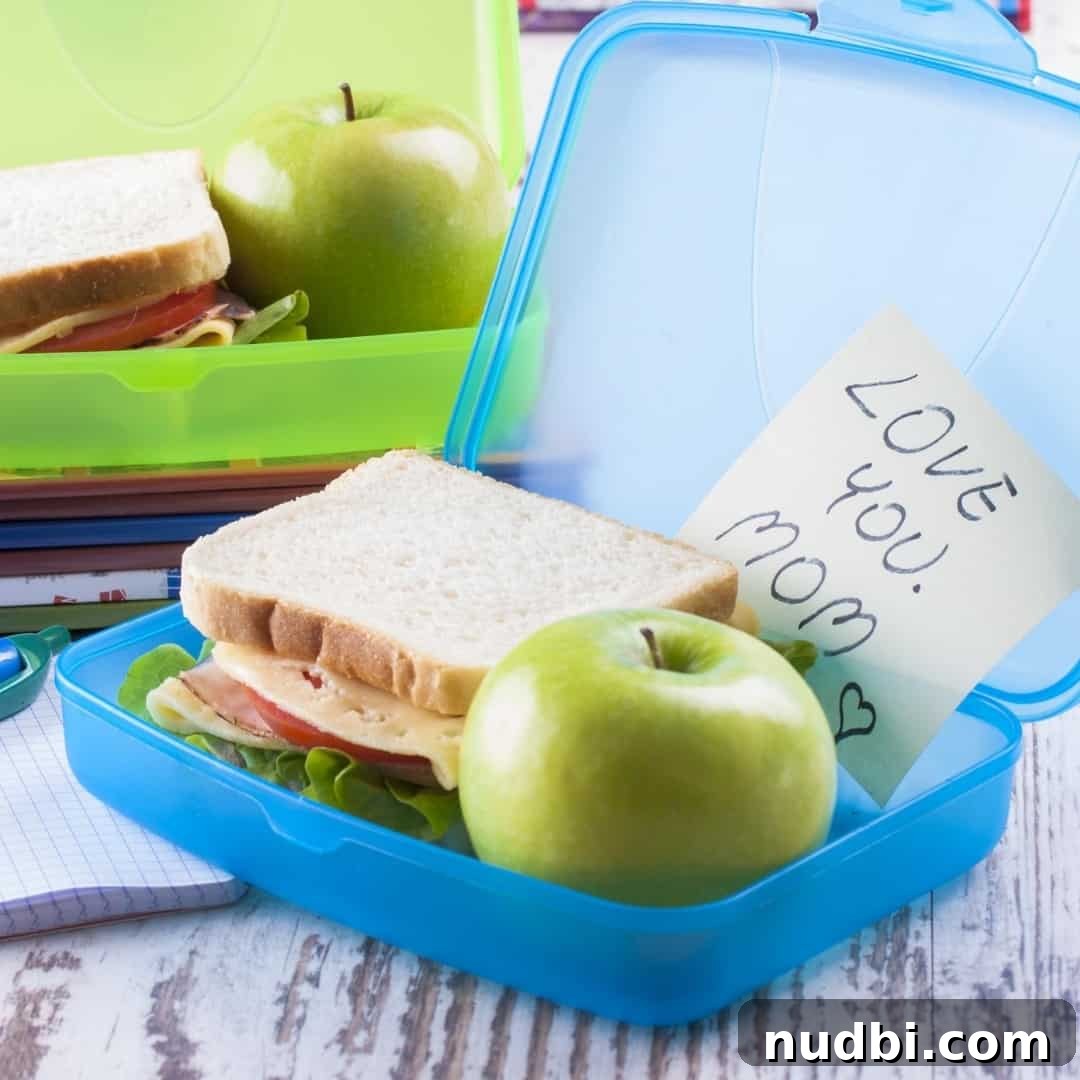
Ensuring your packed lunch remains safe and delicious until mealtime is crucial for preventing foodborne illnesses. Whether you’re preparing meals for a busy school day, an active work schedule, or an enjoyable picnic, proper food handling and storage are paramount. This comprehensive guide, compiled with insights from registered dietitians and food safety experts, provides actionable tips to keep lunchboxes at the ideal temperature and safeguard their contents, ensuring every bite is as fresh and wholesome as intended.
The transition into another school year often brings with it a flurry of preparations: adjusting morning routines, completing homework, and, for many, the daily ritual of packing nutritious lunches. While there’s no shortage of creative and healthy meal ideas circulating (just search #healthylittlelunchbox and #poweryourlunchbox on Instagram for inspiration!), one critical aspect frequently overlooked is how to maintain the safety of the food itself. A carefully planned meal can quickly become a health hazard if not stored correctly, making food safety an integral part of lunch preparation.
This article delves into essential food safety practices designed to keep those packed lunchboxes safe from the moment they leave your home until they are consumed. By understanding the principles behind temperature control and hygiene, you can significantly reduce the risk of harmful bacteria growth and enjoy peace of mind knowing your family’s meals are protected.
Understanding the “Temperature Danger Zone”: Why It Matters for Lunchbox Safety
The foundation of food safety lies in understanding the “temperature danger zone.” This critical range is where bacteria, which cause many foodborne illnesses, multiply most rapidly. For packed lunches, keeping food out of this zone is the primary defense against spoilage and potential sickness.
Specifically, the temperature danger zone spans from 41 degrees Fahrenheit (5 degrees Celsius) to 135 degrees Fahrenheit (57 degrees Celsius). Within this range, and especially between 70 to 120 degrees Fahrenheit (21 to 49 degrees Celsius), bacteria like Salmonella, E. coli, and Listeria can double in number every 20 minutes. This rapid proliferation can turn an innocent sandwich into a source of illness in just a few hours.
The ideal strategy for cold items is to significantly slow down bacteria growth by maintaining temperatures below 41 degrees Fahrenheit. However, for most children attending school or adults at work, access to a refrigerator for storing packed lunches is often limited or nonexistent. This logistical challenge makes proactive temperature control even more vital.
Food safety guidelines generally stipulate that perishable cold items can be safely kept without refrigeration for up to six hours, provided the food’s temperature never exceeds approximately 70 degrees Fahrenheit (21 degrees Celsius). Beyond this timeframe or temperature threshold, any uneaten perishable food should be discarded. This “six-hour rule” is a maximum, and striving to keep food colder for longer is always the safest approach. Ignoring these guidelines can lead to unpleasant symptoms like nausea, vomiting, diarrhea, and fever, impacting health and productivity.
Essential Food Safety Tips for Packing Lunches
1. Insulate Effectively: Choose the Right Lunchbox
The first and most fundamental step in safeguarding your packed lunch is selecting the appropriate container. An insulated lunch bag or box serves as your initial line of defense against fluctuating external temperatures. Unlike traditional paper bags, which offer no thermal protection, insulated bags are specifically designed with materials like foam, gel, or multiple layers of fabric to create a barrier that helps maintain the internal temperature of your food.
When selecting an insulated lunch bag or box, consider factors such as size, durability, and ease of cleaning. Many options are available in a wide range of designs and price points, making it easy to find one that fits your specific needs. Look for bags with a water-resistant or leak-proof lining, which is not only practical for containing spills but also simplifies daily cleaning. A quick wipe down with soap and water, or a thorough wash, is crucial to prevent the buildup of bacteria from previous meals. Investing in a good quality insulated lunch container is a small effort that yields significant returns in terms of food safety and peace of mind.
2. Start Cold, Stay Safe: The Importance of Pre-Chilling
The journey to a safe lunch begins long before it leaves the house. It’s not enough to simply use an insulated bag; the food itself must start at a safe temperature. For perishable items, this means ensuring they are below 41 degrees Fahrenheit (5 degrees Celsius) when packed. Think of it as giving your lunch a head start against the clock and the “danger zone.”
If you’re preparing lunches the night before, a common and efficient practice, store the entire packed lunchbox in the refrigerator overnight. This allows the bag and its contents to thoroughly chill, maximizing the effectiveness of insulation and any added cooling elements. Packing cold items directly from the refrigerator into an already chilled insulated bag ensures the lowest possible starting temperature, which is key to slowing bacterial growth over the next several hours.
Foods Requiring Cold Storage for Safety:
Certain foods are particularly susceptible to bacterial growth at room temperature and must be kept cold. These include:
- Cooked Meats and Poultry: Deli slices, cooked chicken, leftover grilled meats.
- Dairy Products: Cheese, yogurt, milk (unless aseptically packaged).
- Eggs: Hard-boiled eggs, deviled eggs.
- Cooked Grains and Pasta: Rice, pasta salads, quinoa salads.
- Cooked Vegetables: Steamed or roasted vegetables.
- Open Canned Foods: Any canned food that has been opened and not fully consumed.
- Cut Fruits and Vegetables: Sliced melons, cut tomatoes, torn lettuce, pre-cut fruit salads.
- Sauces and Dressings: Mayonnaise-based dressings, creamy sauces.
Foods Generally Safe at Room Temperature (for a few hours):
Not all foods require strict refrigeration, making them excellent choices for packed lunches when cooling options are limited. These include:
- Whole Fruits: Apples, bananas, oranges, grapes (uncut).
- Crackers and Breads: Most types of crackers, bread, bagels (without perishable fillings).
- Baked Goods: Cookies, muffins, plain pastries.
- Individually Packaged Dry Goods: Pretzels, chips, granola bars.
- Shelf-Stable Products: Packaged puddings, fruit snacks, fruit cups.
- Aseptically-Packaged Beverages: Milk boxes, juice boxes (check labels for “shelf-stable”).
- Canned Fruit: Unopened canned fruit.
Even for these seemingly safe foods, it’s always best to consume them within a reasonable timeframe and discard anything that shows signs of spoilage or has been exposed to unhygienic conditions.
3. Keep It Cold: Active Cooling Solutions
Once you’ve started with chilled items in an insulated bag, the next challenge is actively maintaining those cold temperatures throughout the day. The goal is to keep perishable foods below 70 degrees Fahrenheit (21 degrees Celsius) as long as possible, ideally below 41 degrees Fahrenheit (5 degrees Celsius) until eaten. Fortunately, several effective strategies can help achieve this:
Utilize Frozen Gel Packs or Ice Cubes:
These are perhaps the most common and effective tools for keeping lunchboxes cold. Pack a few frozen gel packs or ice cubes directly inside the lunchbox. Modern gel packs come in various shapes and sizes, from slim rectangular designs that fit alongside containers to fun character shapes, making them versatile for different lunchbox configurations. Get into the routine of placing these packs back in the freezer every evening so they are thoroughly frozen and ready for use the following morning. For larger lunchboxes or particularly warm environments, using multiple gel packs can provide extended cooling power.
Freeze Beverages and Dairy:
If you don’t have dedicated cold packs, or even if you do, leveraging frozen items as supplemental cooling agents is a clever trick. Freeze juice boxes, water bottles, or yogurt tubes the night before. By lunchtime, these items will have thawed enough to be consumed, and their icy presence throughout the morning will have helped keep surrounding perishable foods cold. This method works exceptionally well for beverages and thicker dairy products like yogurt. However, be mindful that not all foods freeze and thaw well; delicate items like fresh fruit or leafy greens might suffer in texture or quality if frozen. Test out this trick with items that are robust enough to handle the freeze-thaw cycle.
Pre-Chill Containers and Lunchbox:
Beyond chilling the food, chilling the actual containers or the entire lunchbox itself in the refrigerator overnight can provide an extra layer of cold retention. A cold container will absorb less heat from the environment and help keep its contents cooler for longer.
Pack Last-Minute:
Whenever possible, pack your lunchbox right before leaving the house. The less time food spends at room temperature during packing, the better its chances of staying safe until consumption.
4. Prep Hot Containers for Warm Meals
For those who prefer a warm meal, packing hot food safely requires a different approach. Since most schools and workplaces lack convenient microwave access for reheating, the key is to pack items in containers that can effectively hold warmth. Insulated food jars (thermoses) are specifically designed for this purpose, but proper preparation is essential to ensure food remains hot and safe, ideally above 135 degrees Fahrenheit (57 degrees Celsius) until mealtime.
Achieving optimal warmth retention in a thermos is best accomplished using a two-step process:
Pre-Heat the Thermos:
Before adding your food, condition the thermos or insulated food jar by filling it with boiling water. Secure the lid and let it sit for 5-10 minutes. This heats the internal walls of the container, preventing it from immediately cooling down your hot food. Just before packing, carefully pour out the hot water.
Heat Food Thoroughly:
While the thermos is pre-heating, heat your food to the appropriate temperature. For freshly cooked items, aim for at least 135 degrees Fahrenheit (57 degrees Celsius). If you’re packing leftovers, which is a common practice, they must be reheated to a minimum of 165 degrees Fahrenheit (74 degrees Celsius) to kill any bacteria that might have grown since initial cooking. Use a food thermometer if you want to be absolutely sure. Once the food is piping hot, quickly transfer it into the pre-warmed thermos, filling it as much as possible to minimize air space, which can contribute to heat loss. Remind your child or yourself to keep the lid securely on until it’s time to eat to trap the heat inside effectively.
Good choices for hot lunches include soups, stews, pasta with sauce, chili, rice and bean dishes, or leftover casseroles. Ensure the food consistency is suitable for eating with a spoon or fork from the thermos.
5. Practice Impeccable Hygiene: Cleanliness is Key
Beyond temperature control, good hygiene is a critical component of food safety that often goes unstated but is inherently essential. Contamination can occur at any stage, from preparation to consumption, making cleanliness paramount.
Wash Hands Thoroughly:
Always start food preparation with clean hands. Wash hands with soap and warm water for at least 20 seconds before handling any food items. This simple step significantly reduces the transfer of bacteria from hands to food.
Clean Surfaces and Utensils:
Ensure all countertops, cutting boards, and utensils used for food preparation are thoroughly cleaned and sanitized. Using separate cutting boards for raw meats and produce can prevent cross-contamination.
Wash Produce:
Rinse all fresh fruits and vegetables under running water before packing, even if you plan to peel them. This removes dirt and surface bacteria.
Avoid Cross-Contamination:
When packing, keep raw foods (if any) separate from cooked foods. Use separate containers for different food types to prevent juices from raw items from contaminating ready-to-eat foods.
Daily Cleaning of Lunchboxes:
After each use, empty and thoroughly clean the lunchbox and all reusable containers. A quick wipe isn’t enough; wash them with hot, soapy water or run them through a dishwasher if they are dishwasher-safe. This removes food residues and bacteria, preventing their growth and spread for the next meal.
6. The “Toss It” Rule: When in Doubt, Throw It Out
This rule is perhaps the most difficult for many to follow, given concerns about food waste, but it is unequivocally the most important food safety guideline: if you have any doubt about the safety of a food item, it’s always best to toss it. This applies particularly to perishable foods that have been in a lunchbox for an extended period.
Any leftovers from lunch that include potentially hazardous foods (like meats, dairy, cooked grains, or cut produce) should be discarded. By the time lunch is over, these items will have likely spent too much time in the “temperature danger zone.” Even if the food looks and smells fine, harmful bacteria that cause foodborne illnesses often do not alter the appearance, taste, or odor of food. The risks associated with consuming potentially unsafe food – including severe gastrointestinal distress, dehydration, and in rare cases, more serious health complications – far outweigh the cost of discarding a small amount of food.
Furthermore, even foods that aren’t inherently “potentially dangerous” (like crackers or whole fruits) can come into contact with bacteria from other items in the lunchbox or from external environments. Teaching children this crucial “toss it” rule is vital, emphasizing that their health and safety are the top priority. While it goes against the instinct to avoid waste, in the context of food safety for packed lunches, it’s simply too risky not to.
Beyond the Basics: Additional Considerations for Lunchbox Safety
While the core principles of temperature control and hygiene form the backbone of safe lunch packing, a few other considerations can further enhance your food safety practices and overall mealtime experience.
Managing Allergies and Sensitivities:
While not strictly a food safety issue in the bacterial sense, being mindful of allergies and sensitivities is crucial for health. If you are packing for someone with allergies, ensure all containers and utensils are thoroughly cleaned to prevent cross-contamination with allergens. Clearly label foods, especially if sharing lunch with others, and be aware of school or workplace policies regarding allergens.
Reading Labels and Expiration Dates:
Always check expiration dates on packaged foods before packing them. Even items like yogurt, cheese, or deli meats can become unsafe if consumed past their prime. Understanding storage instructions on food labels (e.g., “refrigerate after opening”) is also key.
Teaching Children About Food Safety:
Empower children to be active participants in their own food safety. Teach them why certain foods need to stay cold, why they shouldn’t share certain items, and the importance of washing hands before eating. Explaining the “toss it” rule in an age-appropriate way can also foster good habits for life.
Conclusion: Prioritizing Food Safety for Every Packed Meal
Packing a lunch that is both delicious and safe requires a mindful approach to preparation, storage, and handling. By consistently applying these food safety tips – from selecting an insulated lunchbox and starting with cold ingredients, to actively keeping items chilled or hot, practicing impeccable hygiene, and knowing when to discard food – you can significantly reduce the risk of foodborne illness.
These guidelines are more than just suggestions; they are essential practices for protecting the health and well-being of those who consume your carefully prepared meals. Whether it’s for school, work, or leisure, prioritizing food safety ensures that every packed lunch provides nourishing fuel without compromise. Make these tips a regular part of your meal prep routine, and enjoy the confidence that comes with knowing your family’s food is safe and enjoyable.