Reduce Food Waste: Essential Tips for Healthy Families & Sustainable Living
Food waste is a pressing global issue, and its impact reaches far beyond just discarded scraps in the trash. For families, it translates into wasted money, unnecessary trips to the grocery store, and a heavier carbon footprint. In the United States alone, an estimated $218 billion worth of food was wasted in 2017 – a staggering figure that underscores the urgency of this problem. But what if there were simple, actionable steps every family could take to significantly reduce their contribution to this waste, save money, and embrace a more sustainable lifestyle?
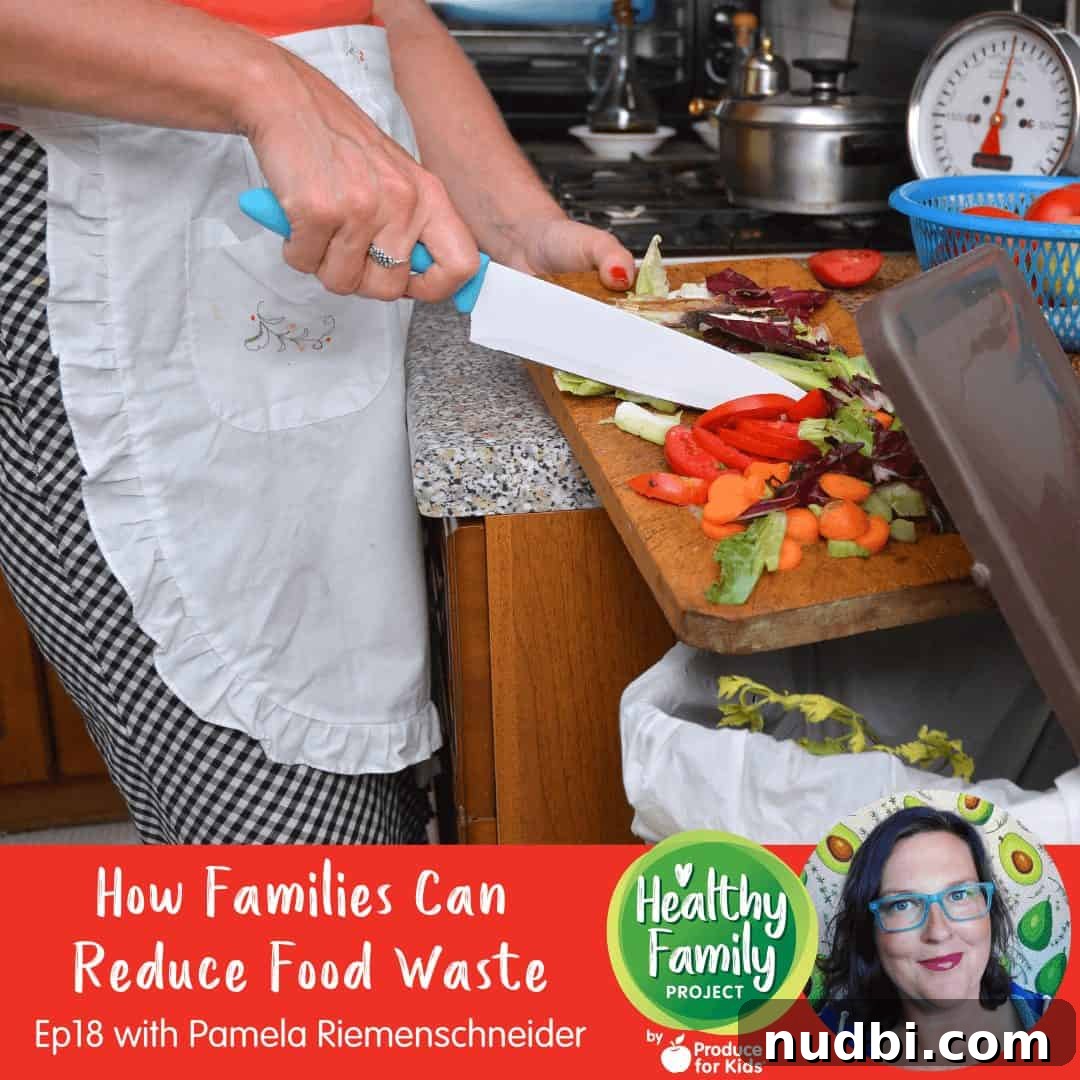
In this special summer replay, the Healthy Family Project podcast revisits a highly informative episode (Episode 18) where we delve deep into the topic of “How Families Can Reduce Food Waste.” We’re joined by Pamela Riemenschneider, a seasoned expert in the fresh produce industry and a dedicated mom of two. Pamela shares invaluable insights and practical strategies that empower families to make a real difference, right from their own kitchens.
Pamela’s expertise, honed over a decade in the fresh produce world and as the retail editor for Blue Book Services, makes her an ideal guide. She understands the challenges busy families face and offers relatable solutions, covering everything from smart shopping and proper food storage to creative cooking techniques and the often-misunderstood truth behind expiration dates. Her passion for reducing food waste is infectious, and her advice is designed to be easy to implement for any household.
Practical Strategies: How Your Family Can Master Food Waste Reduction
We’ve all been there: discovering forgotten leftovers at the back of the fridge or finding a container of once-fresh berries past their prime. Life gets busy, and sometimes good intentions fall by the wayside. This episode is packed with actionable tips and tricks to help you prevent those moments of food waste frustration. By implementing these strategies, your family can dramatically cut down on discarded food and embrace a more mindful approach to consumption.
1. Smart Planning & Savvy Shopping
The journey to reducing food waste often begins before you even step into the grocery store. Pamela emphasizes the importance of a well-thought-out plan. Start by checking your pantry, fridge, and freezer to see what you already have. Build your weekly meal plan around these existing ingredients. Create a detailed shopping list based on your meal plan and stick to it strictly. This not only prevents impulse purchases that might go unused but also ensures you buy only what you truly need, reducing the likelihood of fresh produce spoiling before it can be enjoyed.
2. Maximizing the Life of Your Fruits and Vegetables
Proper storage is a game-changer when it comes to extending the shelf life of your produce. Many fruits and vegetables require specific conditions to stay fresh longer. For instance:
- Berries: Wash them only right before eating. Store them in a single layer in a breathable container in the refrigerator to prevent mold.
- Leafy Greens: Wash, dry thoroughly, and store in an airtight container lined with a paper towel. This absorbs excess moisture and keeps them crisp.
- Apples: Store in the refrigerator to keep them crisp and slow down ripening. Keep them away from other produce, as they release ethylene gas which can prematurely ripen nearby fruits and vegetables.
- Bananas: Store at room temperature until ripe. Once ripe, you can refrigerate them (the skin will blacken, but the fruit inside will remain fresh for longer).
- Root Vegetables (Carrots, Potatoes): Store in a cool, dark, dry place. Remove greens from carrots and beets before storing, as they draw moisture from the roots.
Understanding these simple storage hacks can significantly reduce spoilage and help you get the most out of every purchase.
3. Creative Cooking: Using Every Part
One of the most effective ways to reduce waste is to rethink how we cook. Embrace a “nose-to-tail” or “root-to-stem” philosophy for your produce. Vegetable scraps like carrot tops, onion skins, and celery ends can be saved in the freezer to make flavorful homemade vegetable stock. Stale bread can become croutons or breadcrumbs. Overripe fruits are perfect for smoothies, muffins, or homemade fruit leathers. Leftovers can be transformed into entirely new dishes – last night’s roasted vegetables can become a delicious frittata for breakfast, or leftover chicken can be shredded for tacos. Pamela provides excellent ideas for utilizing every edible part of your ingredients.
4. Deciphering Food Labels: Expiration Dates vs. Best By Dates
Confusion around food labeling is a major contributor to household food waste. Many perfectly good foods are tossed due to misinterpretation of dates printed on packaging. Pamela clarifies the truth:
- “Best By” or “Best Before”: This date indicates when a product will be at its peak quality in terms of flavor and texture. It’s not a safety date, and food is often perfectly safe to consume well past this date, though quality might slightly diminish.
- “Use By”: Often found on perishable items, this is generally a manufacturer’s recommendation for when the product is best consumed for optimal quality and safety. However, if stored properly, many items may still be safe shortly after this date.
- “Sell By”: This date is primarily for retailers to manage inventory. It tells the store how long to display the product for sale. It has little to do with the product’s safety or freshness once it’s in your home.
Instead of relying solely on dates, Pamela advises using your senses: look, smell, and taste (a tiny bit) to determine if food is still good. Trusting your judgment can save a lot of edible food from the bin.
5. Tackling Lunchroom Waste
School cafeterias and packed lunches are another significant source of food waste. Kids often don’t finish their meals, or uneaten items are simply thrown away. To combat this:
- Involve Kids: Let your children help choose and pack their lunches. They’re more likely to eat what they’ve had a hand in selecting.
- Portion Control: Pack appropriate portion sizes. Start small, and they can always ask for more at home if it’s not enough.
- Reusable Containers: Ditch single-use plastic bags for reusable containers to cut down on packaging waste.
- Pack Smart Snacks: Include non-browning fruits like Arctic Apples (more on these below) to ensure they look appealing even hours after being sliced.
- Debrief: Ask kids what they ate and what they didn’t. This feedback helps you adjust future lunches to minimize waste.
Healthy Bite Featuring Arctic Apples: A Smart Solution for Less Waste
For families aiming to reduce food waste, especially when it comes to snacks, innovative products can make a big difference. Today, we’re excited to feature Arctic Apples® nonbrowning apples. These incredible apples stay fresh and appealing longer after being sliced, directly combating the common issue of sliced apples turning brown and being discarded before they can be enjoyed.
Try our delightful Spiced Apple Quesadillas recipe, made effortlessly with Arctic Apples. This quick and simple recipe uses minimal ingredients, making it an ideal healthy snack or a light meal that your children will adore. The pre-sliced Arctic Apples also significantly reduce your prep time and cleanup, making healthy eating even more accessible for busy families while preventing the browning that often leads to uneaten fruit.
Engage with the Healthy Family Project Community
Share Your Feedback: Listener Survey!
Your support for the Healthy Family Project Podcast is incredibly valued! We are constantly striving to bring you the most relevant and helpful content. Please take just 5 minutes to complete our listener survey. Your feedback is crucial in helping us shape future episodes and ensure we’re addressing the topics that matter most to you and your family. Take the survey here and help us improve!
Stay Inspired: Healthy Recipes & Tips in Your Inbox
Never miss out on fresh inspiration for healthy family living. Sign up for the Healthy Family Project e-newsletter. Each week, you’ll receive a curated selection of healthy recipe ideas, our latest blog posts packed with practical tips, and much more, delivered directly to your inbox. It’s your weekly dose of healthy family motivation!
Connect & Share: Healthy Family Project Facebook Group
Join our growing community! The Healthy Family Project Facebook group is a vibrant and supportive space for parents and caregivers. Here, you can openly discuss all aspects of raising a healthy family – from navigating picky eaters and finding creative ways to incorporate more fruits and veggies into meals, to family exercise routines and mental well-being strategies. We warmly invite all of you to join the conversation, share your experiences, and learn from others!
Listen to the Full Episode: Summer Replay: How Families Can Reduce Food Waste
Dive deeper into these invaluable food waste reduction strategies by listening to the full podcast episode. While we highly recommend tuning in from start to finish for a comprehensive understanding, you can also navigate directly to specific topics using the timestamps below to revisit key discussions or focus on areas most relevant to your family’s needs.
- 3:04 Welcome, Pamela! – Get to know our expert guest, Pamela Riemenschneider, and her background in the produce industry.
- 7:33 Easy Ways Families Can Reduce Food Waste at Home – Discover practical, everyday tips for managing food more effectively in your kitchen.
- 15:58 Tips to Take Full Advantage of Fruits and Veggies – Learn creative ideas for utilizing every part of your produce and extending its life.
- 21:33 Healthy Bite Featuring Arctic Apples – Explore an innovative product and a delicious recipe designed to help reduce food waste.
- 25:30 Lunchbox/Cafeteria Food Waste – Get actionable strategies for packing waste-free, appealing lunches for your children.
- 32:45 Expiration Dates vs. Best Buy Dates vs. When Food Goes Bad – Clear up the common confusion around food labeling and how to safely determine if food is still good.
Relevant Links for Further Reading & Resources
To support your journey in reducing food waste and embracing healthier family habits, explore these helpful resources hand-picked by the Healthy Family Project team and our guest, Pamela Riemenschneider:
- Long-Lasting Fruits & Vegetables for a Well-Stocked Kitchen: Discover produce varieties that stand the test of time, perfect for minimizing spoilage and optimizing your grocery budget.
- 7 Tips to Reduce Food Waste & Save Money: Practical advice that benefits both your pantry and your wallet, helping you stretch every dollar further.
- Guide to Storing Fresh Produce: A comprehensive resource to help you understand the optimal storage conditions for various fruits and vegetables, keeping them fresher for longer.
- 10 Frozen Food & Veggies to Always Have on Hand: Leverage the power of your freezer to reduce waste, ensure you always have healthy options available, and simplify meal preparation.
- Make Your Own Veggie Stock: Learn how to transform vegetable scraps into a rich, flavorful base for countless soups, stews, and sauces, eliminating unnecessary waste.
- How to Keep Sliced Apples from Browning: Essential tips and tricks for preserving the appealing look of your apple slices, ensuring they’re enjoyed rather than discarded.
- Foodkeeper App for Expiration Dates: A handy tool from FoodSafety.gov to help you understand storage times, expiration dates, and quality factors for a wide range of foods.
- Produce Blue Book: Explore Pamela Riemenschneider’s professional home in the fresh produce industry for more insights and resources.
- Produce with Pamela: Follow Pamela on YouTube for more insights, tips, and updates from the dynamic world of fresh produce.
Other Podcast Episodes to Deepen Your Knowledge
If you found this episode helpful in your quest to reduce food waste and promote healthy family habits, you’ll love these other insightful discussions from the Healthy Family Project Podcast:
- Episode 52: Fresh Produce 101: How to Pick, Clean & Store: Master the essential basics of selecting, cleaning, and properly storing your fresh produce to maximize its life and flavor.
- Episode 45: Conquering Mealtime Struggles: Get expert advice and practical strategies on making mealtimes less stressful and more enjoyable for everyone in your family.
- Episode 36: Dietitian-Approved Healthy Grocery Shopping Tips: Learn how to navigate the grocery aisles, fill your cart with nutritious choices efficiently, and shop economically with expert guidance.
About the Healthy Family Project Podcast
The Healthy Family Project Podcast brings you engaging conversations on hot topics in the world of health, food, and family, always with a dose of fun and practical advice. Our mission is to help families smoothly transition into a fresh, healthy, and sustainable lifestyle, making nutritious choices and reducing waste easier than ever before. We believe that small changes can lead to significant positive impacts on your family’s well-being and the planet.
Be on the lookout for new bi-weekly episodes filled with expert interviews, actionable tips, inspiring stories, and delicious recipes. Don’t miss an episode – subscribe now on Apple Podcasts, Google Podcasts, Spotify, or your favorite podcasting platform. If you enjoy an episode and find it helpful, please take a moment to leave us a rating and a comment; your valuable feedback helps us reach more families and spread the message of healthy living!
Are you an expert passionate about health, food, or family topics? We’re always looking for insightful guests to share their knowledge and inspire our listeners on the Healthy Family Project podcast. If you’re interested in being a guest, please contact [email protected] with your topic idea for consideration. We look forward to hearing from you and exploring collaborative opportunities!
Make Sure to Pin It for Future Reference!
Pin this comprehensive guide to reducing family food waste on Pinterest to keep these valuable tips and resources handy whenever you need them. Sharing this infographic helps spread awareness and inspire more sustainable kitchen practices within your community and beyond!