Mastering Healthy Lunchboxes: Expert Tips for All Ages from Create Kids Club
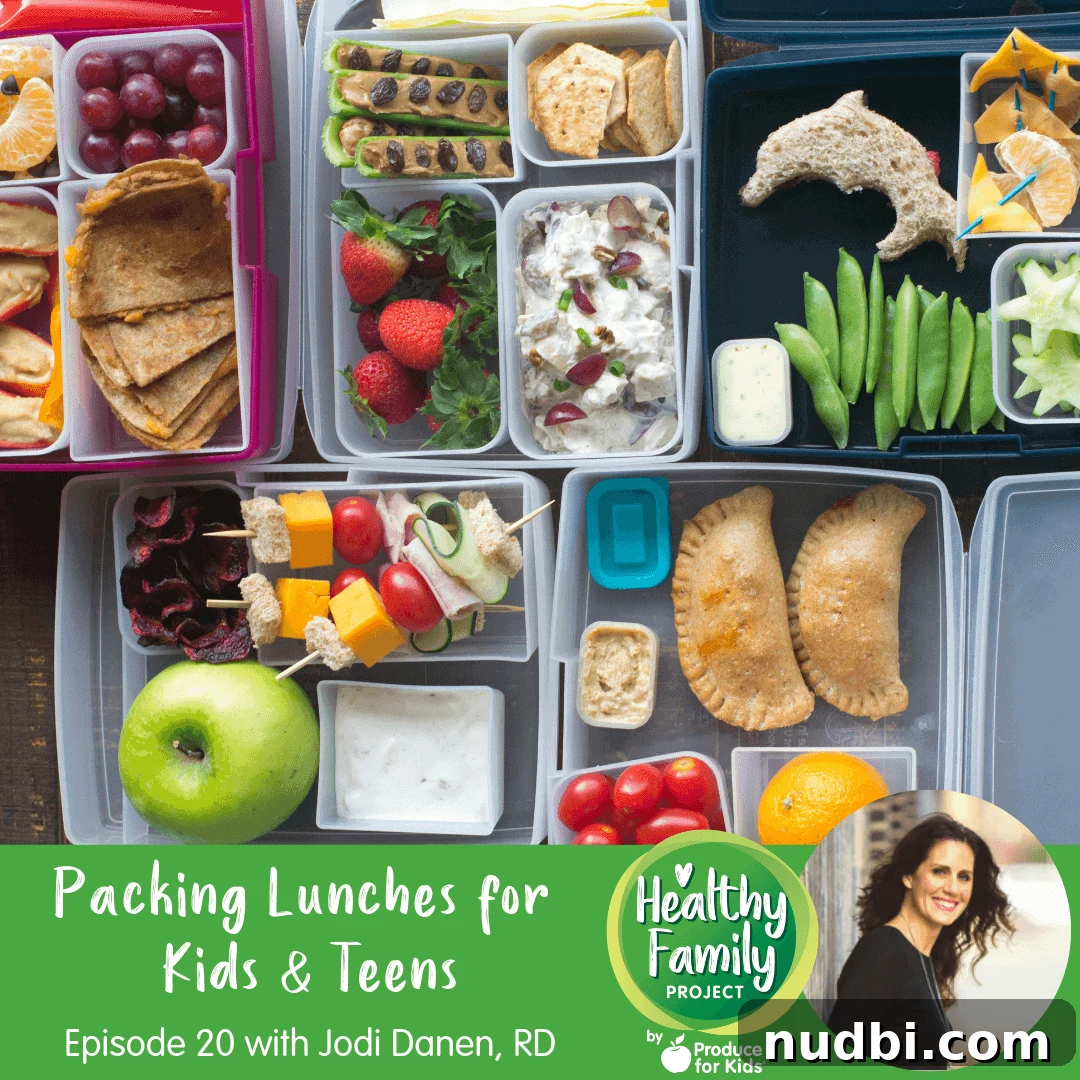
Welcome to a special episode of the Healthy Family Project, where we dive deep into the art and science of packing nutritious and appealing lunchboxes for children of all ages. This crucial topic resonates with parents everywhere, as we strive to fuel our kids’ growing bodies and minds while navigating busy schedules and evolving tastes. In this insightful discussion, we’re joined by Jodi Danen, a renowned registered dietitian and the dynamic force behind Create Kids Club. Jodi shares invaluable tips and actionable strategies covering everything from age-appropriate portion sizes and enticing meal ideas to fostering healthy eating habits and even getting finicky teens on board with homemade lunches. If you’ve ever found yourself in a lunch-packing rut or grappling with questions about what and how much to send with your child, this episode is packed with inspiration to help you streamline your routine and ensure your family enjoys delicious, wholesome meals every day.
Meet Jodi Danen: The Visionary Behind Create Kids Club
Jodi Danen is a registered dietitian with a profound passion for childhood nutrition and a mother of two elementary-aged budding chefs. She is the founder and voice of Create Kids Club, an acclaimed food and nutrition blog specifically designed for parents who aspire to create healthy family meals despite having limited time. Jodi’s philosophy is rooted in simplicity and freshness, which is evident in her recipes that are easy to prepare, feature short ingredient lists, and prioritize fresh, wholesome foods.
With a comprehensive background in school nutrition, Jodi is a fervent advocate for involving children in the kitchen from a young age. She firmly believes that early culinary experiences are instrumental in forming healthy habits that can last a lifetime. Her expert guidance aims to empower parents to instill confidence in their children’s food choices, making mealtime an engaging and educational experience rather than a chore. Jodi’s practical approach and deep understanding of family dynamics make her an exceptional resource for creating positive eating environments at home and beyond.
Your Feedback Matters: Listener Survey!
Thank you immensely for your continuous support of the Healthy Family Project Podcast! Your engagement fuels our mission to bring you the most relevant and beneficial content. We would be incredibly grateful if you could dedicate just five minutes to complete our listener survey. Your valuable insights will help us tailor future episodes to better meet your needs and interests. Take the survey here and help us make the Healthy Family Project even better!
Stay Connected: Healthy Recipes & Tips in Your Inbox
Never miss out on fresh inspiration for healthy family meals! Sign up for the Healthy Family Project e-newsletter today. Each week, you’ll receive a curated selection of healthy recipe ideas, our latest blog posts packed with practical advice, and exclusive tips directly to your inbox. It’s the perfect way to keep your family’s nutrition on track with minimal effort.
Join Our Community: Healthy Family Project Facebook Group
Connect with a supportive network of parents and caregivers by joining our vibrant Healthy Family Project Facebook group! This private group is designed to be a safe and engaging space where you can discuss all aspects of raising a healthy family. Whether you’re seeking advice on navigating picky eaters, discovering innovative tips to incorporate more fruits and vegetables into daily meals, exploring family-friendly exercise routines, or addressing mental health topics, our community welcomes your participation. Share your experiences, ask questions, and find encouragement in a judgment-free environment. We invite all of you to join in and contribute to a healthier, happier family life!
Ready to jump to a specific topic? Here are the timestamps for key discussions within this episode. While we recommend listening to the entire conversation for maximum benefit, feel free to navigate to the sections most relevant to you:
- 1:43 Meet Jodi
- 3:37 Portion sizes for lunchboxes
- 11:52 Lunch ideas for toddlers
- 13:53 How to make lunches more fun for elementary school kids
- 16:15 Lunchbox notes
- 19:40 How to convince teens to pack a lunch
The Ultimate Guide to Packing Healthy Lunchboxes: Insights from a Dietitian Mom
Parents frequently ask, “What should I pack, and how much is enough?” These questions often stem from the desire to provide children with balanced, appealing meals that they will actually eat, without leading to waste or hunger. Jodi Danen, with her background in school nutrition and as a mom, offers profound insights into these common dilemmas, helping parents navigate the complexities of school lunch with confidence.
Decoding Lunchbox Portion Sizes for Growing Kids
One of the most pressing concerns for parents is figuring out the correct portion sizes for their child’s lunchbox. The fear of their child being hungry or, conversely, overpacking and contributing to food waste, creates a delicate balance. Jodi emphasizes that there’s no universal answer, as portion sizes are highly individual and depend on several factors: the child’s age, their activity level, and their unique eating preferences. What one child needs today might differ from what they need tomorrow, making it essential for parents to become attuned to their child’s specific requirements.
A practical strategy Jodi advocates is encouraging children to bring home uneaten food rather than tossing it in the school garbage. This simple habit allows parents to observe what their child truly consumes and what goes untouched, providing crucial feedback for future lunch planning. Jodi recounts her experience observing school lunchrooms, noting the shocking amount of food waste, often including perfectly edible items. By seeing what returns, parents can adjust portion sizes, introduce new items, or remove unpopular ones, saving both food and money. This observation period is particularly useful in understanding what children prefer to eat first, especially perishable items like yogurt or cheese sticks, which should ideally be consumed earlier in the lunch period.
Navigating Short Lunch Breaks and Tricky Packaging
Beyond portion size, the practicalities of the school lunch environment significantly impact what and how much children eat. Jodi highlights two often-overlooked challenges: the limited time children have to eat and the difficulty some children face opening food packages. Many schools allocate very short lunch breaks, sometimes exacerbated if teachers are late getting students to the cafeteria. This leaves little time for children to eat, socialize, and manage their food items.
Moreover, small hands often struggle with stubborn packaging—think yogurt tubes, string cheese, or even milk cartons. Children might spend valuable eating time waiting for an adult to assist them, or simply give up, leading to perfectly good food being thrown away. Jodi advises parents to pre-open packages, transfer foods to easy-to-open containers, or choose items that don’t require assistance. For children who bring leftovers, she strongly recommends using a thermos that keeps food warm, bypassing long queues for microwaves, which further eats into their precious lunch time. Being mindful of these logistical hurdles can significantly increase the likelihood that children will eat the healthy lunch you’ve prepared.
Age-Specific Lunchbox Strategies: From Toddlers to Teens
Nourishing Toddlers and Preschoolers: Focus on Fun and Simplicity
For the youngest eaters—toddlers and preschoolers—the key to successful lunchboxes lies in making food easy to eat and fun. Jodi suggests focusing on finger foods that require minimal effort, such as meat chunks, cheese cubes, small crackers, and soft fruit pieces. These items allow little ones to feed themselves independently, reducing reliance on adult assistance. Presentation is also paramount at this age; cutting fruits and soft vegetables into fun shapes using cookie cutters or packing items in colorful, themed Ziploc bags can spark excitement and encourage engagement.
Introducing new foods in the lunchbox can be challenging, as parents aren’t there to encourage tasting. Instead, Jodi recommends pairing familiar favorites with healthy additions, especially using dips. Most young children love dipping and dunking, so providing a small container of hummus, yogurt dip, or even a full-fat ranch can entice them to try vegetables like carrots or cucumber slices. Additionally, personalized lunchbox notes with simple drawings like a heart can make a child feel loved and special, even if they can’t yet read. The goal is to create a positive and engaging meal experience that is stress-free for both child and parent.
Elementary School Kids: Involvement and Variety
As children enter elementary school, their preferences evolve, and their social lives become more prominent. While the desire to socialize can sometimes overshadow eating during lunch, parents can implement strategies to ensure they still get proper nutrition. Continuing with easy-to-eat foods and avoiding overpacking remains crucial. If a child frequently comes home hungry, consider packing higher caloric density foods that provide more energy in smaller volumes. This could mean adding an extra slice of cheese, a generous spread of peanut butter on a sandwich, or slightly larger portions of protein.
Involving elementary-aged children in the lunch planning process is a game-changer. Allowing them to voice their preferences from available healthy options can significantly increase their willingness to eat what’s packed. Parents can set guidelines, ensuring a fruit or vegetable and a protein are always included, but letting children choose the specific items empowers them. Dips remain a popular choice for encouraging vegetable consumption. This collaborative approach fosters independence and a sense of ownership over their meals, making lunchtime a more enjoyable experience.
Engaging Tweens and Teens: Independence and Peer Influence
Packing lunches for tweens and teens presents a new set of challenges, primarily due to their increasing desire for independence and the powerful influence of peer pressure. Middle school and high school lunch environments are vastly different from elementary school, often characterized by social dynamics that can impact food choices. Jodi, a mom of a 12-year-old, acknowledges this shift and advises a more collaborative approach rather than forceful intervention.
Involving teens in the decision-making process for their lunches is key. While parents can still guide choices by stocking the house with healthy options, allowing them to pack their own meals within certain parameters promotes independence. For growing teens with significant appetites, ensuring enough food is crucial. If they choose to buy lunch at school, some parents opt for a monetary allowance, stipulating that other days require a packed meal. This balances autonomy with healthy eating habits.
The “water bottle battle” is another common parental struggle. Encouraging hydration, especially for active teens involved in sports, is vital. Many schools permit water bottles, though some high schools might require clear containers for security reasons. Jodi highlights the powerful influence of coaches and other role models; often, a teen will listen to their coach’s advice on nutrition and hydration over their parents’. Ultimately, setting a good example as a parent by regularly packing your own healthy lunch also sends a strong, positive message that your children observe, even when you think they aren’t watching.
Making Lunch Fun and Special: The Power of Lunchbox Notes
Adding a touch of fun to lunchboxes can make a significant difference in how kids perceive their meals. Jodi’s personal experience led her to create “Lunch Bites,” a delightful product designed to bring joy to children’s lunch breaks. These special lunchbox note cards feature a variety of content, including jokes, fun facts, riddles, and sweet love notes from home. Jodi witnessed firsthand how these notes became a social event in the cafeteria, with children eagerly sharing and solving riddles with their friends.
For many children, these notes serve as a positive alternative to daily treats, making them feel special and valued. The simple act of receiving a personalized message from a parent can boost a child’s mood and encourage them to eat their lunch. Jodi’s “Lunch Bites” are available on Amazon and are a testament to how small gestures can have a big impact on a child’s day and their relationship with packed lunches. They are a wonderful way to connect with your child mid-day and remind them of your love and thoughtfulness.
Relevant Links for Lunchbox Inspiration
Explore these valuable resources to further enhance your lunch-packing game and find endless inspiration for nutritious and exciting meals:
- 75+ Healthy Lunchbox Ideas: A vast collection of diverse and delicious recipes to keep lunch interesting.
- The Ultimate Guide to Packing Healthy Lunchboxes: Comprehensive advice and strategies for effective lunch preparation.
- Tips for Packing School Lunches: Practical advice for streamlined and efficient lunch packing.
- 10 Ways to Add Fruits & Veggies to Lunchboxes: Creative methods to boost the nutritional content of your child’s meal.
- The Best Lunchboxes for Kids: Recommendations for durable and functional lunch containers.
- Fun Fruit & Veggie Shapes for the Lunchbox: Ideas to make healthy food visually appealing and engaging.
- Lunch Bites from Create Kids Club: Add a touch of joy with these unique lunchbox note cards.
- Choose Your Lunch printable: A helpful tool from Create Kids Club to involve kids in meal planning.
- Subscribe to the Produce for Kids Newsletter: Get fresh recipes and family health tips delivered weekly.
- Sign up for the Create Kids Club Newsletter: Access healthy recipes and updates from Jodi Danen.
- Follow Create Kids Club on Facebook, Instagram, and Pinterest for daily inspiration.
Other Podcast Episodes to Check Out: Expand Your Knowledge
- Episode 7: Lunchbox Meal Prep: Dive deeper into efficient strategies for preparing school lunches in advance.
- Episode 18: Reducing Food Waste at Home: Learn practical tips for minimizing food waste, both in lunchboxes and in your kitchen.
About the Healthy Family Project Podcast
The Healthy Family Project Podcast offers engaging conversations covering hot topics in the world of health, food, and family, always delivered with a dose of fun. Our mission is to help families smoothly transition into a new, fresh, and healthy lifestyle, making nutritious choices enjoyable and accessible for everyone.
Be sure to look out for our new bi-weekly episodes and don’t forget to subscribe on your favorite podcasting platform: Apple Podcasts, Google Podcasts, Spotify, or any other site where you enjoy your podcasts. If you find an episode particularly helpful or inspiring, please take a moment to leave a rating and a comment – your feedback helps us reach more families!
If you are interested in sharing your expertise as a guest on the Healthy Family Project podcast, please reach out to [email protected] with your proposed topic idea for consideration. We are always looking for passionate individuals to contribute to our growing community.
Armed with these expert tips from Jodi Danen, you are now better equipped to tackle the daily challenge of packing healthy and appealing lunchboxes. From understanding portion sizes and navigating lunchroom logistics to making meals fun for toddlers and fostering independence in teens, these strategies can transform your approach. Remember, a little planning and creativity can go a long way in ensuring your children are well-nourished and excited about their school lunches. Continue to explore our resources at produceforkids.com and poweryourlunchbox.com for ongoing inspiration and support. We are committed to helping your family thrive on its journey to better health. Subscribe, engage, and let’s keep the conversation going!