
As the days grow longer and the sunshine becomes a constant companion, summer ushers in a season of boundless joy, outdoor adventures, and cherished family memories. For parents, there’s an inherent desire to see their children thrive, exploring the world, connecting with friends, and soaking up every moment of this magical time. However, with the freedom of summer comes the vital responsibility of ensuring our children’s safety and well-being. This comprehensive guide will equip you with essential tips and proactive strategies to make this summer not only unforgettable but also impeccably safe, allowing your family to fully embrace all the season has to offer without a single worry.

The Ultimate Guide to Family Summer Safety Tips
From invigorating water play and delicious outdoor meals to thrilling adventures under the sun, summer is packed with opportunities for fun. To ensure these moments remain joyous and free from accidents, a proactive approach to safety is crucial. Here are detailed reminders and actionable steps to keep your family safe, healthy, and happy throughout the summer months:
1. Mastering Water Safety: A Comprehensive Approach for Kids and Families
Water activities are a cornerstone of summer fun, but they also present significant risks if proper precautions aren’t taken. Drowning can occur silently and quickly, making constant vigilance non-negotiable. Implementing these strategies will help ensure everyone enjoys the water safely:
- Constant and Active Supervision: Never leave a child unattended around water, not even for a moment. This includes pools, bathtubs, wading pools, lakes, and oceans. Designate a responsible adult as the “water watcher” who avoids distractions like phones or books. For younger children and inexperienced swimmers, adults should be within arm’s reach.
- Secure Pool Barriers: If you have a backyard pool, ensure it’s surrounded by a four-sided fence that is at least four feet high. The fence should have a self-closing and self-latching gate that opens outwards, with the latch placed high enough that small children cannot reach it. Consider adding pool alarms or covers as additional layers of protection.
- Approved Life Vests are Essential: “Floaties,” inflatable toys, or swim rings are not substitutes for Coast Guard-approved life vests. Always ensure children (and adults, if needed) wear properly fitted life vests when boating, engaging in water sports, or in situations where they are not strong swimmers. Teach children the importance of wearing them correctly.
- Swimming Lessons for All Ages: Enroll children in formal swimming lessons as soon as they are ready. While lessons do not make a child “drown-proof,” they provide crucial skills that can significantly reduce the risk of drowning. Adults who are not strong swimmers should also consider taking lessons.
- Educate Everyone on Water Rules: Before any water activity, clearly communicate safety rules to all family members and guests. This includes “no running” around pools, no pushing, understanding diving depths, and knowing what to do in an emergency. Discuss specific boating safety instructions, including wearing life vests and understanding navigation rules.
- Emergency Preparedness: Learn CPR and basic first aid. Having these skills can be life-saving in a water-related emergency. Keep a phone nearby for quick access to emergency services.

2. Ensuring Food Safety for Summer Picnics and BBQs
Summer often means outdoor gatherings, barbecues, and picnics, where delicious food takes center stage. However, warmer temperatures create an ideal environment for bacteria to multiply, increasing the risk of foodborne illnesses. Practicing meticulous food safety is vital to keep everyone healthy:
- Grill Safety Precautions: Outdoor grills are fantastic for cooking, but they pose fire and burn hazards. Always operate grills in a well-ventilated area, away from flammable structures or dry vegetation. Keep children and pets a safe distance away from the hot grill and never leave a lit grill unattended. Have a fire extinguisher or a bucket of sand/water nearby.
- Preventing Cross-Contamination: Always keep raw meats, poultry, and seafood separate from cooked foods and fresh produce. Use different cutting boards, utensils, and platters for raw and cooked items. Wash hands thoroughly with soap and water before and after handling raw foods.
- Proper Marinating Practices: If you’re marinating meats or vegetables, always do so in the refrigerator or a well-insulated cooler with ice. Never marinate at room temperature, as this allows bacteria to grow rapidly. If you plan to use some of the marinade as a sauce, set aside a portion before adding raw meat to prevent contamination.
- Adhering to the “Two-Hour Rule”: Perishable cooked foods should never sit at room temperature (above 40°F / 4°C) for more than two hours. On hot days (above 90°F / 32°C), this window shrinks to just one hour. After this time, bacteria can multiply to dangerous levels, making the food unsafe to eat. Discard any food left out too long.
- Maintaining Safe Cooler Temperatures: Pack your cooler correctly with plenty of ice packs or frozen gel packs to ensure the internal temperature remains below 40°F (4°C). Place raw meats at the bottom to prevent juices from contaminating other foods. Keep the cooler in the shade and open it only when necessary to retain cold air. Remember, bacteria thrive in the “danger zone” between 40°F (4°C) and 140°F (60°C).
- Washing Produce Thoroughly: Always wash all raw fruits and vegetables under running water before consumption, even if they have a peel you won’t eat. This helps remove dirt, pesticides, and surface bacteria.
For more detailed guidance on storing food and snacks, explore these helpful tips on how to store food and snacks. And for delightful ways to cool down, check out recommended cool summer treats that are both delicious and safe!
3. Prioritizing Outdoor Safety: Sun Protection, Hydration, and Active Play
Summer beckons us outdoors, offering endless opportunities for play, exploration, and physical activity. While encouraging children to enjoy the fresh air and sunshine, it’s paramount to protect them from environmental hazards and ensure their active play is safe and supervised. This category encompasses several critical areas:
- Comprehensive Sun Protection: Sunburns are not only painful but also increase the risk of skin cancer later in life.
- Sunscreen Application: Apply a broad-spectrum sunscreen with an SPF of 30 or higher liberally to all exposed skin at least 15-30 minutes before going outside.
- Reapplication is Key: Reapply sunscreen every two hours, or more frequently after swimming, sweating heavily, or towel drying, even on cloudy days. Clouds do not block harmful UV rays effectively.
- Protective Clothing and Accessories: Dress children in lightweight, long-sleeved shirts and pants, wide-brimmed hats, and UV-protective sunglasses, especially during peak sun hours (10 AM to 4 PM). Seek shade whenever possible.
- Infant Sun Safety: Infants under six months should be kept out of direct sunlight entirely. Use shade, protective clothing, and seek advice from a pediatrician regarding sunscreen use for this age group.
- Crucial Hydration Strategies: Staying hydrated is non-negotiable during summer, as children are more susceptible to dehydration than adults.
- Offer Water Regularly: Do not wait for children to say they are thirsty. By the time they feel thirsty, they are already slightly dehydrated. Offer water frequently throughout the day, especially during and after outdoor activities.
- Healthy Drink Choices: Water is always the best choice. Diluted 100% fruit or vegetable juice in moderation can also be offered. Avoid sugary sodas, energy drinks, and excessive amounts of caffeine, which can contribute to dehydration.
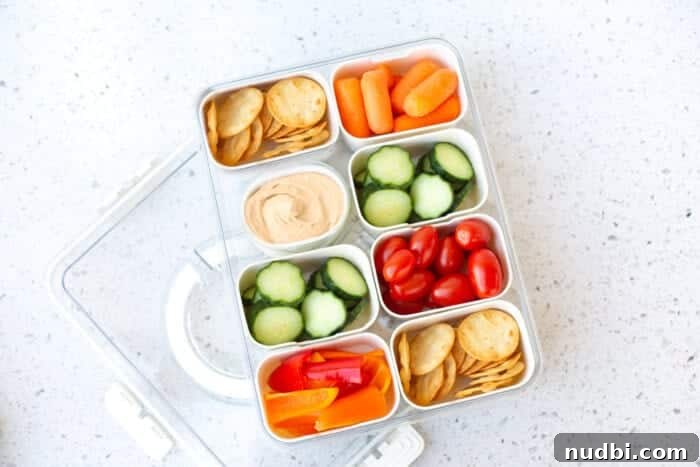
- Hydrating Snacks: Incorporate water-rich fruits and vegetables into snacks, such as watermelon, cucumbers, strawberries, and oranges.
- Recognize Dehydration Signs: Be aware of symptoms like thirst, dry mouth, reduced urination, lethargy, irritability, and dizziness. If you suspect severe dehydration, seek medical attention immediately.
- Safe Play and Gear Usage: Active play requires appropriate gear and safe environments.
- Helmet Safety: Always ensure children wear a properly fitted helmet when riding bikes, scooters, skateboards, rollerblading, or engaging in any activity where head injury is a risk. Helmets should meet safety standards and be replaced after any significant impact. Parents should model safe behavior by wearing helmets themselves.
- Protective Pads: For activities like skateboarding and rollerblading, knee and elbow pads, and wrist guards can prevent scrapes and fractures.
- Inspect Play Areas: Before children play, quickly inspect the area for potential hazards such as broken glass, sharp objects, uneven surfaces, or poisonous plants.
- Insect Bite Prevention: Summer also brings out insects that can bite or sting, causing discomfort or even carrying diseases.
- Insect Repellents: Use EPA-registered insect repellents containing ingredients like DEET, picaridin, or oil of lemon eucalyptus according to product instructions. For young children, avoid applying repellent to their hands, eyes, or mouth.
- Protective Clothing: When in wooded or grassy areas, especially during dawn and dusk, dress children in long pants and long-sleeved shirts.
- Check for Ticks: After outdoor activities, thoroughly check children’s hair, scalp, ears, and body for ticks. Remove ticks promptly and correctly.
- Heat Exhaustion and Heatstroke Awareness: These are serious, potentially life-threatening conditions.
- Understand the Symptoms: Heat exhaustion symptoms include heavy sweating, cold, pale, clammy skin, fast weak pulse, nausea or vomiting, muscle cramps, and faintness. Heatstroke is more severe, with symptoms like a high body temperature (103°F or higher), hot, red, dry, or damp skin, fast strong pulse, headache, dizziness, nausea, confusion, and unconsciousness.
- Act Quickly: If you suspect heat exhaustion, move the person to a cooler place, loosen clothing, apply cool, wet cloths, and offer sips of water. If symptoms worsen or last longer than an hour, or if you suspect heatstroke, call 911 immediately and begin cooling efforts until help arrives.
- Never Leave Children in Cars: The temperature inside a car can rise rapidly, even on a moderately warm day, reaching deadly levels in minutes. Never leave children or pets unattended in a vehicle, even for a short time.

4. Balancing Screen Time with Enriching Summer Activities
While safety is paramount for physical well-being, summer also offers a unique opportunity for mental and developmental growth. Encouraging a balance between exciting outdoor adventures and engaging educational pursuits can prevent the “summer slide” and keep young minds active.
- Foster a Love for Reading: Take advantage of local library summer reading programs. Encourage children to explore new genres, set reading goals, and make reading a daily habit, perhaps in a cozy outdoor spot.
- Embrace Educational Play: Incorporate learning into everyday activities. This could be counting objects in nature, identifying different types of plants or insects, or engaging in simple science experiments in the backyard.
- Explore Nature: Plan hikes, nature walks, or visits to local parks and nature centers. These activities offer physical exercise, opportunities for discovery, and a chance to learn about the environment.
- Creative and Skill-Building Hobbies: Summer is an excellent time to pick up a new hobby. Encourage drawing, painting, creative writing, learning a musical instrument, or even simple coding projects. These activities boost creativity, problem-solving skills, and fine motor development.
- Scheduled Downtime and Reflection: While keeping children active is great, also ensure there’s time for quiet play, imaginative exploration, and simply being still. This helps with emotional regulation and allows for independent thought.
Conclusion: Enjoy a Safe and Memorable Summer
Summer is a time of endless possibilities for families, a season to create lasting memories filled with laughter, adventure, and discovery. By diligently following these comprehensive summer safety guidelines – from vigilant water supervision and meticulous food handling to robust sun protection and balanced activities – parents can significantly mitigate risks and foster an environment where children can truly thrive. Embrace the warmth, the sunshine, and the sheer joy of summer, confident in the knowledge that you’ve taken every step to ensure your family’s well-being. Here’s to a summer that is not only fun-filled and exciting but also wonderfully safe for everyone!