10 Essential Insights: What Teachers Wish Parents Knew for a Successful School Year
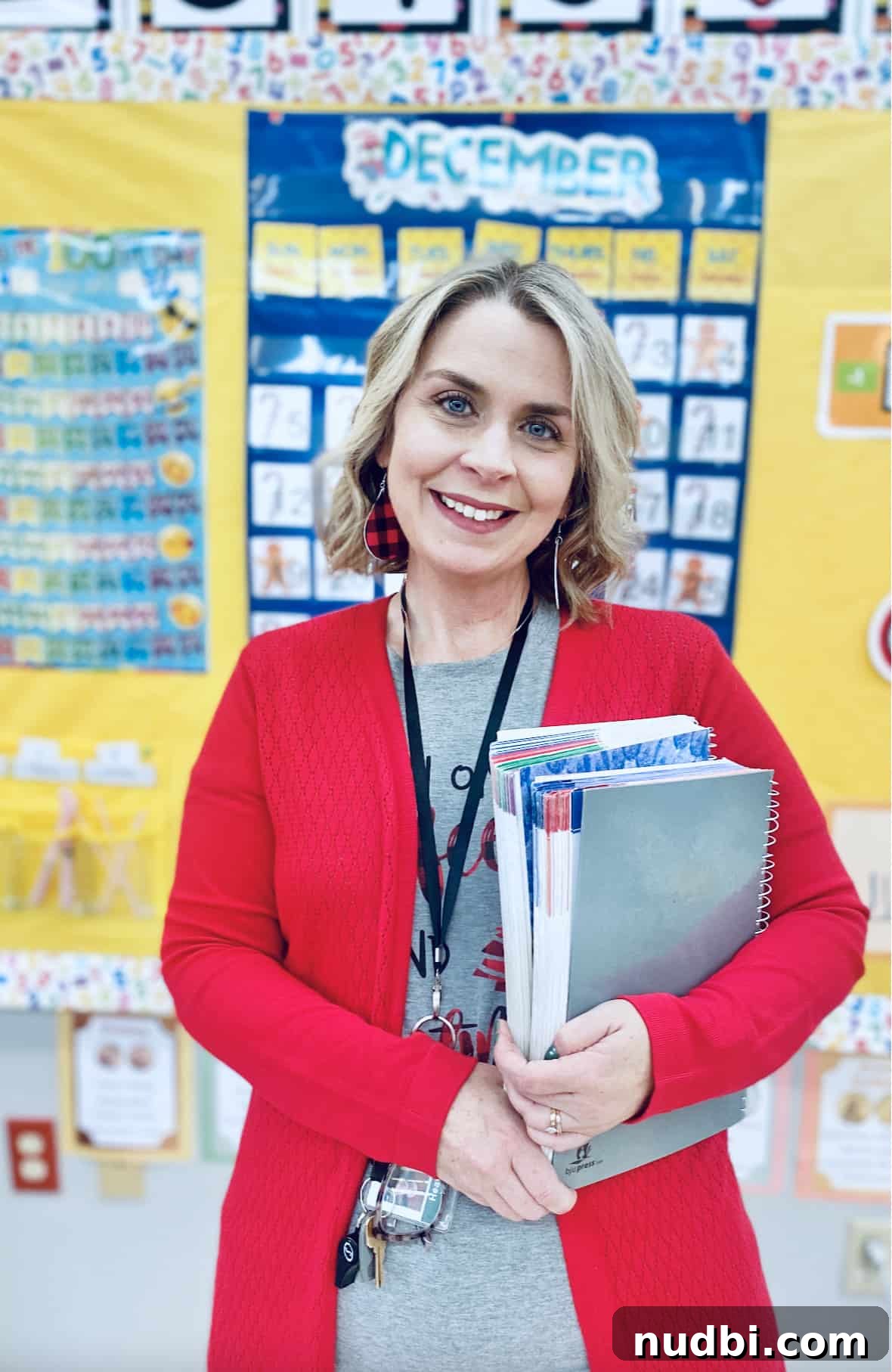
Back to school season heralds a unique blend of excitement and anticipation, often accompanied by a touch of stress for parents, students, and educators alike. To navigate this crucial period effectively and foster a thriving learning environment, we sought expert advice from Heather Brickell, an experienced teacher and devoted mother of two. Her invaluable insights reveal what teachers truly hope parents understand throughout the academic year. A heartfelt thank you to Heather for sharing her wisdom!
As educators, we find immense joy in the profound impact we can have on our students’ lives. While our time with them each day might be limited to a few precious hours, we play a significant role in helping to shape and mold their futures. Parents undoubtedly serve as the primary caregivers and most fervent advocates for their children, yet the collaborative synergy between parents and teachers stands as an indispensable cornerstone for a child’s holistic success. To cultivate a truly healthy, productive, and supportive partnership that benefits every student, here are ten fundamental insights that teachers sincerely wish parents understood and actively embraced.
Cultivating a Strong Parent-Teacher Partnership: Key Insights from Educators
-
Open and Consistent Communication is Key
Communication between parents and teachers is not merely helpful; it is absolutely vital. Educators deeply value open, respectful, and regular dialogue with parents. Staying informed about your child’s academic progress, upcoming assignments, and any behavioral or social concerns raised by the teacher creates a strong support system. Proactively establish a positive and collaborative relationship from the outset. This strong foundation will significantly enhance your child’s educational journey and help address challenges effectively. Don’t hesitate to email or call your child’s teacher with questions or concerns; from my personal experience, teachers genuinely want to hear from you and stay informed.
Effective communication goes beyond just problem-solving; it involves sharing triumphs and challenges alike. Regular check-ins, whether formal during parent-teacher conferences or informal via quick emails, build trust and a shared understanding of your child’s needs. Remember, a respectful relationship benefits everyone, most importantly, your child.
-
Reinforce Learning Experiences Beyond the Classroom
Education extends far beyond the four walls of the classroom. Parents possess an incredible power to enrich their child’s learning experience by fostering a stimulating and supportive environment at home. Encourage daily reading, whether it’s reading aloud together or letting them explore books independently. Engage in meaningful discussions about their school day, current events, or even topics that spark their curiosity. Provide ample opportunities for exploration and hands-on learning through crafts, science experiments, nature walks, or visits to museums. As a teacher and a parent of two school-aged boys, I’ve seen firsthand that showing genuine interest in what they are learning not only reinforces their knowledge but also conveys your deep care and investment in their growth.
Creating learning experiences doesn’t require elaborate setups; it can be as simple as involving them in cooking (measuring ingredients) or discussing why a particular plant grows in your garden. These everyday interactions help bridge the gap between abstract concepts taught in school and real-world application, making learning more relevant and enjoyable.
-
Foster Realistic Expectations for Your Child’s Growth
Every child is a unique individual, possessing their own distinct set of strengths, areas for growth, and developmental pace. It is crucial to set realistic expectations for your child’s academic performance and personal development. Resist the urge to compare your child to siblings, friends, or classmates. Such comparisons can be incredibly detrimental to their self-esteem, intrinsic motivation, and overall well-being. Instead, focus on celebrating their individual progress and achievements. Offer unwavering help and encouragement in areas where they excel, and approach their weaknesses with positivity and support rather than discouragement. Understand that some children may require more time, different approaches, or additional support to grasp certain concepts, and that is perfectly normal. Their journey is their own, and celebrating it fosters resilience.
Realistic expectations mean understanding that perfection is not the goal; consistent effort and growth are. Praise their effort, their perseverance, and their willingness to learn, rather than just the final grade. This teaches them that challenges are opportunities for growth, not failures to be avoided.
-
Cultivate Independence and Critical Thinking Skills
Teaching children to become independent learners is absolutely essential for their long-term success. Empower them to take increasing responsibility for their homework, organizing their school supplies, managing their time, and problem-solving independently. Encourage critical thinking by asking open-ended questions that prompt them to analyze, evaluate, and formulate their own solutions. These skills are invaluable assets that will serve them throughout their academic careers and well into adulthood. As a teacher, I emphasize that critical thinking is paramount in today’s complex world. Avoid the temptation to do their work for them; instead, guide them, let them understand that it is their responsibility, and allow them to experience the satisfaction of overcoming challenges on their own. Encourage them to be creative and to “think outside the box” in their learning approaches. Recognize that every child has a unique learning style. If you’re unsure how to best support this, ask your child’s teacher for creative ways to promote both learning and responsibility at home.
Independence also includes teaching them basic self-advocacy – knowing when and how to ask for help from their teacher or a peer. This builds confidence and equips them with vital life skills beyond academics.
-
Actively Support Your Child’s Teacher
Supporting your child’s teacher in every feasible aspect is profoundly crucial for cultivating a truly great parent-teacher relationship. The adage “happy parents make happy teachers” holds significant truth. When parents demonstrate their support for an educator, it creates an atmosphere of positivity and collaboration that can endure throughout the entire school year. It’s also vital to remember that your child’s perception of their teacher will inevitably be influenced by your own attitude and spoken opinions. Help your child understand and respect the rules, routines, and expectations established by the teacher. Reinforce the importance of discipline, punctuality, and maintaining a positive attitude towards education. When students’ parents actively support our decisions and classroom management, our jobs become considerably smoother and more effective. It is also important for parents to recognize that teachers are human beings. We are not infallible and will undoubtedly make mistakes along the way, but we are consistently doing our absolute best to educate and care for your children.
Support can manifest in many forms, from volunteering in the classroom (if possible) to simply ensuring your child arrives at school on time and prepared. Trust in the teacher’s professional judgment and approach them with an open mind if concerns arise, seeking solutions collaboratively.
-
Instill Resilience and Perseverance
The journey of learning is inherently challenging, and setbacks, frustrations, and moments of difficulty are an inevitable part of the process. Teach your child the invaluable lessons of resilience and perseverance. Fostering resilience in your children will have a profound and lasting impact on every aspect of their lives. While teaching resilience may not always be easy, it is undeniably necessary for their long-term well-being and success. Encourage your children to view failures and mistakes not as endpoints, but as invaluable opportunities to learn, adapt, and grow. This growth mindset empowers them to overcome obstacles, persist through difficulties, and ultimately develop a lifelong love for learning. Often, mistakes serve as powerful catalysts for personal and academic growth. Without the experience of making errors, true learning and development cannot fully occur. As educators, we actively encourage our students to bounce back from challenging circumstances, learn from their experiences, and press on with determination.
This means allowing children to experience mild discomfort or struggle with a task before stepping in. Guide them through problem-solving steps instead of providing direct answers, helping them build their ‘failure muscle’.
-
Be Mindful of Screen Time and Promote Balanced Activities
In today’s pervasive digital age, excessive screen time can significantly impede a child’s academic progress, emotional regulation, and overall well-being. Numerous statistics highlight that strong mindfulness skills, often developed through less screen-dependent activities, contribute to improved math scores, enhanced reading comprehension, better organizational abilities, and provide children with essential tools to manage stress more effectively. Establish healthy boundaries and actively monitor your child’s screen time usage. Encourage a diverse range of activities that promote physical activity, foster creativity, and facilitate meaningful social interaction. By judiciously limiting screen time, you create opportunities where your child is encouraged, and even necessitated, to problem-solve, imagine, and find creative solutions for occupying their time, which are crucial skills for development.
Suggest alternatives like reading, playing board games, outdoor exploration, or engaging in hobbies that require physical and mental engagement. Quality family time often blossoms when screens are put away.
-
Show Sincere Appreciation for Teachers’ Dedication
Teachers pour countless hours of hard work, unwavering dedication, and emotional energy into their profession. Many educators consistently work far beyond the traditional 9-to-5 workday, often taking work home, spending evenings grading, and weekends planning engaging lessons. Demonstrating sincere appreciation for their efforts can make an immense difference. A simple, heartfelt thank you note, a thoughtful email, or a small, kind gesture can go an incredibly long way in fostering a positive, respectful, and supportive relationship between parents and teachers. Some of my most cherished gifts from students are not expensive items, but rather the notes and gestures that genuinely convey how much I am appreciated and that my efforts are noticed. These moments of recognition fuel our passion and reinforce the profound impact we strive to make.
Appreciation doesn’t have to be monetary. A genuine compliment about their impact on your child, a brief email acknowledging their efforts during a challenging period, or even bringing in a coffee can brighten their day considerably.
-
Inspire a Lifelong Love for Reading
Teachers want parents to understand, unequivocally, that reading is the foundational cornerstone of all academic success. Instill a deep and lasting love for reading in your child from a very young age. This crucial habit not only provides them with an invaluable head start on expanding their vocabulary and improving language comprehension, but it also significantly builds self-confidence, fosters independence in learning, and dramatically enhances both imagination and critical thinking abilities. Make reading a regular, enjoyable part of your family routine: read together every day, make frequent visits to your local library, and expose your children to a wide and diverse range of literature, from picture books to non-fiction. A child who loves to read is a child who loves to learn.
Beyond school assignments, encourage reading for pleasure. Let them choose books that genuinely interest them, even if it’s graphic novels or magazines. The goal is to make reading an enjoyable escape, not a chore.
-
Be Your Child’s Greatest Advocate
As a parent, you are, and always will be, your child’s greatest and most influential advocate. Remain actively involved in their education, making it a priority to participate in parent-teacher conferences, attend school events, and engage in school-wide meetings whenever possible. Collaborate openly and constructively with the teacher to address any concerns you may have and to ensure that your child’s individual learning needs, whether academic, social, or emotional, are consistently met. Consider volunteering for school events, field trips, or classroom functions. This direct involvement allows you to see firsthand what is happening in the school environment, providing valuable context and fostering a deeper understanding of your child’s educational journey.
Advocacy also means teaching your child how to advocate for themselves as they grow, equipping them with the confidence to articulate their needs and ideas effectively in school settings.
Building a Unified Front for Student Success
Ultimately, teachers and parents are united by a singular, overarching goal: to help children succeed academically, flourish socially, and develop strong emotional intelligence. By embracing and truly understanding these ten essential insights that teachers wish parents knew, we can collectively strengthen the vital partnership between the home and the school. When both parents and educators work in concert, sharing responsibilities and insights, we are better equipped to provide the best possible education and comprehensive support for our children. This unified approach empowers them to become confident, well-rounded individuals, fully prepared to face the challenges of the future and whatever opportunities lie ahead with courage and capability.
Considering that children spend more of their waking hours at school during the academic year than they do at home, it becomes critically important for us, as parents, to proactively support teachers in every way and whenever we can. This collaborative spirit ensures a holistic and enriching educational experience for our children.
We were fortunate enough to host Heather on our podcast! For more authentic conversations and insightful perspectives from this amazing mom and teacher, we encourage you to watch or listen to the full episode.