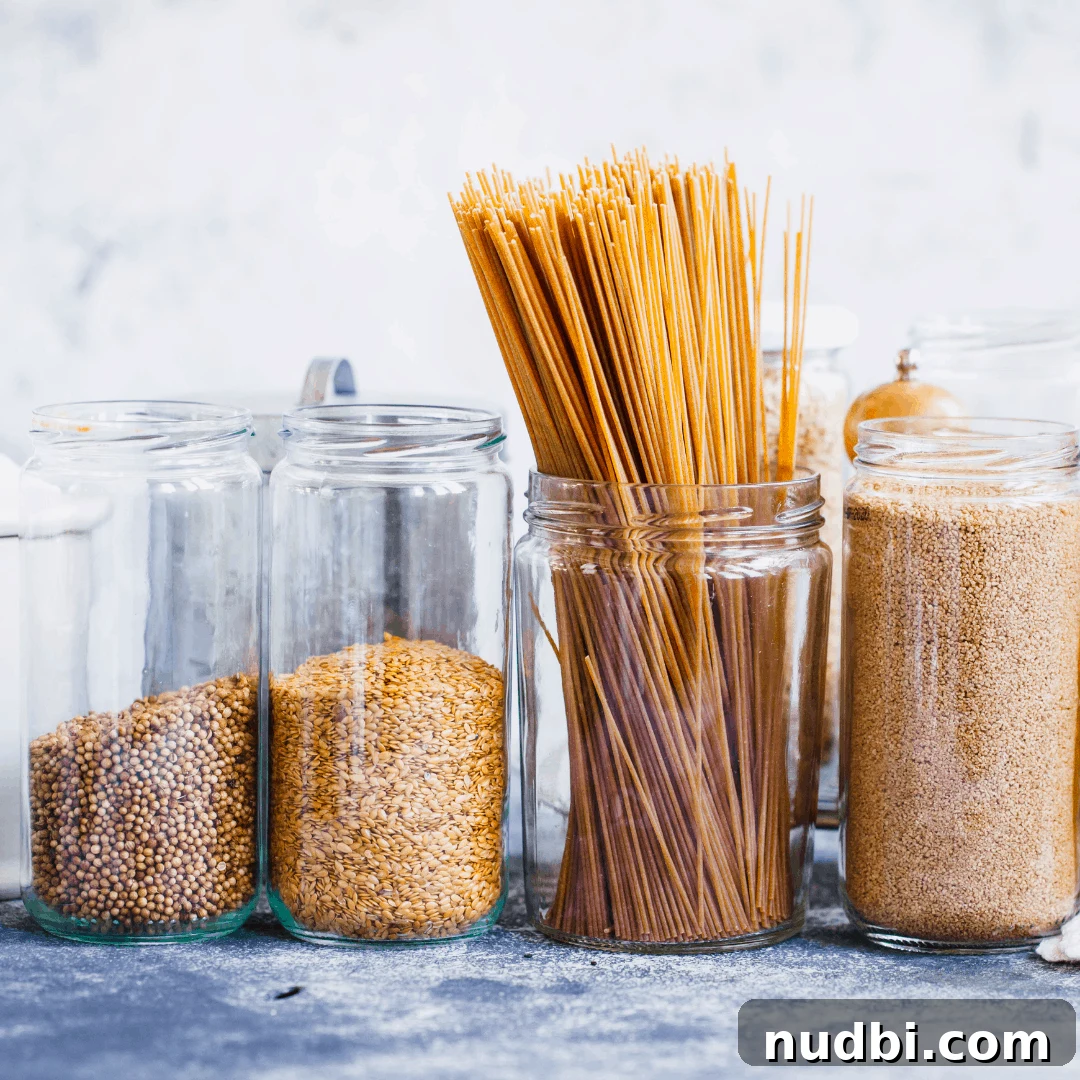
Are you often confused about what “whole grains” truly mean for your diet? Perhaps you’ve heard conflicting advice, even suggesting that all grains should be avoided for optimal health. Worry no more! This comprehensive guide, crafted with insights from a registered dietitian, is designed to demystify whole grains, highlight their incredible health benefits, and provide practical tips for seamlessly integrating them into your family’s meals. Get ready to transform your understanding of grains and unlock a world of delicious, nutritious possibilities.
In the vast landscape of nutrition, whole grains consistently stand out as a cornerstone of a healthy lifestyle. However, despite their acclaimed importance, many people remain uncertain about what constitutes a “whole grain” and how to identify them amidst the myriad of options at the grocery store. This uncertainty can make it challenging for families to ensure they are reaping the full spectrum of nutritional advantages that whole grains offer.
Understanding whole grains is more straightforward than you might think, and the benefits they bring to your family’s health are truly remarkable. Let’s dive into the essential knowledge you need to confidently choose and enjoy whole grains every day.
Decoding “Whole”: What Defines a Whole Grain?
The term “whole grain” is wonderfully literal: it refers to the grain kernel in its entirety, with all its natural components perfectly intact. A grain kernel is comprised of three distinct parts, each playing a crucial role in its nutritional profile:
- The Bran: This is the hard, outer layer of the kernel, acting as its protective shell. It’s an exceptional source of fiber, B vitamins, and various minerals, as well as powerful antioxidants.
- The Germ: Located at the kernel’s core, the germ is the embryo that has the potential to sprout into a new plant. It’s packed with B vitamins, vitamin E, healthy unsaturated fats, and an array of antioxidants and phytochemicals.
- The Endosperm: The largest part of the kernel, the endosperm provides the primary food supply for the germ. It primarily consists of carbohydrates in the form of starch, along with some protein and small amounts of vitamins and minerals.
Crucially, for a grain to be classified as “whole,” all three of these components—the bran, germ, and endosperm—must be present in their original proportions after processing. In stark contrast, refined grains undergo a milling process that strips away the bran and the germ. While this process gives refined grains a finer texture and extends their shelf life, it unfortunately removes the vast majority of their dietary fiber, healthy fats, antioxidants, and many essential B vitamins and minerals. What remains is primarily the starchy endosperm, offering far fewer nutritional benefits.
The Unmatched Power of Whole Grains: A Nutritional Deep Dive
Whole grains are celebrated as nutritional powerhouses precisely because they retain all their natural components. This makes them significantly superior to refined grains in terms of nutrient density and health benefits. Here’s why whole grains truly stand out:
- Rich in Dietary Fiber: Whole grains are an excellent source of both soluble and insoluble fiber. Insoluble fiber promotes digestive health, aids in regular bowel movements, and helps prevent constipation. Soluble fiber, on the other hand, can help lower harmful LDL cholesterol levels, stabilize blood sugar by slowing glucose absorption, and contribute to a feeling of fullness, which is beneficial for weight management.
- Abundant in Protein: While often overlooked, whole grains contribute a respectable amount of plant-based protein, vital for muscle repair, growth, and overall bodily functions. Combining them with other protein sources creates a well-rounded meal.
- Packed with Essential Vitamins: They are a rich reservoir of B vitamins (including niacin, thiamine, riboflavin, and folate), which are critical for energy metabolism, brain function, and nerve health. Additionally, whole grains provide vitamin E, a potent antioxidant that protects cells from damage.
- Loaded with Minerals: Key minerals like iron (essential for oxygen transport), magnesium (important for muscle and nerve function, blood sugar control), zinc (crucial for immune function), and selenium (an antioxidant) are found in significant quantities in whole grains.
- Powerful Antioxidants and Phytochemicals: Beyond the well-known vitamins and minerals, whole grains contain a diverse array of antioxidants and phytochemicals, such as lignans and phenolic compounds. These compounds combat oxidative stress and inflammation, playing a protective role against chronic diseases.
The scientific community has extensively researched the profound impact of whole grains on long-term health. A diet consistently rich in whole grains is strongly associated with a reduced risk of various chronic conditions, including heart disease (by lowering cholesterol and blood pressure), Type 2 diabetes (by improving insulin sensitivity and blood sugar control), and certain types of cancer (particularly colorectal cancer, due to fiber’s role in gut health). Furthermore, their ability to promote satiety and regulate blood sugar makes them a valuable ally in maintaining a healthy body weight.
How Much is Enough? Whole Grain Recommendations for Families
For children and adults alike, the general guideline is to make at least half of your daily grain intake whole grains. This means if your family consumes, for example, six servings of grains per day, at least three of those should come from whole grain sources. This recommendation emphasizes balance and practicality, acknowledging that preferences and dietary needs vary.
It’s perfectly fine if your child enjoys a classic peanut butter and jelly sandwich on white bread occasionally. The key is to balance it out throughout the day. You could serve brown rice with dinner, offer whole wheat crackers or a bowl of oatmeal for a snack, or choose whole grain pasta for lunch. Small, consistent choices throughout the day add up to significant health benefits over time. For adults, aiming for around 3-5 servings of whole grains per day is a good target, with a single serving often being a slice of whole wheat bread, half a cup of cooked brown rice or oatmeal, or a cup of whole grain cereal.
Your Comprehensive Guide to Whole Grains in the Kitchen
The world of whole grains is diverse and delicious! Incorporating them into your home cooking and baking is easier than you think. Here are some fantastic whole grains to explore:
- Brown Rice: A staple in many cuisines, brown rice boasts a chewier texture and nutty flavor compared to white rice, along with double the fiber and more nutrients. It’s incredibly versatile, perfect for stir-fries, pilafs, salads, and as a hearty side dish. Try it in these Savory Chicken & Rice Muffins.
- Bulgur: Made from cracked wheat kernels that have been partially cooked and dried, bulgur is a quick-cooking grain with a distinct, slightly chewy texture. It’s a cornerstone of Middle Eastern dishes like tabbouleh and a fantastic, hearty addition to soups, stews, and salads.
- Farro: An ancient grain with a rich history, farro offers a satisfying, chewy texture and a nutty flavor. It’s high in protein and fiber, making it a filling and nutritious choice. Use it as a hearty alternative to rice in bowls, risottos, or as a robust side dish alongside roasted vegetables.
- Millet: Often associated with birdseed, this small, round yellow grain is a gluten-free wonder for human consumption! Millet has a mild, slightly sweet flavor and can be cooked to a fluffy consistency like rice or a creamy texture similar to polenta. Add uncooked millet to granola for crunch, or incorporate it into muffin and bread recipes.
- Oats: All forms of oats—quick, old-fashioned, or steel-cut—are whole grains. They are renowned for their soluble fiber, beta-glucan, which is excellent for heart health and cholesterol reduction. Oats are incredibly versatile, perfect for breakfast porridges, baking, smoothies, or even savory dishes. These Coco Banana Overnight Oats offer a sweet, convenient way to enjoy them.
- Whole Corn: Yes, popcorn is indeed a whole grain snack, provided it’s air-popped or prepared with minimal oil and seasonings! Beyond popcorn, fresh corn on the cob, whole corn kernels, and even corn tortillas made from whole corn masa are excellent whole grain choices.
- Whole Wheat: This term refers to the grain kernel that includes the bran, germ, and endosperm. Swapping whole wheat flour for white flour in baking significantly boosts the fiber and nutrient content of anything from pancakes to bread. Make a batch of these Whole Wheat Banana Crunch Pancakes for a delicious, fiber-rich start to your day. Look for whole wheat pasta, whole wheat bread, and whole wheat tortillas.
- Whole Wheat Couscous: Unlike its refined counterpart, whole wheat couscous retains the nutritional benefits of the entire wheat kernel. It’s a fantastic source of fiber and iron and cooks incredibly quickly. It makes a light, fluffy side dish or an excellent base for salads. Here’s a recipe to try: Middle Eastern Broccoli & Dried Apricot Couscous Salad.
- Quinoa: Though technically a seed, quinoa functions as a whole grain and is celebrated as a complete protein, containing all nine essential amino acids. It’s also naturally gluten-free. Its fluffy texture and mild, nutty flavor make it perfect for salads, side dishes, or as a breakfast bowl.
- Barley: A wonderfully hearty and chewy grain, barley is particularly rich in soluble fiber (beta-glucan), known for its cholesterol-lowering properties. It’s excellent in soups, stews, and as a pearl-barley alternative in risottos or grain salads.
Cracking the Code: Reading Food Labels for Whole Grains
Navigating grocery store aisles can be tricky, as food manufacturers often use misleading terms. To confidently identify true whole grain products, always check the ingredient list:
- Look for the word “Whole”: The most important rule is that a “whole” grain should be the first ingredient listed. For example, look for “whole wheat flour,” “whole oats,” or “whole rye.”
- Beware of Misleading Terms: Phrases like “multi-grain,” “seven-grain,” “stoned wheat,” or “100% wheat” do NOT necessarily mean the product is whole grain. These terms often refer to the number of different grains or types of wheat used, but they might all be refined.
- “Wheat Flour” is Refined: Understand that “wheat flour” by itself refers to white, refined flour from which the bran and germ have been removed. It is not whole wheat flour.
- Check for the Whole Grains Council Stamp: Many products in North America feature a stamp from the Whole Grains Council, which certifies the product contains a significant amount of whole grains. A “100% Whole Grain” stamp indicates that all grain ingredients are whole grains, while a “Whole Grain” stamp means it contains at least half a serving of whole grains per serving.
- Fiber Content: While not a definitive indicator on its own, a higher fiber content per serving is generally a good sign that a product contains more whole grains.
Kid-Friendly Strategies: Making Whole Grains a Family Favorite
It’s common for children (and sometimes adults!) to initially prefer the lighter color and milder flavor of white flour, white rice, and other refined grains. Don’t be discouraged! The journey to embracing whole grains is often a gradual one, and consistency, creativity, and patience are your best tools. Remember, a mix of both is perfectly acceptable as you transition. Here are some effective strategies to help your family enjoy whole grains:
- The “Blend” Approach: Start by mixing whole grains with their refined counterparts. For example, make a batch of “zebra pasta” by combining half white pasta with half whole wheat pasta. The familiar texture of the white pasta can help ease the introduction of the whole wheat. Similarly, for rice, start with a 75/25 white to brown rice ratio, gradually increasing the brown rice over time.
- Visual Appeal with Familiarity: Make food fun! Create a “checkerboard sandwich” using one slice of white bread and one slice of whole wheat. Cut them into squares and alternate the colors to create an engaging pattern. This makes the whole wheat less intimidating.
- Seek Out Milder Whole Grain Options: Some whole grains have a less assertive flavor and lighter color, making them more palatable for sensitive palates. Look for whole grain oat bread, for instance, which often has a milder taste and softer texture than traditional whole wheat bread, yet still delivers all the whole grain benefits. White whole wheat flour is another excellent option (see below).
- Smart Swaps in Baking: When baking, you don’t have to go 100% whole wheat immediately. Start by swapping one-third of your white flour for whole wheat flour. You can gradually increase this ratio as your family adapts. For an even smoother transition, try white whole wheat flour; it’s made from a different type of wheat (white spring wheat) that results in a lighter color and milder flavor, making it nearly indistinguishable from all-purpose flour in many recipes. Whole wheat pastry flour is another fantastic substitute, particularly for tender baked goods like muffins and cakes, as it has a lower protein content than regular whole wheat flour. Remember to slightly increase liquid in recipes when using whole wheat flour, as it absorbs more moisture.
- Involve Kids in the Process: Let your children help choose which whole grains to try or assist with simple cooking tasks. Kids are often more willing to eat something they’ve had a hand in preparing.
- Offer, Don’t Force: Continuously offer whole grain options without pressure. It can take multiple exposures for a child to accept a new food. Present them in different ways and textures.
- Lead by Example: Children are keen observers. When they see you enjoying whole grains regularly, they are more likely to try them themselves.
Incorporating whole grains into your family’s diet is a powerful step towards improved health and well-being. With a little knowledge and some creative culinary approaches, you can make these nutritional superstars a beloved part of your everyday meals, ensuring a healthier future for everyone at your table.