
Disclaimer: This post is sponsored by the National Watermelon Promotion Board. All opinions are our own.

The dawn of a new year often sparks a renewed commitment to fitness, with gyms bustling, activewear advertisements abundant, and the mantra “New Year, New You” echoing everywhere. However, the pursuit of a healthier, more active lifestyle isn’t confined to January resolutions; it’s a year-round journey for many. Whether you prefer the structured environment of a gym, the convenience of a home workout, or the invigorating embrace of the outdoors, one fundamental element remains consistently crucial for both peak performance and efficient recovery: proper hydration.
Hydration isn’t merely about quenching your thirst; it’s a strategic pillar of your fitness regimen. Maintaining optimal fluid levels before, during, and after any physical activity ensures your body functions at its best, preventing fatigue and aiding in the vital recovery process post-workout. Beyond just drinking water, the foods you incorporate into your diet also play an incredibly significant role in keeping you adequately hydrated. In our family, an active lifestyle is a given, from intense tennis matches under the Florida sun to demanding dance and gymnastics sessions. Through experience, we’ve learned that neglecting proper hydration, whether through insufficient water intake or a lack of hydrating foods, directly impacts our energy levels and overall well-being.

The Indispensable Role of Hydration in Exercise
Water is the very essence of life, making up a significant portion of our body weight and playing a pivotal role in countless physiological processes. For individuals engaging in physical activity, its importance is amplified. When we exercise, our bodies generate heat, and to regulate core temperature, we sweat. This natural cooling mechanism, while essential, leads to fluid loss, and if not replenished, can quickly result in dehydration. Even a mild degree of dehydration can have profound effects, manifesting as a noticeable drop in energy levels, increased feelings of fatigue, and a general decline in physical and mental performance.
Muscles, which are approximately 75% water, are particularly sensitive to dehydration. A deficit in fluid can compromise muscle function, leading to premature muscle fatigue, reduced strength, and the dreaded muscle cramps that can bring a workout to an abrupt halt. Furthermore, proper hydration is critical for transporting nutrients to your cells, lubricating joints, and maintaining blood volume, which is necessary for efficient oxygen delivery to working muscles. Beyond physical symptoms, dehydration can also impair cognitive functions such as focus, concentration, and coordination, which are vital for safety and effectiveness during any workout, especially activities like running or hiking where vigilance is key. Recognizing the signs of dehydration early – thirst, dry mouth, reduced urine output, lightheadedness, or dizziness – is crucial for immediate action and preventing more severe complications.
Water Versus Sports Drinks: What’s Best for Your Workout Hydration?
To ensure our muscles remain dynamic and fatigue is kept at bay, a proactive approach to fluid intake is non-negotiable. Drinking plenty of fluids and consuming hydrating foods before, during, and after your workout forms the cornerstone of effective hydration. For most individuals and typical workouts, plain water is undoubtedly the best choice for staying hydrated. It’s readily available, calorie-free, and perfectly capable of replenishing the fluids lost through sweat.
However, the marketplace is awash with sports drinks, often marketed as essential for refueling and rehydrating during or after exercise, primarily due to their electrolyte content. Electrolytes such as sodium, potassium, and magnesium are minerals that carry an electric charge and are vital for numerous bodily functions, including nerve impulse transmission, muscle contraction, and maintaining fluid balance. We lose these electrolytes through sweat, particularly during prolonged or intense workouts in hot and humid conditions. While sports drinks can provide both fluids and electrolytes, they often come with added sugars, artificial colors, and flavors that may be unnecessary for many exercisers. Our registered dietitian offers valuable insights on when sports drinks might be beneficial and what to consider before reaching for a bottle, emphasizing that for moderate activity, water and a balanced diet are usually sufficient to replenish lost electrolytes and fluids.

Unlocking the Hydrating and Nutritional Power of Watermelon
While water remains paramount, incorporating hydrating foods into your diet can significantly bolster your fluid intake and provide additional nutritional benefits. Among these, watermelon stands out as an exceptional choice for active individuals. As its name suggests, watermelon is incredibly rich in water, boasting an impressive 92% water content. This high water percentage makes it incredibly effective at rehydrating the body, contributing to satiety, and helping to maintain critical fluid balance necessary for all bodily functions, especially during and after exercise.
But watermelon offers far more than just hydration. It’s a nutrient-dense fruit packed with essential vitamins and minerals crucial for overall health and athletic performance. It’s an excellent source of Vitamin A, which supports healthy vision and immune function, and Vitamin C, a potent antioxidant that helps protect cells from damage caused by free radicals generated during exercise and aids in collagen production for tissue repair. Watermelon also provides a good dose of Vitamin B6, vital for protein metabolism and energy production, ensuring your body can effectively utilize the fuel it consumes.
Beyond vitamins, watermelon is rich in key electrolytes and minerals. It’s a natural source of potassium, an electrolyte critical for maintaining fluid balance, nerve signals, and muscle contractions, making it invaluable for preventing muscle cramps. Magnesium, another vital mineral found in watermelon, supports muscle and nerve function, blood sugar control, and blood pressure regulation. Thiamin, a B vitamin, is essential for converting carbohydrates into energy, while phosphorus plays a role in bone health and energy storage. Moreover, watermelon is famous for its lycopene content, a powerful antioxidant that gives the fruit its red color and offers significant anti-inflammatory benefits, potentially aiding in muscle recovery and reducing post-workout soreness.
Perhaps one of watermelon’s most compelling attributes for fitness enthusiasts is its citrulline content. This amino acid is converted to arginine in the body, which then aids in the production of nitric oxide. Nitric oxide helps relax and widen blood vessels, potentially improving blood flow and oxygen delivery to muscles, which can enhance exercise performance and reduce recovery time by facilitating the removal of metabolic waste products. This makes watermelon an ideal pre-workout energy booster and a post-workout recovery aid.
The versatility of watermelon makes it easy to incorporate into your daily routine. Enjoy it fresh, cubed, or sliced as a refreshing snack. Blend it into a vibrant juice, or combine frozen watermelon with other fruits for a delicious and nutritious smoothie. You can even infuse water with watermelon chunks for a naturally flavored, hydrating drink. Whether you’re aiming to hydrate, boost nutrient intake, or support recovery, watermelon is a delicious and highly effective choice.
Practical Ways to Integrate Watermelon into Your Hydration Strategy
Making watermelon a regular part of your hydration and nutrition plan is simple and enjoyable. Consider these practical tips:
- Pre-Workout Fuel: Enjoy a bowl of fresh watermelon chunks about an hour before your workout. Its high water content and natural sugars provide quick hydration and a readily available energy source without feeling heavy.
- Post-Workout Recovery: After your exercise session, your body needs to replenish fluids, electrolytes, and glycogen stores. Watermelon is perfect for this. Its natural sugars help restore glycogen, while its potassium and other electrolytes aid in fluid balance. Combine it with a source of protein for optimal muscle repair.
- Hydrating Snacks: Keep pre-cut watermelon in your fridge for easy access. It’s a fantastic, low-calorie snack that keeps you feeling full and hydrated throughout the day, not just around workouts.
- Watermelon-Infused Water: For a refreshing twist on plain water, add watermelon cubes, mint leaves, and a slice of lime to your water bottle. This naturally flavored drink can encourage greater fluid intake.
- Year-Round Enjoyment: While often associated with summer, watermelon is available year-round. Don’t limit its hydrating benefits to just warm weather.
To inspire your hydration journey, here are 10 tasty and revitalizing watermelon drink ideas that are perfect for any time of day, whether you’re gearing up for a workout, cooling down, or simply enjoying a healthy treat:
10 Hydrating Watermelon Drinks
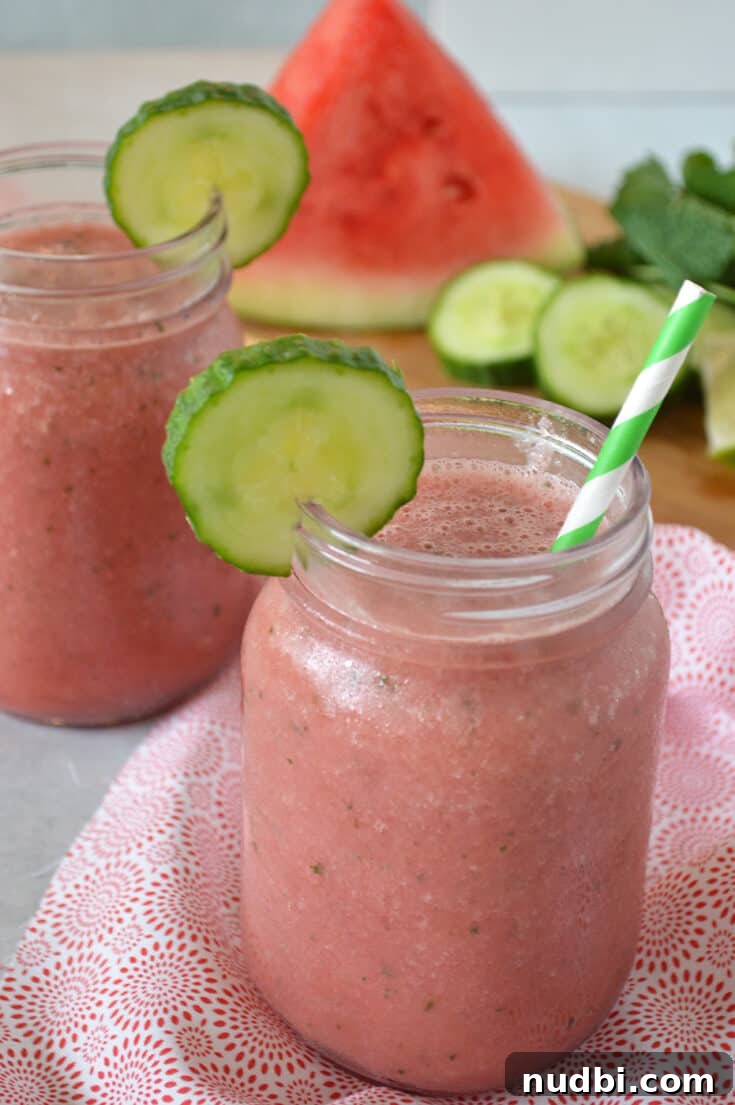
Watermelon Cucumber Smoothie
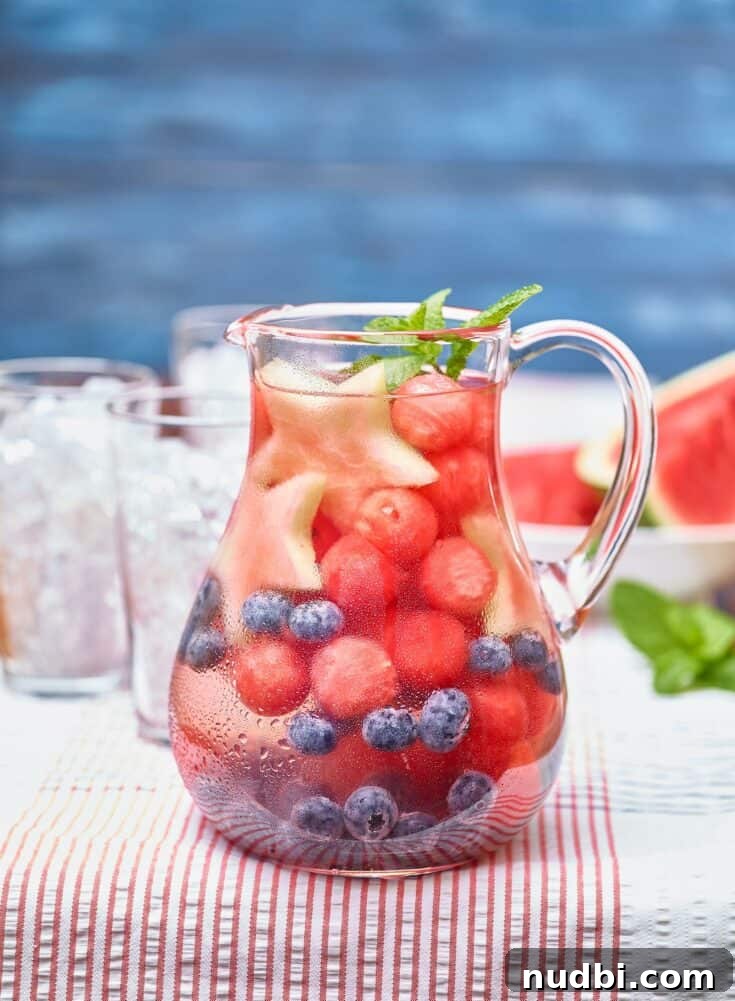
Watermelon Infused Water
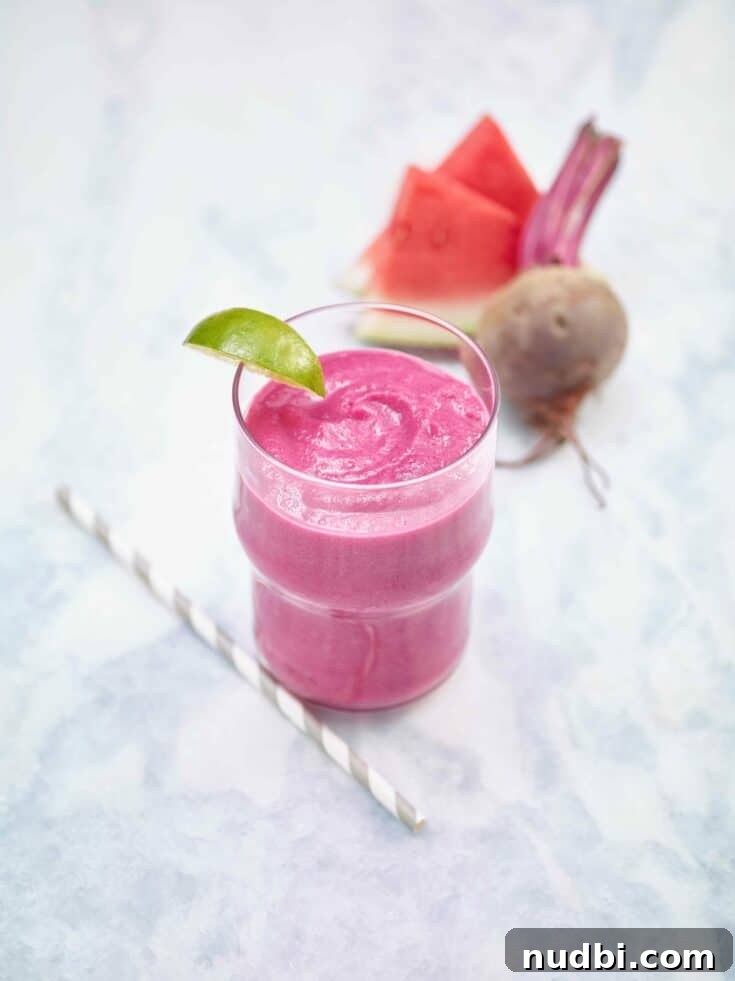
Watermelon Beet Post Workout Smoothie
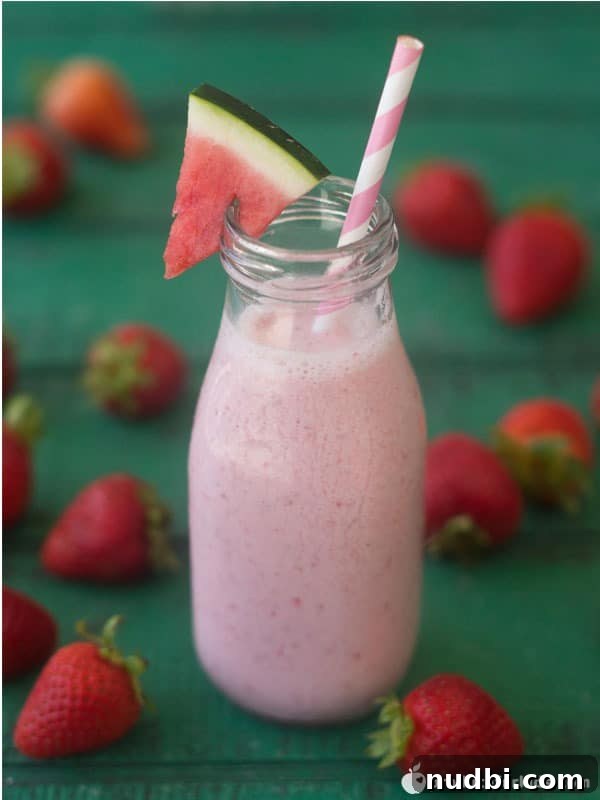
Kid-Friendly Fruit Smoothie
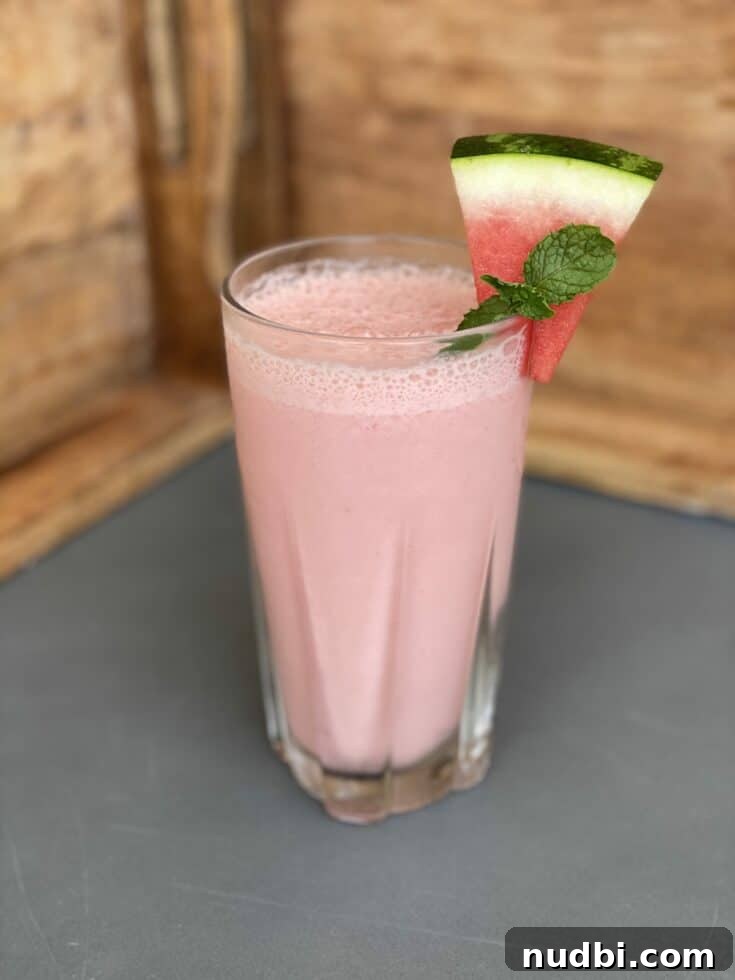
Watermelon Yogurt Smoothie
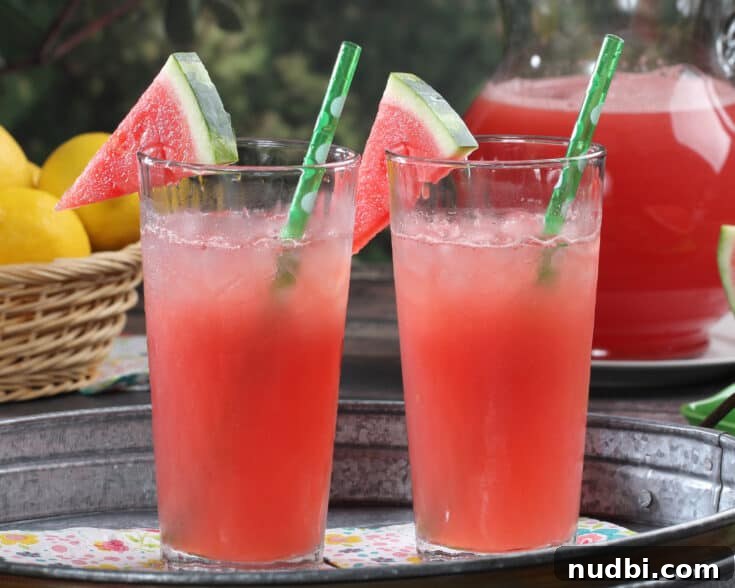
Refreshing Watermelon Cooler
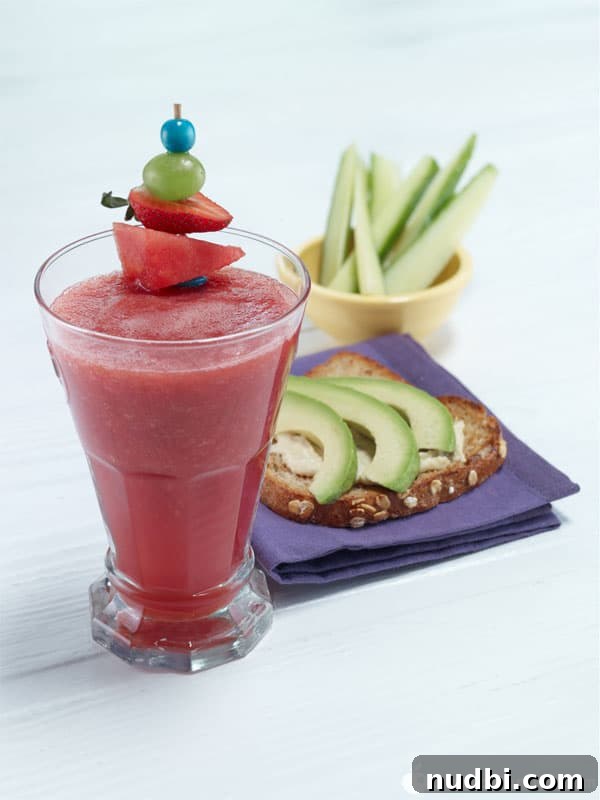
Splash of Fun Fruit Smoothie

Watermelon Green Tea
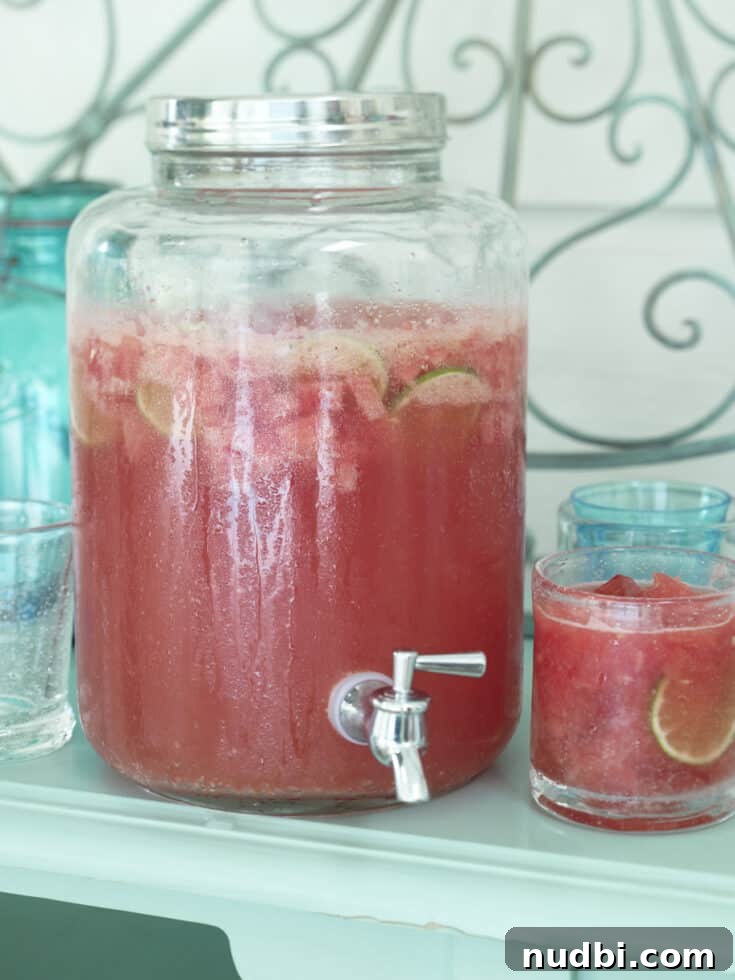
Watermelon Agua Fresca
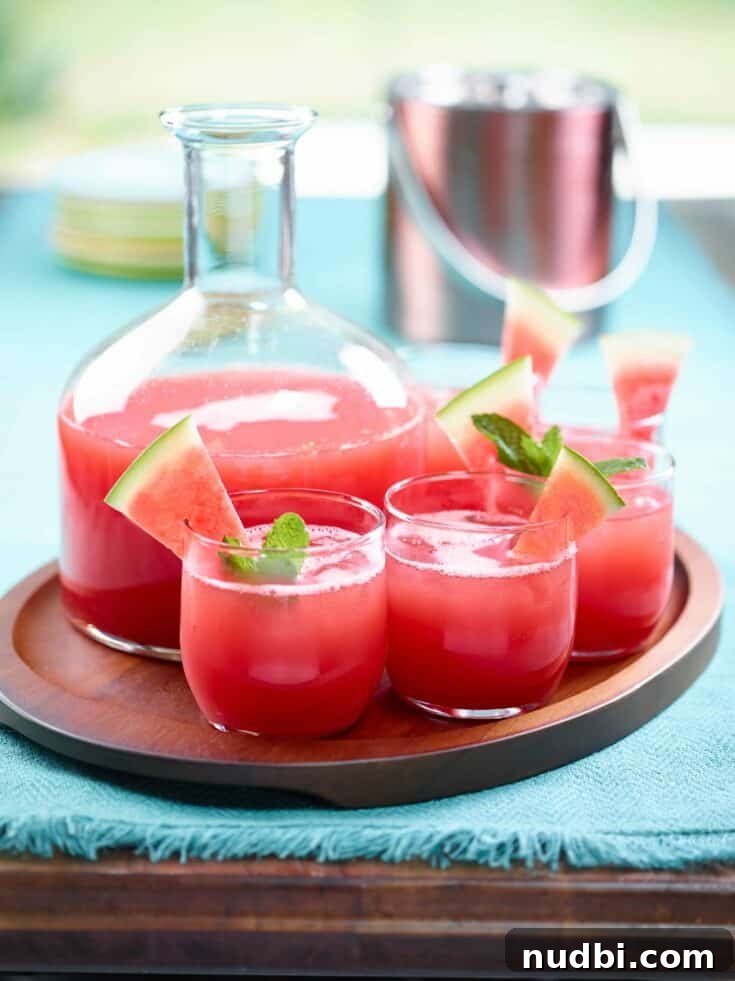
Watermelon Juice
Embracing a comprehensive hydration strategy, with watermelon as a delicious and nutrient-rich component, is key to maximizing your workout potential and supporting your body’s overall health. Don’t underestimate the power of proper fluid balance – it’s a fundamental step toward achieving your fitness goals and fostering a vibrant, active lifestyle. Prioritize hydration, make smart food choices, and enjoy the sweet rewards of a well-nourished body.