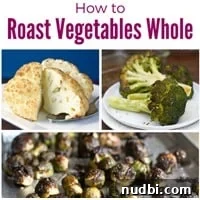
Mastering the Art of Whole Roasted Vegetables: A Flavorful Journey
Embarking on a culinary journey often leads to unexpected discoveries that redefine our perceptions of food. For me, that pivotal moment arrived about a decade ago when I first experimented with roasting cauliflower. It wasn’t just a new cooking method; it was a revelation that completely transformed my appreciation for this humble cruciferous vegetable. Before then, I liked cauliflower well enough, but roasting elevated it to an entirely new level. The florets emerged from the oven perfectly al dente, never mushy, adorned with delightful pockets of sweet, caramelized browning that added an irresistible depth of flavor. I honestly believed it couldn’t get any better than that.
Then, a few months ago, I stumbled upon another game-changer: roasting an entire head of cauliflower whole. No breaking it down into florets, no intricate chopping. Just the magnificent, untouched head, placed directly into a pan and into the oven. The result was nothing short of astonishing. This method takes everything you love about roasted cauliflower and amplifies it, delivering a truly spectacular dish that will impress both your palate and your dinner guests.
Why Whole Roasting Vegetables Will Change Your Kitchen Life
The magic of whole-roasted cauliflower, and indeed many other vegetables, lies in the extended cooking time required for the heat to thoroughly penetrate to the center. This prolonged exposure to heat on the exterior allows for an incredible caramelization process to occur, creating those coveted sweet, browned spots that are packed with flavor. While the outside develops a beautifully crisp and richly browned exterior, the inside transforms into a wonderfully soft, almost buttery texture. It’s a contrast that makes every bite an experience.
Beyond its unparalleled taste, whole-roasted cauliflower is also a visual masterpiece. Serving it whole, then slicing it into elegant wedges at the table with a cake server, adds a touch of culinary sophistication that is surprisingly simple to achieve. It’s not just food; it’s an edible centerpiece.
But the benefits of roasting vegetables whole extend far beyond just cauliflower. This technique unlocks incredible flavors and textures in a wide array of produce. In every instance, you can expect a beautifully browned and slightly crisp exterior complemented by a tender, soft, and naturally sweet interior. An often-overlooked bonus of this method is the minimal preparation time it demands. Who wouldn’t appreciate a cooking technique that delivers gourmet results with less effort in the kitchen? It’s the ultimate hack for busy home cooks who refuse to compromise on flavor or presentation.
The Maillard reaction, a chemical process responsible for the browning and enhanced flavor in many foods, is on full display when vegetables are roasted whole. The longer cooking time at higher temperatures allows this reaction to develop more intensely, creating complex, savory, and sweet notes that are simply not achievable with quicker cooking methods. This deep flavor development, combined with the textural contrast, makes whole roasting a superior choice for many vegetables.
Furthermore, whole roasting tends to lock in more moisture and nutrients compared to chopping vegetables into smaller pieces, which can lead to more surface area exposure and potential drying out. By keeping the vegetable intact, you create a natural barrier that helps steam and cook the interior gently while the exterior crisps to perfection. This makes for a healthier and more flavorful outcome.
To learn the detailed steps on how to roast cauliflower whole and achieve this culinary masterpiece, head over here for a comprehensive guide.
Mastering the Method: How to Roast Vegetables Whole
While specific temperatures and times will vary slightly depending on the type and size of the vegetable, the fundamental steps for whole roasting remain consistent. The key is to prepare your vegetable minimally, season it generously, and allow the oven to do its magnificent work.
- Preparation is Key: Begin by thoroughly washing your chosen vegetable. Pat it completely dry with a kitchen towel or paper towels. Excess moisture can hinder browning and result in a steamed rather than roasted texture. For vegetables like cauliflower or broccoli, remove any tough outer leaves but keep the main stalk intact if possible. For root vegetables, a good scrub is often enough, though some prefer to peel carrots or squash for aesthetic reasons.
- Season Liberally: Drizzle your vegetable generously with a good quality olive oil. The oil helps conduct heat, promotes browning, and allows seasonings to adhere. Sprinkle with salt and freshly ground black pepper. Don’t be shy with the seasoning; a whole vegetable can handle a good amount. You can also add other herbs and spices like garlic powder, onion powder, paprika, rosemary, or thyme to complement the vegetable’s natural flavors.
- Choose the Right Pan: Use a sturdy baking sheet or roasting pan that is large enough to comfortably hold the vegetable without overcrowding. This ensures even heat distribution and proper air circulation, which is crucial for browning. For easier cleanup, you can line the pan with parchment paper.
- Oven Temperature and Time: Preheat your oven to a relatively high temperature, typically between 375°F and 450°F (190°C to 230°C). The exact temperature and roasting time will depend on the vegetable’s density and size. The general rule of thumb is to roast until the exterior is deeply browned and caramelized, and the interior is tender when pierced with a knife or fork.
- Monitor and Flip (Optional): For very large or irregularly shaped vegetables, you might want to flip them halfway through the cooking process to ensure even browning on all sides. However, for many vegetables, such as a head of cauliflower, placing it cut-side down initially or simply leaving it untouched often yields excellent results.
- Rest Before Serving: Once roasted, remove the vegetable from the oven and let it rest for a few minutes before slicing or serving. This allows the internal juices to redistribute, resulting in a more tender and flavorful outcome.
With these simple guidelines, you’re well-equipped to transform an ordinary meal into an extraordinary culinary experience. This method truly highlights the natural deliciousness of fresh produce, making vegetables the star of any plate.
My Favorite Vegetables to Roast Whole: A Detailed Guide
While cauliflower certainly steals the show, it’s far from the only vegetable that shines when roasted whole. This versatile technique works wonders with a variety of veggies, each developing its own unique character and irresistible charm. Here are some of my top recommendations, complete with specific tips and temperatures to help you achieve perfection:
- Asparagus: This elegant spear transforms beautifully with whole roasting. Simply snap off the tough, woody ends – they’ll naturally break where the tender part begins. Place the spears in a single layer on a baking pan. Drizzle generously with olive oil, then season with salt and pepper. Roast at a brisk 400ºF (200ºC) for 10-15 minutes. The exact time depends on the thickness of your asparagus; thinner spears will cook faster. You’re looking for a vibrant green color and tender-crisp texture with slight browning. Roasting brings out their natural sweetness and a subtle nutty flavor. Here’s a nice little recipe for a parmesan version that elevates it even further.
- Broccoli: Similar to cauliflower, roasting a whole head of broccoli is a revelation. The florets, which are naturally more exposed, develop a delightful char and crispness, becoming incredibly flavorful and almost sweet. Meanwhile, the denser stalks become wonderfully soft and tender, absorbing all the delicious seasonings. Prepare by removing any tough outer leaves, but keep the main stalk mostly intact. Drizzle with olive oil, salt, and pepper. Roast at 400ºF (200ºC) for approximately 35 minutes, or until the florets are slightly singed and the stalk is easily pierced with a fork. This method ensures every part of the broccoli is utilized and enjoyed. Find out how to prepare broccoli for roasting whole over here for a detailed guide.
- Brussels Sprouts: These miniature cabbages are perhaps one of the most popular vegetables for roasting, and for good reason. Roasting them whole intensifies their flavor and gives them an incredible texture. Trim off the very ends of the sprouts and remove any loose or discolored outer leaves. Toss them liberally with olive oil, salt, and pepper. For best results, roast at a slightly higher temperature of 425ºF (220ºC) for about 40 minutes. This higher heat ensures a beautifully crisp exterior and a tender, creamy interior, with the natural bitterness mellowed into a delightful sweetness. They are truly addictive this way. Get all the information you need here to master whole roasted Brussels sprouts.
- Carrots: Whole roasted carrots are a vibrant and incredibly flavorful side dish. Peeling is optional; a good scrub is often sufficient, especially for organic carrots where the skin adds nutrients. Toss them with olive oil, salt, pepper, and perhaps a touch of honey or maple syrup to enhance their natural sweetness. Roast at 400ºF (200ºC) for 30-40 minutes, depending on their thickness. They should emerge tender on the inside and slightly caramelized on the outside, with their earthy sweetness concentrated and deeply satisfying. For a twist, you can even roast them with a sprinkle of cumin or thyme. For this version, they’re split in half lengthwise first, which speeds up cooking and increases browning surface.
- Green Beans: Much like asparagus, green beans benefit immensely from a quick, high-heat roast. Their vibrant color and crisp texture are preserved, while their flavor becomes more intense and slightly sweet. Simply trim off the tips, toss them with olive oil, salt, and pepper. Spread them in a single layer on a baking sheet and roast at 400ºF (200ºC) for about 15 minutes. They should be tender-crisp with some blistered spots. This method is incredibly simple yet yields impressively delicious results, making them a perfect last-minute side dish. Try this version with capers and lemon for an extra burst of zesty flavor.
- Winter Squash: While technically not roasted “whole” in the exact sense (you do need to cut them open), roasting winter squash halves is incredibly easy and far less labor-intensive than peeling and cubing. This method works beautifully for varieties like butternut and acorn squashes. Simply cut them in half lengthwise, scoop out the seeds, and place them cut-side down in a baking pan. Drizzle the cut side with olive oil, salt, and pepper. Bake at 350ºF (175ºC) until they are fork-tender, which usually takes about 45-60 minutes depending on the size. The flesh becomes incredibly creamy and sweet, perfect for scooping out and mashing, or even filling with other ingredients. Here’s a nice recipe where a fresh salad goes into the cavities at the end, making it a complete meal.
- Zucchini and Summer Squash: These tender summer favorites are fantastic when given the whole roasting treatment. Unlike their denser winter cousins, they cook relatively quickly and develop a lovely caramelized exterior while staying juicy inside. Trim off the ends, rub each squash generously with olive oil, and season with salt and pepper. Roast at a high heat of 450ºF (230ºC) for about 15 minutes, or until the outside is beautifully browned and the inside is soft and tender. The intense heat prevents them from becoming watery, instead concentrating their mild flavor into something truly special.
As you can see, there truly are an abundance of vegetables that can be transformed into simple yet profoundly delicious dishes using this whole roasting method. It’s a technique that prioritizes ease, flavor, and visual appeal, making it a staple in any kitchen.
I encourage you to experiment with different vegetables from your local market. What are some that you’ve already tried and loved using this method, or which ones are you excited to try next? Share your experiences and discoveries – the world of whole roasted vegetables is vast and endlessly rewarding!