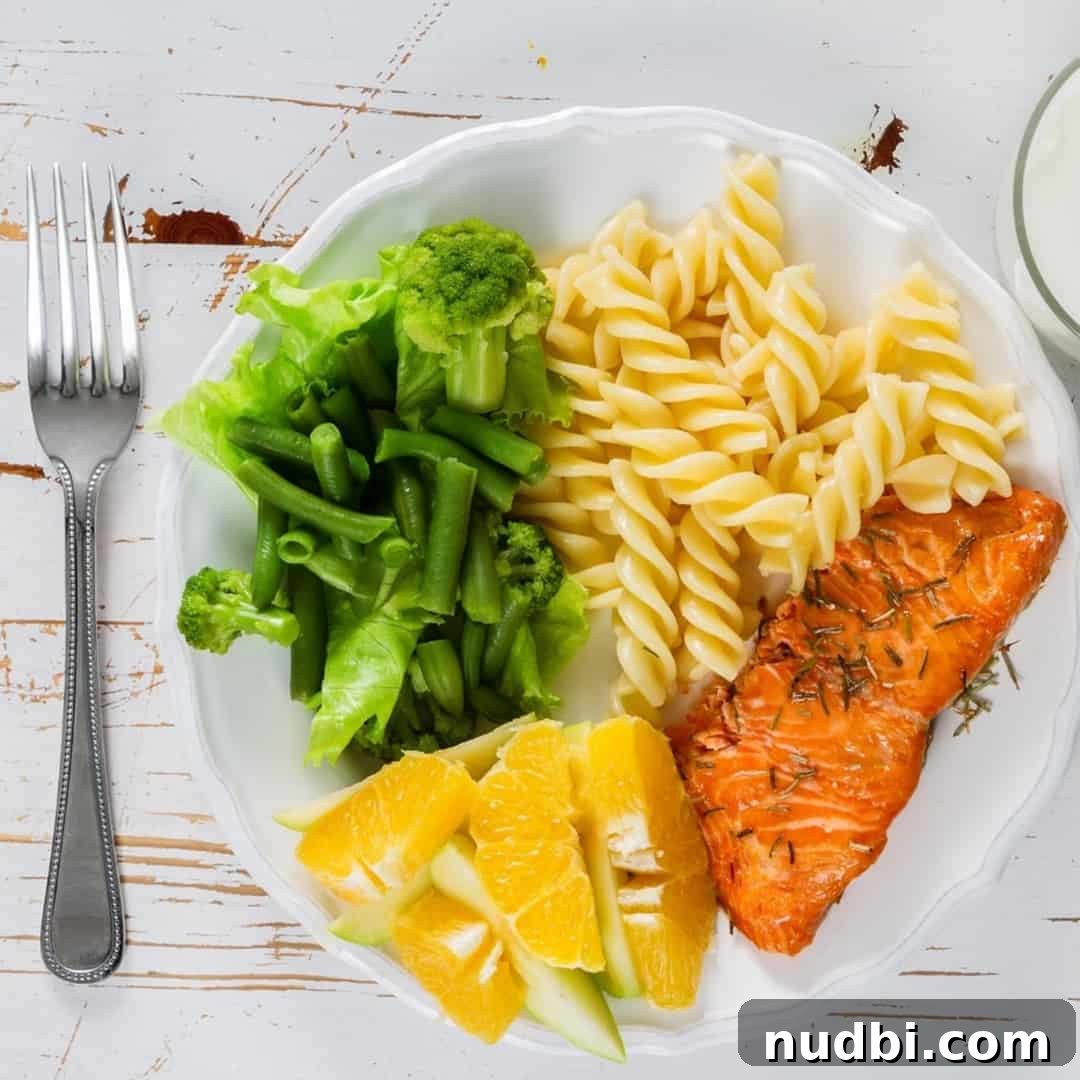
In an ongoing collaboration, we’ve partnered with Julie Harrington, a highly respected registered dietitian and culinary nutrition chef, to bring you a monthly series dedicated to exploring the profound influence of food on our overall well-being. This insightful series aims to equip families with practical, evidence-based strategies for fostering healthier eating habits and strengthening family bonds through the shared experience of meals.

September proudly marks Family Meals Month, an annual initiative that champions the simple yet profound act of sharing meals with loved ones. There’s no better time to reinforce this crucial practice than in September, as families across the globe transition back into their vibrant, often demanding school and activity routines. Amidst the hustle and bustle, dedicated family mealtime serves as an anchor, offering a precious opportunity to slow down, reconnect, and collectively cultivate enduring healthy eating habits.
Regardless of whether children are attending school in person or engaging in virtual learning, the core principle remains consistent: the immense value of sharing meals as a family unit. This deliberate act transcends mere sustenance; it creates a vital space for genuine connection, fostering open communication, mutual understanding, and the development of positive relationships with food that can last a lifetime. It’s a time to share stories, discuss the day’s events, and simply enjoy each other’s company, building a foundation of strength and unity.
Extensive research conducted by organizations like the FMI Foundation consistently highlights the myriad positive benefits associated with frequent family meals. A landmark study, for instance, revealed two particularly compelling findings:
- Family Meals Significantly Improve Fruit and Vegetable Consumption: Overwhelming evidence from numerous studies points to a strong, positive correlation between the frequency of family meals and the intake of fruits and vegetables. This relationship holds true when examining fruit and vegetable consumption separately, and even more so when considering their combined intake. Regular exposure to diverse produce during family mealtimes helps children become more accustomed to and accepting of healthy foods, gradually reducing picky eating habits and encouraging a broader palate.
- Family Meals Enhance Overall Family Functioning: Nearly all studies included in comprehensive systematic reviews and meta-analyses consistently demonstrate a positive link between the frequency of family meals and various measures of family functioning. This encompasses critical aspects such as family connectedness, where bonds are strengthened; improved communication, fostering an environment where thoughts and feelings are openly shared; increased expressiveness, allowing family members to articulate their emotions; and enhanced problem-solving skills, as families learn to navigate challenges and make decisions collaboratively. These interactions build resilience and create a supportive home environment.
It’s important to acknowledge that every family operates uniquely. Not all families eat in the same manner, at the same precise time, or even consume the exact same meals. While the ideal scenario often involves everyone gathering around a single table for a shared meal, this isn’t always feasible, and that’s perfectly fine. The essence of family meals lies in the shared experience and connection, not in rigid adherence to tradition.
If sitting at the table isn’t possible due to conflicting schedules, embrace creativity and find alternative ways to share a meal. Are you constantly chauffeuring your children to various extracurricular activities? Consider packing a nutritious dinner and enjoying a casual picnic at the park after soccer practice. Or, if you have a brief window before dance class, seek out a quiet bench to share a quick, wholesome meal. The goal is to create meaningful moments together, even if they don’t fit the conventional dinner-table stereotype. Prioritize connection over perfection, and remember that flexibility is key to making family meals a sustainable and enjoyable part of your routine.
Crafting the Ideal Balanced Plate: A Fresh Perspective
For too long, the typical American diet has centered meat as the undeniable star of the main meal, often relegating fruits and vegetables to mere sidekick status. It’s time to fundamentally shift this paradigm. We encourage you to “flip the script” and empower fruits and vegetables to take the lead role in creating truly balanced and nourishing plates. By doing so, you unlock a wealth of essential nutrients, fiber, and antioxidants that are vital for robust health.
Visualize a basic balanced plate, much like the one illustrated below: your plate should be visually divided, with at least half dedicated to an abundant array of colorful fruits and vibrant vegetables. These plant-based powerhouses are packed with vitamins, minerals, and dietary fiber, crucial for digestion and overall vitality. A quarter of the plate should then be allocated to starchy vegetables or, preferably, whole grains. Whole grains offer sustained energy and additional fiber, helping you feel fuller for longer. The final quarter of the plate should comprise a lean protein source, essential for muscle repair, growth, and satiety.
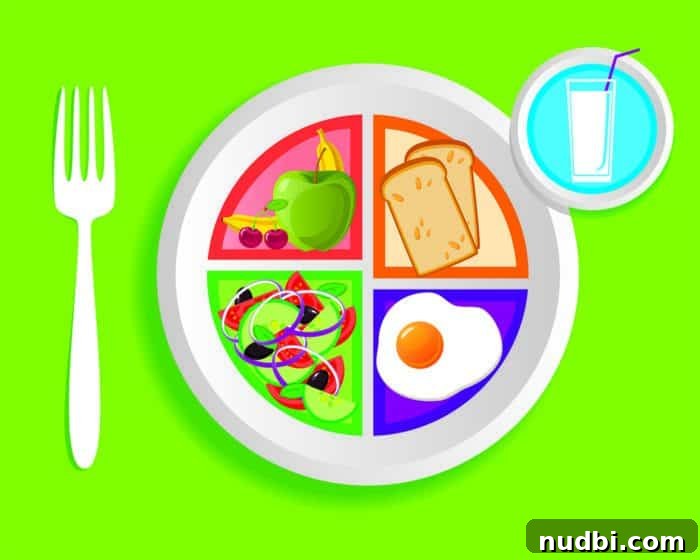
When you embark on the journey of building these balanced plates for your family, please release yourself from the pressure of meticulously preparing every single component from scratch. In today’s fast-paced world, convenience is a valuable ally. It is perfectly acceptable—and often highly practical—to lean on readily available, wholesome ingredients. Don’t hesitate to incorporate frozen vegetables, which are picked at peak ripeness and retain their nutritional value, or utilize pre-cooked grains like quinoa or brown rice. A pre-roasted rotisserie chicken can be a fantastic time-saver, providing a lean protein base in minutes.
We are all perpetually pressed for time, navigating busy schedules and countless commitments. Therefore, actively seeking out and utilizing time-saving shortcuts is not a sign of cutting corners, but rather a smart strategy for sustainable healthy eating. The overarching goal is simply to assemble a balanced plate that nourishes your family, and how you achieve that balance, whether through fresh ingredients or smart convenience items, is secondary to the nutritional outcome.
Furthermore, avoid the common pitfall of attempting a complete overhaul of your dinner menu overnight. Introducing an entirely new repertoire of dishes can often lead to resistance, especially from children. Instead, adopt a strategy of “lateral shifts.” This involves making subtle, healthy modifications to the foods and meals your family already enjoys and is accustomed to. By gradually transforming these familiar favorites into more balanced options, you’re far more likely to achieve long-term success and foster genuine acceptance without creating unnecessary mealtime battles.
Pasta Night: A Healthier Twist
Transform your classic pasta night into a nutrient-packed meal with these simple modifications:
- Boost Veggies and Protein: Seamlessly mix in pureed lentils or finely chopped vegetables like spinach, carrots, or bell peppers into your beef or turkey meatballs. This is an excellent way to add fiber and nutrients without altering the texture too much.
- Introduce a Fresh Side: Always complement your pasta with a vibrant side salad. Experiment with different greens, nuts, seeds, and light vinaigrettes to keep things interesting.
- Go Half-and-Half: Replace half of your traditional spaghetti with zucchini noodles (zoodles). This significantly reduces the carb count while boosting vegetable intake.
Mac & Cheese: Elevated Comfort
Elevate this family favorite by sneaking in extra nutrients and improving its overall nutritional profile:
- Hidden Veggie Power: Puree cooked butternut squash or cauliflower into the cheesy sauce mixture. It adds a creamy texture and a nutritional punch without being detected.
- Protein and Fiber Boost: Stir in some canned beans (like cannellini or navy beans) for added protein and fiber, making the meal more satisfying.
- Mini Florets for Fun: Add small broccoli or cauliflower florets directly into the pasta during the last few minutes of cooking for a visible vegetable component.
- Whole Grain Advantage: Opt for whole wheat pasta instead of refined white pasta to increase fiber content and promote better digestion.
Burger & Fries: A Healthier Makeover
Give your burger and fries combo a nutritious upgrade that everyone will love:
- Veggie-Packed Patties: Incorporate finely chopped veggies like mushrooms, bell peppers, or onions into your ground meat mixture for added moisture, flavor, and nutrients.
- Plant-Based Alternatives: Explore delicious alternatives! Try a grilled portobello mushroom cap in place of meat, or choose from a variety of tasty veggie burgers available on the market.
- Baked, Not Fried: Ditch the deep fryer and oven-bake your fries for a significantly healthier option. You can also get creative by using alternative vegetables besides potatoes, such as crispy zucchini fries or sweet potato wedges.
Demystifying Appropriate Portion Sizes for Children
Understanding and managing appropriate portion sizes for children can often feel like a guessing game for parents. Young appetites fluctuate, and what constitutes a “healthy” serving can be confusing. To help demystify this, the chart below, thoughtfully compiled with information from reputable sources such as the Academy of Nutrition and Dietetics and the American Academy of Pediatrics, outlines recommended serving sizes and daily needs for various food groups specifically tailored for children.
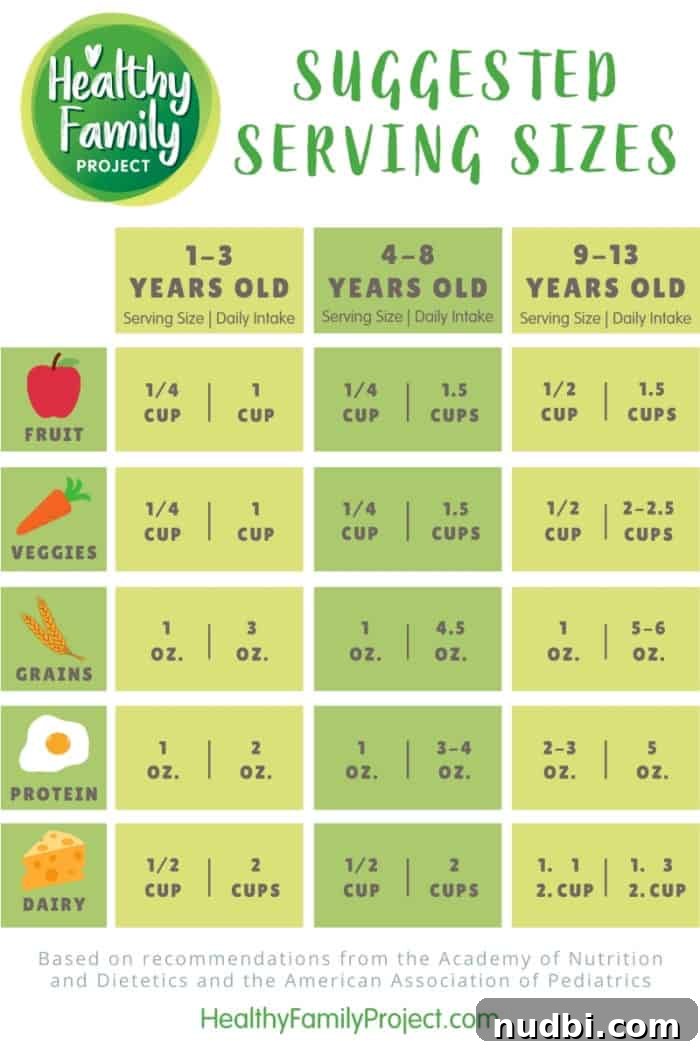
While these precise serving size recommendations provide an excellent benchmark, we certainly don’t expect—or even encourage—parents and children to meticulously measure every single food item. Life is busy, and strict measurement can make mealtimes feel less enjoyable and more like a chore. Instead, the most practical approach is to become familiar with intuitive “portion size guesstimating” tools that are always at your disposal: your own hands! This simple, visual method allows for flexible and personalized portion control that adapts as your child grows.
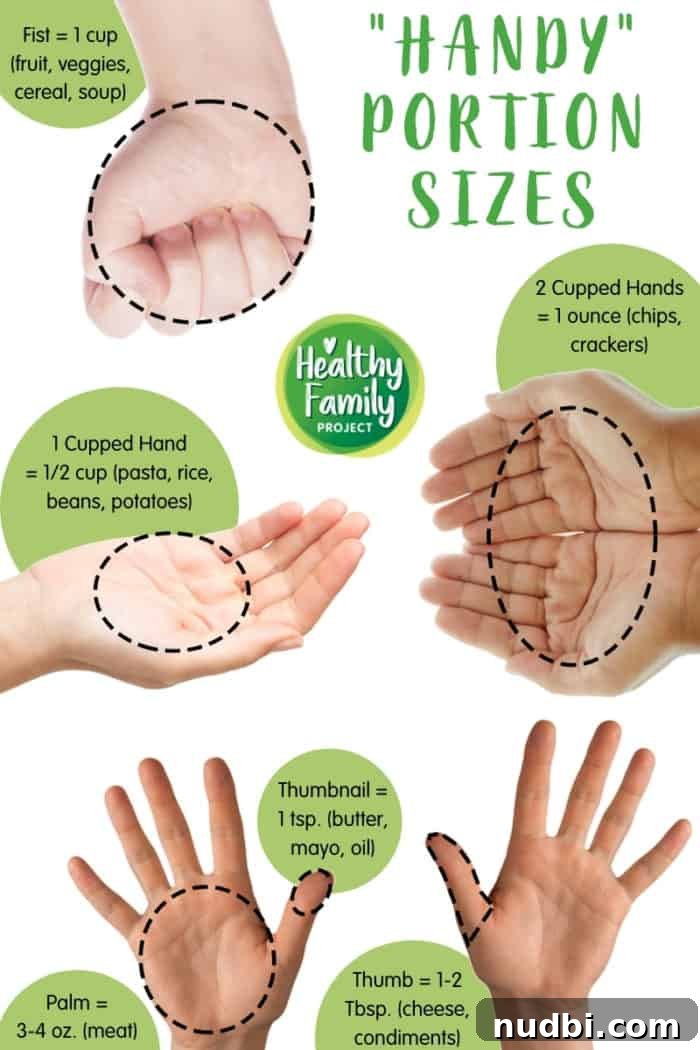
For instance, a child’s palm can roughly represent a serving of protein, a cupped hand can indicate a serving of grains or pasta, and a clenched fist is a good visual for fruits and vegetables. These estimations are dynamic, naturally adjusting with your child’s growth, making them an incredibly convenient and non-stressful way to monitor intake. Remember that children are often excellent at self-regulating their hunger, so offer a variety of healthy foods and trust their internal cues.
To ensure these invaluable visual guides are always at your fingertips, download and print them out. You can easily hang them on your refrigerator for quick, everyday reference, empowering your family with practical tools for healthy eating.
Are you frequently on the lookout for innovative and effortless mealtime ideas that don’t compromise on nutrition or flavor? We understand the challenge of preparing delicious and wholesome meals when time is a precious commodity. To help streamline your kitchen routine and inject fresh inspiration into your weekly menu, explore these highly beneficial posts, each packed with recipes designed for busy families:
- 23 Quick & Easy Sheet Pan Dinners: Perfect for minimal cleanup and maximum flavor, these meals cook everything on one tray.
- 50+ Easy Dinners Ready in 30 Minutes or Less: Ideal for those hectic weeknights when you need a speedy solution.
- 25 Healthy One-Pot Meals: Simplify your cooking and dishwashing with these convenient, all-in-one recipes.
- 30 Instant Pot Recipes: Harness the power of your Instant Pot for quick, flavorful, and effortless meals.
- 5 Ways to Use Shredded Chicken for Easy Meals: Discover versatile ways to utilize pre-cooked shredded chicken to create diverse dishes throughout the week.
Disclaimer: Before implementing any significant health or dietary modifications, it is imperative to consult with your medical doctor or a qualified healthcare professional. The information shared as part of the Food Rx series is intended for educational and informative purposes only and should not be considered a substitute for personalized medical advice from your physician. Your health and well-being are paramount, and professional guidance ensures that any changes are appropriate for your individual needs.