
Summer is a magical time for children, a season of freedom, discovery, and boundless energy. But for parents, the prospect of managing 8-10 weeks of unstructured time can sometimes feel daunting. How do you keep kids engaged, learning, and entertained without succumbing to endless screen time or constant cries of “I’m bored”?
We’ve tapped into the wisdom of Jennifer Adriani, a seasoned educator with over two decades of teaching experience and a devoted mother of two. Jennifer shares her invaluable insights and practical strategies for transforming summer break from a parental challenge into an opportunity for memorable family experiences and personal growth. Her approach emphasizes collaboration, creativity, and a touch of kindness, ensuring that summer isn’t just about passing time, but about truly making it count for everyone.

Crafting an Unforgettable Summer: Engaging Kids in Planning Their Break
Summer break represents a unique opportunity for families to create lasting memories, explore new interests, and strengthen bonds. Instead of shouldering the entire burden of planning, Jennifer Adriani advocates for an inclusive approach, where children actively participate in shaping their summer experience. This not only lightens the parental load but also instills a sense of ownership and excitement in the kids.
According to Jennifer, involving children in summer planning is crucial. “When kids help plan, they’re more invested,” she explains. “It’s not just about telling them what we’re doing; it’s about building anticipation and giving them a voice.” This collaborative method is centered around two engaging activities: creating a “Summer Bucket List” and developing a “Random Acts of Kindness List.” These traditions aren’t just fun; they serve as a framework for a balanced and meaningful summer.

Building Excitement: How to Create a Summer Bucket List
The summer bucket list is more than just a collection of activities; it’s a visual representation of your family’s summer aspirations. Jennifer suggests aiming for 5-10 achievable items that your child genuinely wants to experience. The beauty of this list lies in its flexibility and the sheer joy of ticking off each completed adventure.
Start the process early, even during spring break, by encouraging your children to jot down any new or interesting ideas they encounter. Post the list in a prominent place – the refrigerator, a family whiteboard, or a dedicated corkboard – and make it a weekly goal to tackle one or two items. The act of physically crossing off an activity provides a tangible sense of accomplishment and builds momentum for the rest of the summer. While the goal is to accomplish everything, don’t stress if a few items roll over to fall or winter breaks; the memories made are what truly matter.
Inspiring Summer Bucket List Ideas:
- Plan a Sleepover: Whether it’s with cousins, friends, or even a living room “campout” with siblings, a sleepover always feels like a special event. Let the kids help plan the menu, movies, and games for an extra layer of fun.
- Host a Movie Night: This classic can be enjoyed at home with cozy blankets and homemade popcorn, or elevate the experience by checking out local theaters. Many cinemas offer free or cheap movie showings over the summer, providing an affordable outing.
- Visit Your Favorite Ice Cream Shop: A simple pleasure that never gets old. Turn it into an adventure by trying a new flavor or a shop you’ve never visited before.
- Make Homemade Ice Cream: The process itself is an exciting culinary experiment! Try a no-churn recipe for simplicity. This Sweetpotato Chocolate Ice Cream is a fantastic, healthier option that kids will love.
- Bake Kid-Friendly Treats: Research easy recipes online that allow kids to take the lead with minimal supervision. Cookies, cupcakes, or muffins are always a hit. These Chocolate Chip Banana Oatmeal Cookies are both delicious and relatively simple.
- Go Fly a Kite: Head to an open park or beach on a windy day. It’s a timeless activity that encourages outdoor play and offers beautiful skyward views.
- Set Up a Lemonade Stand: This classic entrepreneurial venture teaches kids about money, customer service, and community interaction. Let them decorate the stand and choose their own pricing.
- Go Skating: Whether it’s roller skating at a rink or ice skating indoors, it’s a fun way to get active and learn a new skill.
- Watch a Sunset or Sunrise: A moment of quiet beauty and reflection. Pack a picnic or hot chocolate and find a scenic spot to appreciate nature’s artistry.
- Attend a Baseball Game: You don’t need major league tickets. Support a local minor league, college, or even high school game for an authentic and often more intimate experience.
- Create Tie-Dye Shirts or Shorts: A vibrant and messy art project that results in unique, wearable souvenirs of summer.
- Go Bowling or Putt-Putt Golf: Friendly competition and laughs are guaranteed at either of these classic family entertainment venues.
- Enjoy Family Bike Rides: Explore new trails, discover hidden paths in your neighborhood, or simply enjoy a leisurely ride together.
- Go Geocaching: A modern-day treasure hunt using GPS coordinates. It’s an exciting way to explore local parks and trails.
- Make Homemade Popsicles: A refreshing and customizable treat. Experiment with fresh fruits and juices. These Watermelon Lemonade Popsicles are perfect for a hot day.
- Paint and Hide Rocks: Decorate rocks with colorful designs and hide them in public places for others to find, bringing a small burst of joy to strangers. It’s a community art project that’s gained popularity!
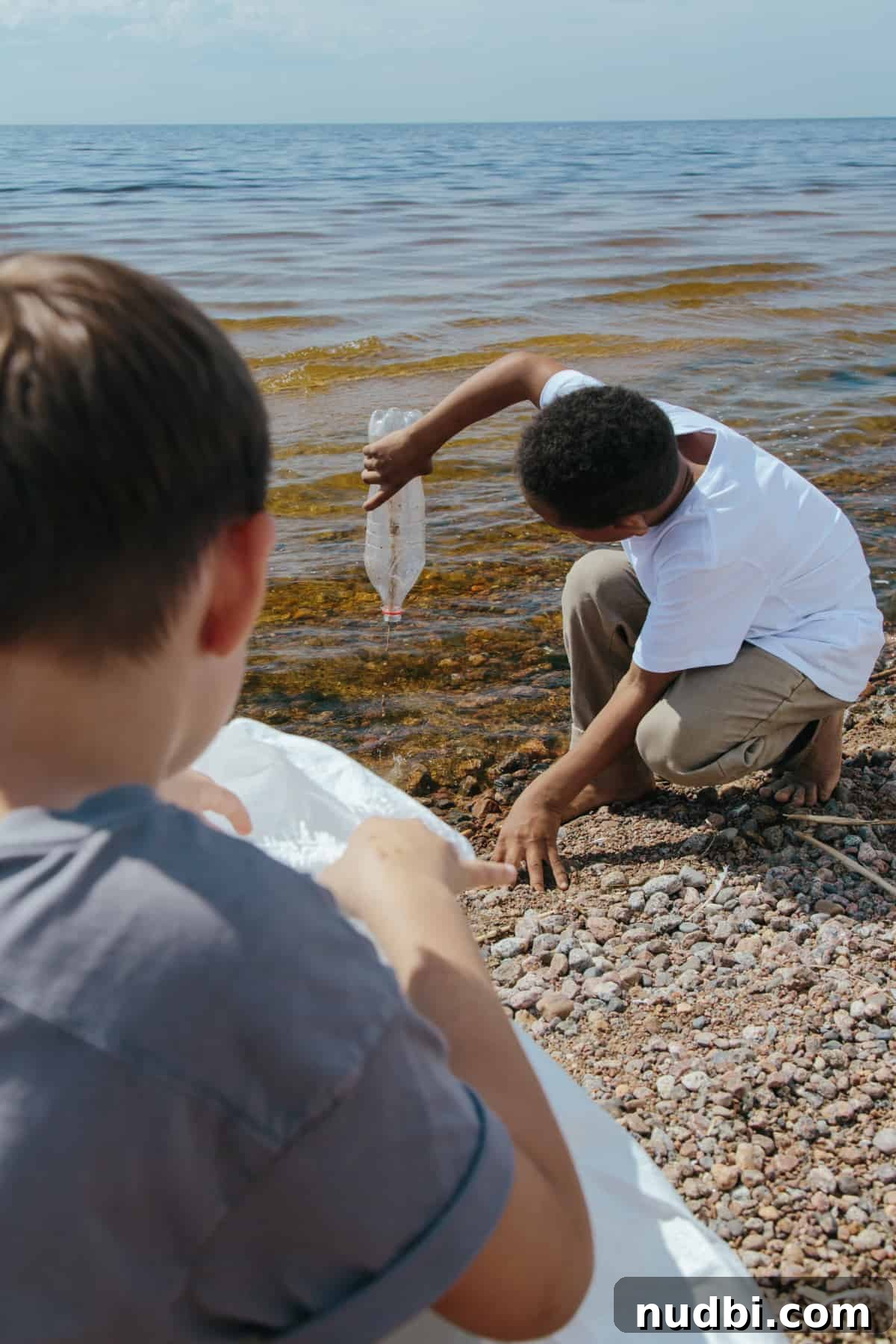
Cultivating Compassion: How to Create a Random Acts of Kindness List
Beyond personal enjoyment, Jennifer believes summer is an ideal time to instill the value of giving back. The Random Acts of Kindness list is designed to inspire children (and adults!) to make a positive impact on their community, fostering empathy and awareness of others’ needs. These acts don’t require significant financial outlay; the emphasis is on thoughtfulness and effort.
This list is typically a collection of 5-10 simple, yet impactful, actions aimed at bringing a smile to someone’s face. By engaging in these acts, children develop a deeper understanding of community and the powerful ripple effect of their actions. It’s a beautiful way to teach them that contributing to the well-being of others is just as rewarding, if not more so, than personal pursuits.
Meaningful Random Acts of Kindness Examples:
- Collect Shopping Carts in a Parking Lot: This simple gesture helps shoppers and store employees alike. Take it a step further by offering to take someone’s cart to the return while you’re out.
- Walk a Neighbor’s Dog: Offer your services to an elderly neighbor or someone who might need a helping hand with their pet.
- Send a Letter or Card to Family and Friends: In our digital age, receiving a handwritten note is a truly special and unexpected delight.
- Organize a Beach or Park Cleanup: Grab some gloves and trash bags and dedicate an hour to making a public space cleaner for everyone.
- Deliver Snacks to Local Heroes: Bake or buy some treats and deliver them to your local fire department, police station, or hospital staff. These Dark Chocolate Avocado Brownies are a thoughtful gesture!
- Mow a Neighbor’s Lawn: Especially helpful for neighbors who are elderly, ill, or simply away on vacation.
- Bring Up a Neighbor’s Trash Cans: A small act of service that can make a big difference, especially on windy days or for those with limited mobility.
- Conduct a Neighborhood Trash Cleanup: Similar to a park cleanup, focus on your immediate surroundings to improve your community’s appearance.
- Create Pictures or Cards for a Local Nursing Home: Brighten the day of residents with colorful artwork and heartfelt messages. Delivering them personally can be a powerful experience.
- Declutter and Donate Clothes and Toys: Teach children the joy of giving by sorting through their belongings and donating items they no longer need to those less fortunate.
- Collect School Supplies or Hygiene Items: Organize a drive to gather essential items and donate them to a local school or shelter, helping families prepare for the upcoming academic year.
- Leave a Thank You Note (and Snack) for Postal Service Workers: A small token of appreciation for those who work hard to deliver our mail every day.
Jennifer emphasizes that acts of kindness are incredibly fulfilling. “Kindness truly does the soul good,” she shares. “More often than not, my kids love working through this list as much as they do their summer bucket lists. It teaches them valuable life lessons about empathy and community.”
Beyond the Lists: Balancing Structure with Spontaneity
While the bucket and kindness lists provide a wonderful framework, a truly successful summer integrates these plans with ample room for spontaneity and unstructured play. It’s about finding a rhythm that works for your family, combining exciting outings with quiet days at home.
Consider incorporating a loose daily or weekly schedule. This doesn’t mean rigid adherence, but rather a gentle guide that ensures a balance of activities, downtime, and learning. Perhaps dedicated “bucket list days,” “kindness mornings,” or “creative afternoons.” Remember that children also thrive on boredom, which can spark imagination and independent play. Limit screen time to encourage outdoor exploration, reading, and imaginative games.
Summer is also a prime time to bridge the “summer slide”—the academic regression many students experience during the long break. Jennifer highlights that learning doesn’t have to be confined to textbooks. Many bucket list activities naturally incorporate educational elements, from the science of baking to the history of a local museum visit, or even the math involved in running a lemonade stand. Look for fun ways to keep those minds active without it feeling like schoolwork. Jennifer shares more brilliant ideas for keeping kids learning and engaged in her article on ways to have fun while ensuring kids are still learning. Bridging the summer gap certainly doesn’t have to happen indoors with workbooks!
Making Memories: Documenting Your Summer Adventures
As you embark on these summer adventures, don’t forget to capture the moments. Taking photos, keeping a summer journal, or even starting a simple scrapbook can turn your experiences into cherished memories. Let your children contribute by drawing pictures, writing about their favorite activities, or helping organize photos. This not only preserves the fun but also reinforces the sense of accomplishment from their bucket list and kindness endeavors.
Your Family’s Best Summer Yet
Planning summer break with your kids, guided by Jennifer Adriani’s wisdom, is about more than just filling time; it’s about enriching their lives, fostering independence, and creating a summer filled with purpose and joy. By involving them in creating a Summer Bucket List and a Random Acts of Kindness list, you’re not just scheduling activities; you’re teaching valuable life skills, cultivating empathy, and building a foundation for countless happy memories.
What are your go-to tips for planning summer break with kids? Do you involve them in the planning process, and if so, what strategies do you find most effective? Share your insights and help other parents create their best summer yet!
Getting ready for back to school season already? Don’t let the end of summer catch you unprepared! Head to our dedicated Back To School page for an abundance of lunchbox inspiration, essential parenting tips, healthy recipes, and so much more to ensure a smooth transition back into the academic routine.